
Dangote Acquires 25% Stake in Kenya’s Oil Pipeline Network, Plans Wider African Expansion
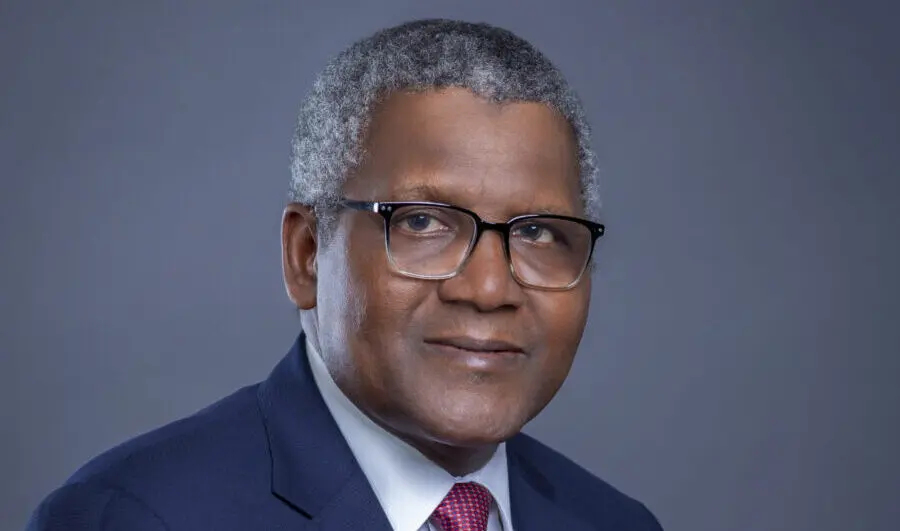
Nigerian billionaire and industrialist Aliko Dangote has announced that his group has acquired a 25 per cent stake in a petroleum products pipeline network in Kenya, as part of plans to expand its fuel distribution infrastructure across Africa.
Dangote disclosed the investment during a conversation with Financial Times Africa Editor David Pilling at the Financial Times Africa Summit 2026 in London, United Kingdom. He said the transaction was completed with support from the Kenyan President, although details of the deal were not disclosed in the report.
“Just let me tell you, yesterday, with the support from the President of Kenya, we bought 25 per cent of the pipeline network for the distribution of petroleum products,” Dangote said.
He added that the group was pursuing other petroleum distribution projects in Djibouti, Ethiopia, Cameroon and Namibia. The plans are intended to improve the storage, transportation and delivery of refined petroleum products across different African markets.
In East Africa, Dangote said the group was developing a distribution corridor linking Djibouti with Addis Ababa, Ethiopia’s capital, alongside tank farms for storing petroleum products. He also said a project in Cameroon was approaching completion, while Namibia was being considered as a strategic entry point into Southern African markets.
Dangote said refined products could be shipped from the group’s refinery in Lagos to Namibia before being distributed to neighbouring markets, including Botswana and South Africa. He also outlined plans for a wider distribution corridor through Zimbabwe and Zambia, although the report did not provide implementation timelines for the proposed network.
The expansion comes alongside the group’s proposal to build a refinery in Lamu, Kenya, with a planned capacity of about 700,000 barrels per day. Dangote said the proposed refinery would serve East Africa’s industrial and mining sectors, which require reliable supplies of diesel and other petroleum products. He added that the facility would source crude oil from multiple markets rather than depend solely on Kenya or Uganda.
Dangote said Lamu was selected after technical assessments of several possible locations, with deep-water access, marine facilities and adequate water resources among the key considerations. The report did not establish a construction timetable or confirm the project’s financing and regulatory approvals.
Beyond petroleum infrastructure, Dangote called on African governments to protect domestic industries from what he described as unfair foreign competition. He argued that excessive reliance on imported products could weaken local manufacturing and reduce employment opportunities. He also disclosed that his group had budgeted approximately $50 billion for investments between 2026 and 2030, describing industrialisation as a central goal of the expansion programme.