
Nigeria Confirms Ebola Case in Abuja as 44 Contacts Identified for Monitoring
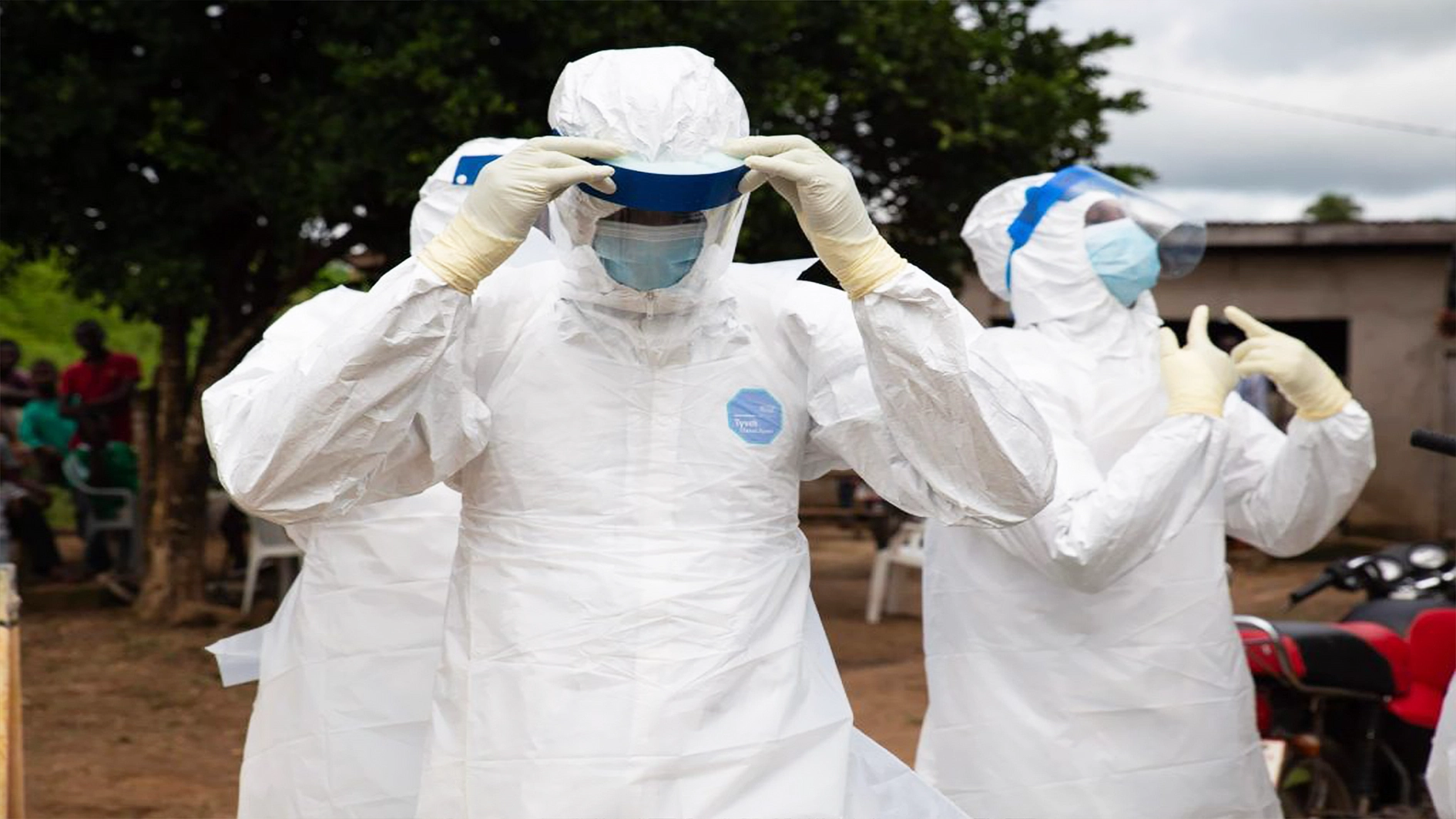
Nigeria’s Federal Government has confirmed an imported case of Ebola virus disease in the Federal Capital Territory (FCT), prompting contact tracing and heightened surveillance to prevent further transmission.
Coordinating Minister of Health and Social Welfare Muhammad Pate announced the confirmation on Tuesday during a media briefing in Abuja. He said laboratory tests confirmed the infection in a woman who had recently travelled to Nigeria from Uganda.
According to Pate, the patient returned to Nigeria on October 7 with symptoms that worsened four days later. She was admitted to a private hospital, where she received treatment before the Ebola diagnosis was confirmed.
The patient has since been placed in isolation and is receiving medical care, according to the government. Health authorities have begun contact tracing, with 44 contacts identified for monitoring as part of efforts to contain the infection.
Pate said the Federal Ministry of Health and Social Welfare, the FCT Health Secretariat, the Africa Centres for Disease Control and Prevention and other partners were coordinating the response. Surveillance is also being strengthened at Nigeria’s entry points to identify and respond to possible additional cases.
The minister urged public and private health facilities to remain alert and ensure that suspected cases are promptly assessed. He also appealed to Nigerians to remain calm, practise good hygiene and cooperate with public health officials. Symptoms associated with Ebola can include fever, headache, weakness, vomiting and diarrhoea, although these symptoms can also occur with other illnesses.
Nigeria’s announcement has drawn attention to the wider regional outbreak linked to the Bundibugyo virus in the Democratic Republic of the Congo (DRC). Kenya has also reported cases, with its health ministry announcing a ninth case on Tuesday. According to the report, all nine Kenyan cases belonged to a single known cluster, and eight surviving patients were responding well to supportive care.
Uganda’s health ministry, however, said the location where the Nigerian patient was exposed to the virus remained under investigation. It cautioned that travel through Uganda alone did not establish where the infection occurred and said more details about the woman’s itinerary and clinical history were needed. The Nigerian government said it was drawing on experience gained during the country’s 2014 Ebola response as it works with regional and international partners to contain the current case.