
Nigeria Wins UN Human Rights Council Seat as Jimoh Ibrahim Leads Budget Committee
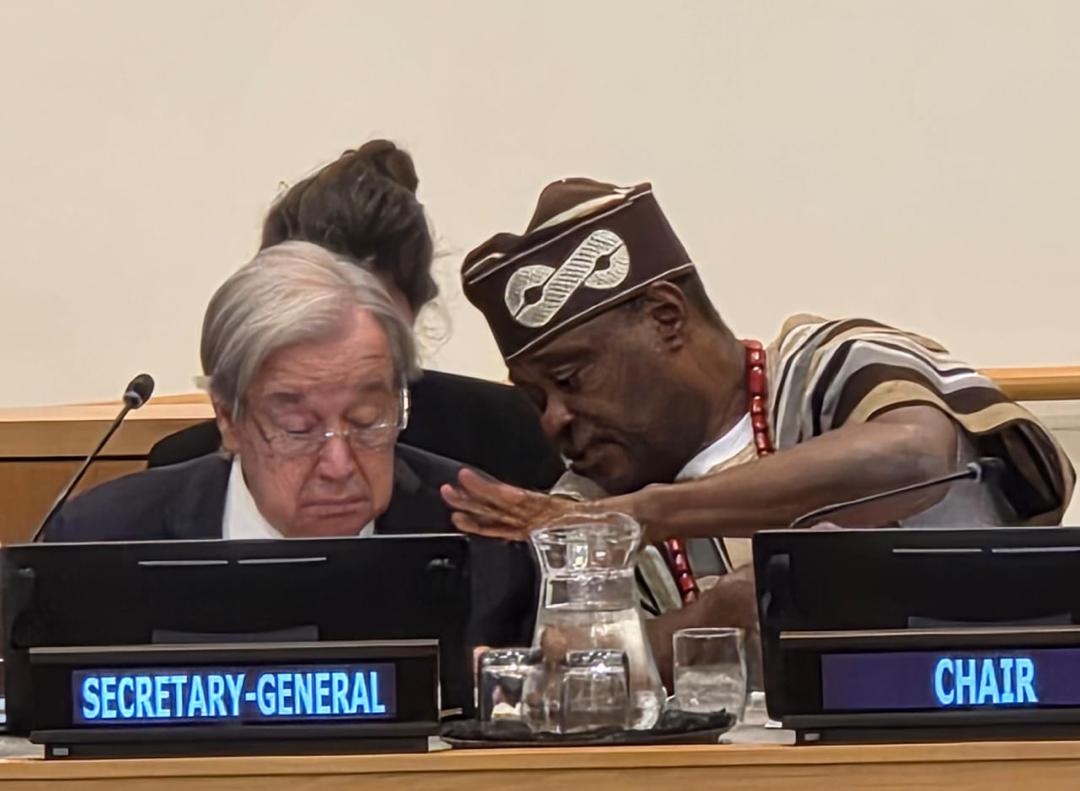
Nigeria has secured a three-year seat on the United Nations Human Rights Council, while Nigerian diplomat Dr Jimoh Ibrahim is chairing the General Assembly’s Fifth Committee as the UN considers a proposed $3.3 billion core budget for 2027.
Nigeria was among 15 countries elected to the 47-member Human Rights Council through a secret ballot. Its three-year term will begin on January 1, 2027. The country received 172 votes, while Zambia secured 177 votes and Ghana received 173. Burundi won the fourth seat allocated to African countries with 160 votes.
Nigeria’s election comes as Ibrahim leads discussions in the Fifth Committee on Administrative and Budgetary Matters, which examines the organisation’s financial requirements and administrative operations. UN Secretary-General António Guterres has proposed a core budget of $3.302 billion for 2027, covering 11,150 posts. When major construction projects in Nairobi and the Strategic Heritage Plan in Geneva are included, the total rises to $3.408 billion.
The proposed core budget is $40.8 million, or approximately 1.2 per cent, below the approved 2026 figure. It also includes $423 million for special political missions in 2027. Guterres congratulated Ibrahim on his appointment as committee chair, acknowledging the committee’s work with the Secretariat in advancing reforms and addressing administrative and budgetary challenges.
Much of the proposed spending framework is linked to the UN80 Initiative, which aims to reduce duplication, improve services and lower operating costs. Measures already introduced include consolidating payroll operations, launching shared administrative platforms in New York and Bangkok, and moving some functions to less expensive locations. The UN plans to extend these shared platforms to Geneva, Nairobi, Vienna and Addis Ababa.
The reforms have also involved staffing reductions. Guterres said 3,116 regular budget posts had been removed, while the Secretariat introduced a voluntary early separation programme and reassigned some employees to vacant positions to limit the impact on staff. The next phase includes 44 additional relocations across 12 UN entities, with Nairobi expected to receive the largest share. The budget also proposes abolishing or downgrading 14 senior-level posts to reduce management costs.
Despite the proposed cuts, the budget maintains funding for development programmes, disability inclusion, investigations relating to Afghanistan and upgrades to the UN’s internal systems. It also provides an additional $22 million for after-service health insurance amid rising healthcare costs and an increase in the number of retirees receiving coverage. Guterres said savings from the reforms would be redirected towards programme activities, while the organisation continues its work on peace and security, sustainable development and human rights.
However, the Secretary-General warned that cost-cutting alone would not resolve the UN’s financial difficulties if member states failed to pay their contributions on time. He stressed the importance of countries meeting their financial obligations in full and on schedule, as required by the UN Charter, arguing that efficiency could not compensate for an unstable financial foundation. The Fifth Committee will examine the proposed 2027 budget before it is submitted to the General Assembly for approval.