
Tinubu’s Aide Hits Back at The Economist Over 2027 Re-election Report
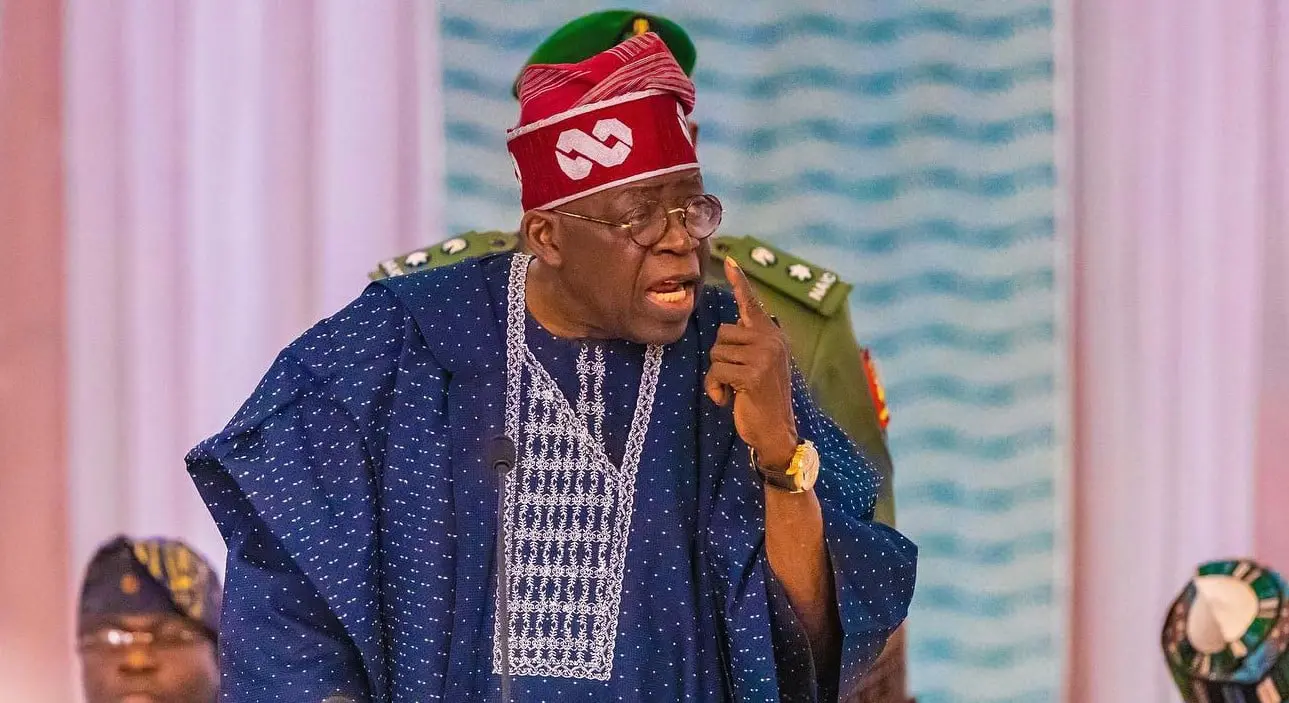
President Bola Tinubu’s Special Adviser on Media and Public Communications, Sunday Dare, has criticised The Economist over its assessment of the President’s chances in the 2027 election, accusing the publication of relying on what he described as inconsistent and misleading narratives.
The Economist, in a report published on October 1, titled “Nigerians dislike their president, but may re-elect him anyway,” said Tinubu could still win the 2027 election despite public dissatisfaction with his administration.
The publication pointed to Nigeria’s worsening security situation, the effects of the government’s economic reforms and the presence of political challengers as factors that could affect Tinubu’s re-election prospects. It also argued that the President’s confidence may reflect Nigeria’s electoral dynamics rather than widespread satisfaction with his administration.
Responding in a statement on Wednesday, Dare said The Economist’s analysis “smells of opposition and is riddled with inconsistencies.” He accused overseas observers of presenting what he called sensationalist half-truths and of reducing complex challenges in Nigeria to a narrative of widespread rejection of the President.
Dare defended the Tinubu administration’s record since May 2023, arguing that the President inherited an economy facing serious structural problems. He cited the fuel subsidy regime, multiple foreign exchange windows, high debt-service pressures and years of underinvestment in infrastructure and the security system among the challenges confronting the administration.
According to Dare, the decision to end fuel subsidy payments on the first day of Tinubu’s administration was a major step towards reducing pressure on government finances. He argued that the move has helped save trillions of naira and redirect resources towards capital development and fiscal sustainability.
The presidential aide also highlighted the Nigerian Education Loan Fund (NELFUND), wage reforms and increased financial resources available to local governments as evidence of the administration’s impact. He said these measures were benefiting students, public servants, local government officials, farmers and communities.
Dare maintained that the reforms may be difficult in the short term but described them as necessary measures to address longstanding structural problems. He argued that citizens benefiting from the changes recognise the administration’s efforts to rebuild the country.
The exchange comes as political attention increasingly turns towards the 2027 presidential election, with Tinubu expected to face opposition from several political figures and parties. The Economist’s assessment and the government’s response highlight the contrasting narratives that are likely to shape the political debate ahead of the election.