
Atiku Disowns Aide, Insists He Will Restore Petrol Subsidy If Elected
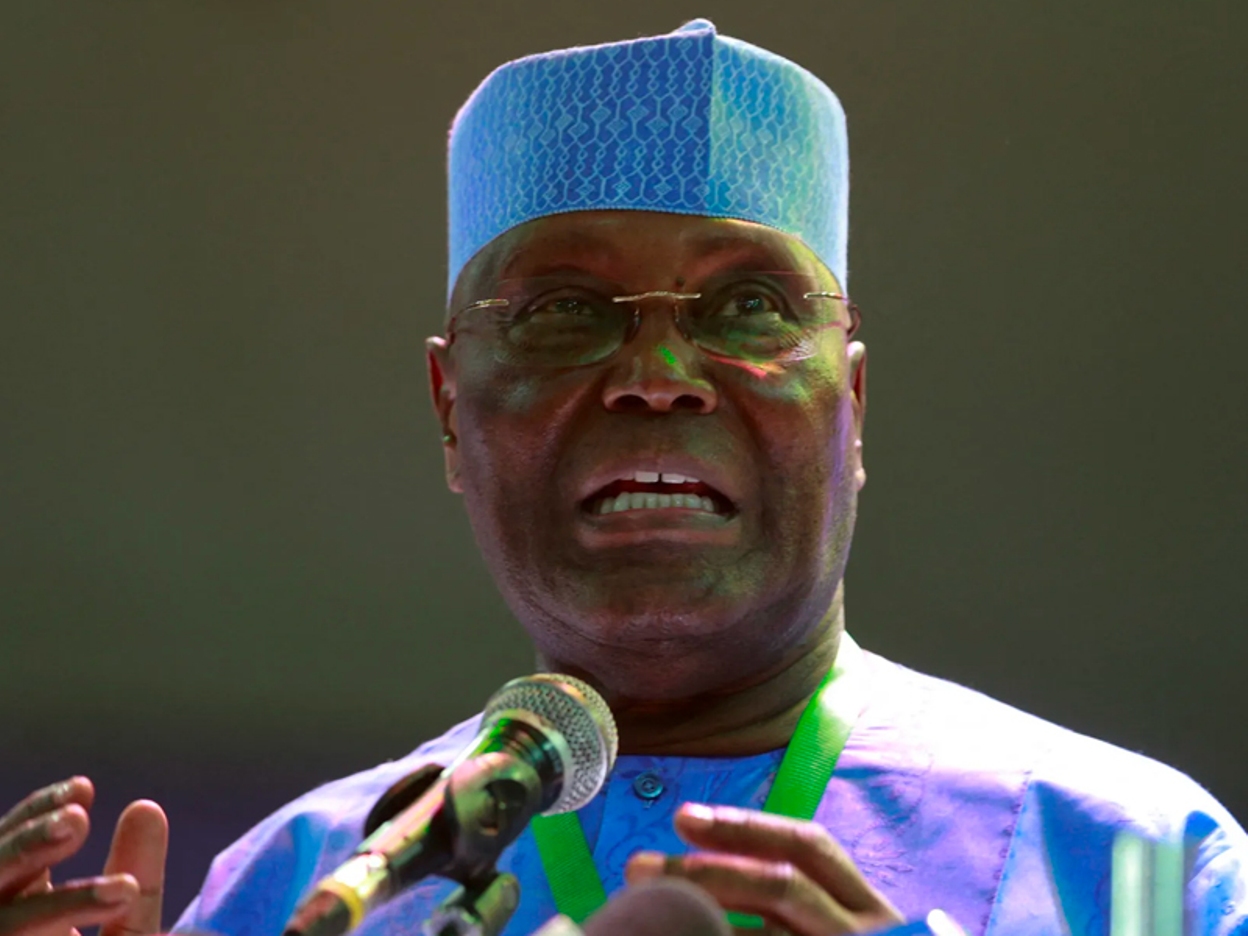
Atiku Abubakar has reaffirmed his plan to restore petrol subsidy if elected president in 2027, distancing himself from comments by his media aide, Paul Ibe, that suggested the policy would eventually be phased out.
The African Democratic Congress presidential candidate made the clarification on Tuesday while receiving the Osun State leadership of the ADC in Abuja. Atiku said his position on subsidy had not changed and stressed that Ibe was not speaking on his authority when he discussed the policy during an interview on AIT.
“Earlier, one of my press aides contradicted me in a policy statement as far as subsidy is concerned,” Atiku said. “I want to repeat categorically that when I said I would return to subsidy, I will!”
Atiku argued that Nigeria had enough resources to protect citizens from severe economic hardship. He said his proposed intervention would focus on restoring purchasing power, lowering transport and production costs, supporting farmers and making essential goods more affordable.
The former vice-president also sought to distinguish his proposal from Nigeria’s former petrol subsidy regime, which relied heavily on imported fuel. His campaign said the proposed scheme would be targeted, capped, transparently budgeted and independently audited, with government support directed towards domestic refining and production.
Atiku’s Senior Special Assistant on Public Communication, Phrank Shaibu, said the intervention would not have a fixed withdrawal date. Instead, it would be reduced as local refining capacity expands, fuel supply becomes more stable and competition improves. He described the policy as temporary support that would end when the market could deliver affordable prices without government assistance.
Ibe had earlier explained on AIT that the proposed subsidy would be linked to crude oil supplied to local refiners at a discounted rate. He said cheaper crude would allow refiners to produce petrol and diesel at lower costs, while an independent committee would determine the appropriate crude price based on prevailing market conditions.
The subsidy debate has become a major issue ahead of the 2027 presidential election. President Bola Tinubu removed petrol subsidy on May 29, 2023, triggering a sharp rise in fuel prices and contributing to increased transport, food and household costs. The Federal Government has defended the reform as necessary to improve public finances and attract investment, while Atiku’s camp argues that the burden of the reforms has fallen too heavily on households and businesses.