
Atiku Slams Tinubu’s Economic Policies, Claims 767 Factories Have Shut Down Under Current Administration
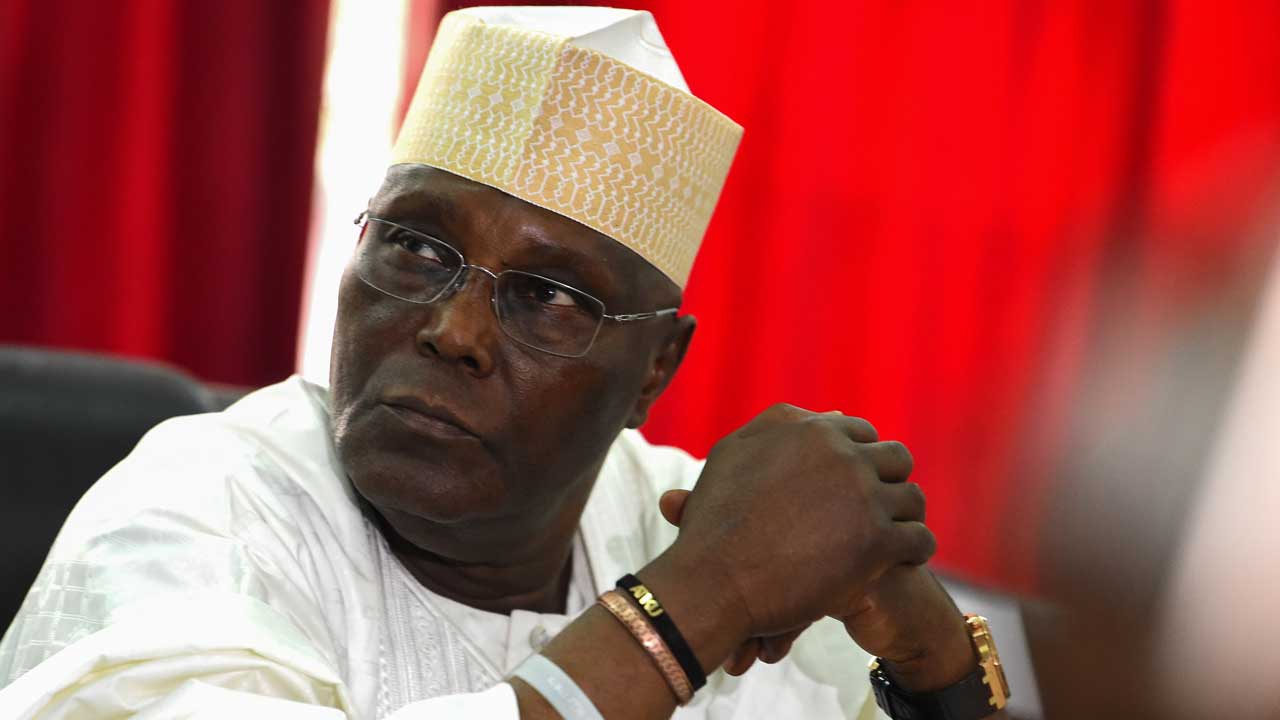
Former Vice President Atiku Abubakar has launched a fresh attack on the economic policies of President Bola Tinubu’s administration, alleging that Nigeria’s business climate has deteriorated sharply, forcing hundreds of factories to close and leaving many others struggling to survive.
Atiku claimed that 767 factories have shut down, while another 335 manufacturing firms are operating under severe distress, arguing that the figures contradict the Federal Government’s repeated assurances that its economic reforms are strengthening the economy and improving the investment climate.
The former vice president, who is the presidential candidate of the African Democratic Congress (ADC), made the remarks while responding to the Presidency’s recent defence of President Tinubu’s economic performance. In a statement issued by his Senior Special Assistant on Public Communication, Phrank Shaibu, Atiku said the government’s optimistic economic narrative does not reflect the realities faced by businesses and ordinary Nigerians.
According to him, officials continue to highlight improvements in Gross Domestic Product (GDP) growth and other macroeconomic indicators, yet manufacturers, small businesses and households are battling rising operating costs, weaker consumer spending and shrinking profit margins.
Atiku argued that the closure of hundreds of factories points to deeper structural problems within the economy. He blamed the situation on soaring energy costs, multiple taxation, expensive transportation, rising electricity tariffs and declining consumer demand, insisting that these challenges have made it increasingly difficult for businesses to remain profitable.
He also questioned the government’s tax reforms, saying economic policies should stimulate production, create jobs and broaden the tax base rather than impose additional burdens on companies already facing financial pressure. In his view, higher government revenue cannot be regarded as a success if it comes at the expense of the country’s productive capacity.
The former vice president further criticised the Federal Government’s borrowing strategy, arguing that the real issue is not Nigeria’s debt-to-GDP ratio but whether borrowed funds are generating meaningful economic returns. He maintained that businesses continue to spend heavily on alternative power sources while poor infrastructure and high logistics costs remain major obstacles to industrial growth.
Atiku also challenged the Presidency’s position on crude-backed financing arrangements, arguing that the government had effectively acknowledged committing future crude oil earnings in ways that could reduce Nigeria’s ability to benefit from favourable global oil prices. He insisted that transparency must remain central to any fiscal policy, urging the government to disclose full details of agreements involving future oil revenues.