
Sanwo-Olu Orders Dredging of 28 Drainage Channels After Floods Hit Lagos Communities
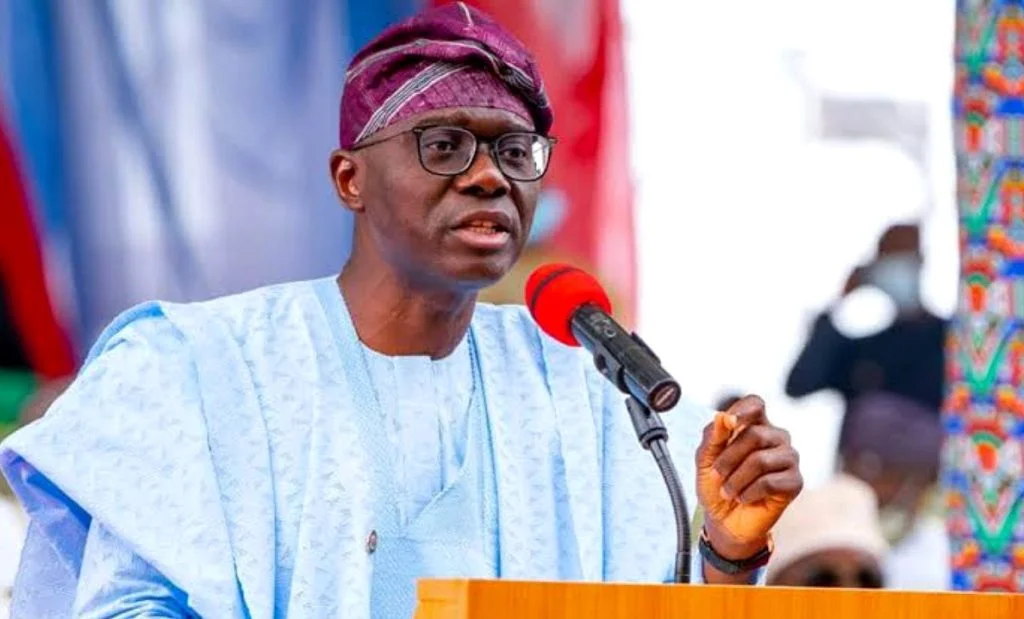
The Lagos State Government has announced an immediate expansion of its flood control measures after Governor Babajide Sanwo-Olu approved the dredging and maintenance of 28 additional primary drainage channels following widespread flooding across several parts of the state.
The decision comes after heavy rainfall over the past two weeks left roads submerged, disrupted traffic, forced residents from their homes and affected businesses in several communities across Lagos.
Commissioner for the Environment and Water Resources, Tokunbo Wahab, said the flooding was caused by an extreme weather event that produced an unusually high volume of rainfall within a short period, overwhelming drainage systems in some locations.
According to the commissioner, communities including Victoria Island, Lekki, Ikeja, Gbagada, Mushin and Mafoluku experienced temporary flooding as stormwater exceeded the capacity of existing drainage infrastructure.
Wahab noted that the weather conditions were not unique to Lagos, explaining that several African countries and parts of North America also recorded intense rainfall on the same day. He said the state’s geographical location presents additional challenges because of its extensive network of lagoons, rivers, creeks and tidal water bodies.
He explained that the interaction between the Atlantic Ocean, Lagos Lagoon and other waterways, especially during periods of high tide, slows the discharge of stormwater into the sea. As a result, low-lying areas are more vulnerable to temporary flooding after exceptionally heavy rainfall.
In a statement issued through the Ministry of the Environment and Water Resources by spokesperson Kunle Adeshina, the government assured residents that it was closely monitoring drainage infrastructure, flood-prone communities and other critical waterways across the state.
The government urged residents to remain calm, assuring them that the newly approved dredging exercise forms part of ongoing efforts to improve drainage capacity, reduce flood risks and strengthen the state’s resilience against extreme weather events.