
Al-Aqsa Mosque Tensions Rise as Israeli Nationalists Push for New Temple on Flashpoint Holy Site
A new wave of political and religious tension is building around the Al-Aqsa Mosque compound in Jerusalem, after a right-wing Israeli politician openly called for the construction of a new Jewish temple on the site—one of the most sensitive religious locations in the world.
Moshe Feiglin, a nationalist Israeli figure, made the remarks after visiting the compound alongside a group of religious Jews. He described the land as divinely promised and said it would one day host a “new Temple for all humanity to pray together,” a statement widely seen as provocative given the site’s current religious and political status.
The Al-Aqsa compound, known to Muslims as Al-Haram al-Sharif and to Jews as the Temple Mount, sits at the heart of long-standing Israeli-Palestinian tensions. It is one of Islam’s holiest sites and is believed to be the place from which Prophet Muhammad ascended to heaven. For Jews, it is also the historic location of ancient temples destroyed nearly 2,000 years ago.
Under a decades-old arrangement known as the “Status Quo,” the site is administered by a Jordanian Islamic trust (the Waqf), with non-Muslim visitors allowed entry but barred from prayer or religious rituals. Despite this, some Israeli nationalist groups have increasingly challenged those restrictions.
Feiglin’s visit, during which he reportedly prayed and sang religious songs, is viewed by officials and religious authorities as a direct violation of both the Status Quo agreement and established rabbinical rulings that prohibit Jewish prayer at the site.
Tensions have been further inflamed by reports suggesting discussions within Israeli and US political circles about potentially redefining the site as a “multi-faith centre.” While some media outlets have reported possible policy shifts, US officials have publicly denied knowledge of any formal plan, and Israel’s government maintains that no changes to the Status Quo have been made.
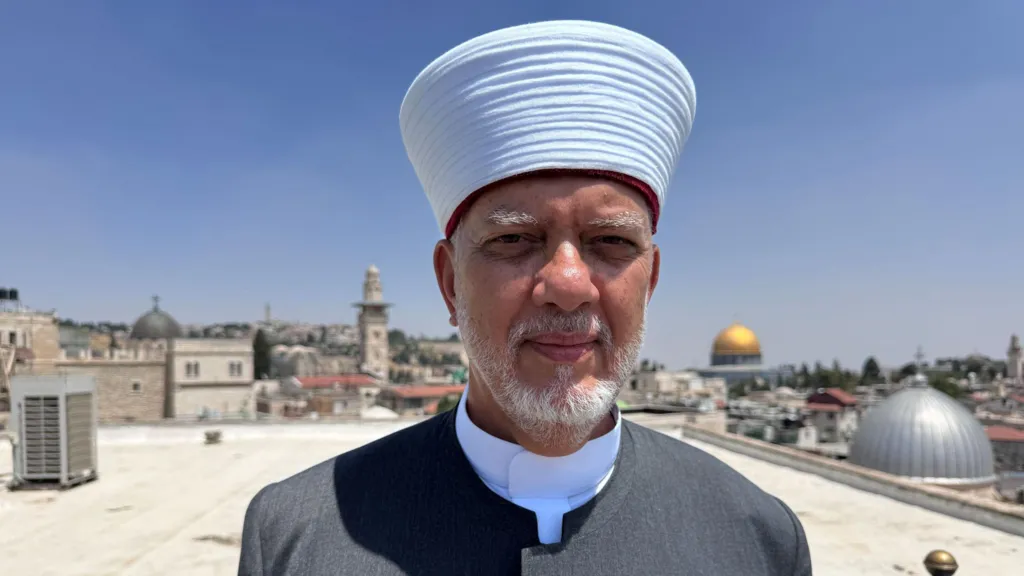
Still, fears persist among regional stakeholders. Dr. Mustafa Abu Sway, a senior figure within the Islamic Waqf Council, warned that any alteration to the current arrangement could trigger severe instability across the region, describing the situation as dangerously volatile.
“Peace without leaving Al-Aqsa Mosque alone is simply opening a Pandora’s box,” he warned, stressing that the site’s status is central to regional stability and religious coexistence.
Concern is not limited to Palestinian authorities. Jordan, Egypt, and several Gulf states have also voiced alarm over what they describe as growing erosion of Islamic authority at the compound. The British government has similarly urged that the historic arrangements governing the holy site be respected.
On the Israeli political right, however, momentum appears to be shifting in the opposite direction. National Security Minister Itamar Ben-Gvir has repeatedly visited the compound and openly supported increased Jewish presence and prayer there, actions that have drawn widespread international criticism.
His recent participation in nationalist marches through East Jerusalem, including the Old City’s Muslim quarter, has intensified fears that political pressure is mounting to reshape control of the site.
The Al-Aqsa compound has been a flashpoint before. In September 2000, a visit by then-opposition leader Ariel Sharon to the site triggered widespread unrest that escalated into the Second Intifada, a violent uprising that lasted years and claimed thousands of lives.
With competing religious claims, political ambitions, and historical grievances still unresolved, analysts warn that any unilateral move to alter the site’s governance could once again push the region toward serious escalation.