Fresh controversy has trailed the killing of 28-year-old musician, Oghenemine “Mine” Ogidi, in Effurun, Delta State, after allegations emerged that the Nigeria Police Force may be concealing key details about officers linked to the incident.
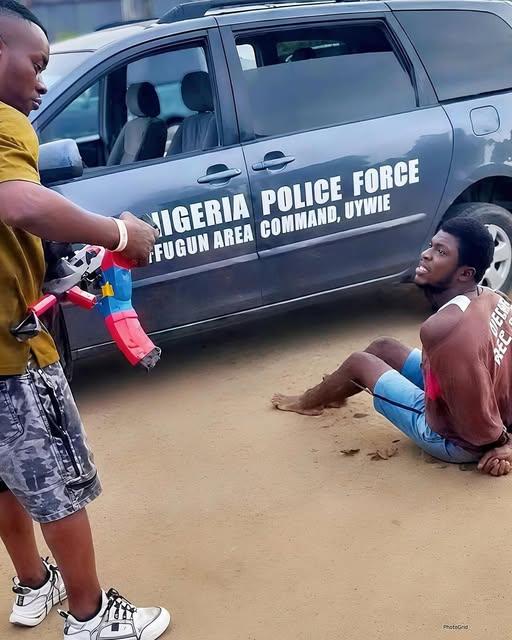
The case, which went viral nearly two weeks ago after a video showed an Assistant Superintendent of Police, ASP Nuhu Usman, allegedly shooting the young man at close range, has already triggered public outrage and internal disciplinary action within the Force.
The police have confirmed that three other inspectors were punished alongside Usman, who reportedly led a surveillance team from the Effurun Area Command. However, authorities have not disclosed their identities or clarified their exact roles in the incident.
This lack of clarity has fuelled suspicion, especially as civil society groups and eyewitness accounts question whether the officers were actually present at the scene where the shooting occurred.
Human rights activist Harrison Gwamnishu, who first shared the viral footage, has insisted that the narrative being presented by the police does not align with what was captured in the video evidence.
He claimed that the individuals seen with the dismissed officer at the Effurun Motor Park were not police personnel but civilians, raising concerns of possible misrepresentation by authorities.
According to Gwamnishu, the officers currently being disciplined were not involved in the shooting itself and may have been wrongly implicated simply because they were attached to the same unit.
He further alleged that two unidentified civilians, named as “Efe” and “Godwin,” accompanied Usman during the incident, and were not among those arrested or named by the police.
The police spokesperson, however, has stated that individuals connected to the case include members of a vigilante group, a detail Gwamnishu believes indirectly supports claims of irregular involvement of non-police actors.
The Force has also linked the case to ongoing investigations into how the firearm used in the killing was transported to the scene, with reports suggesting that a suspect from Bayelsa State and a commercial driver have been arrested in connection with the weapon’s movement.
Despite these developments, official communication from the police has remained cautious, with limited disclosure of names and roles, further intensifying public calls for transparency.
Gwamnishu has accused senior police officers of attempting to shield broader operational lapses, alleging that civilians are sometimes unofficially attached to tactical teams during operations.
He warned that the handling of the case could deepen public mistrust in the police if not properly clarified, urging intervention from the Nigerian Bar Association and the National Assembly.
A police source, however, defended the arrests, arguing that members of the same operational team can be held accountable collectively pending full investigation, even if individual involvement varies.
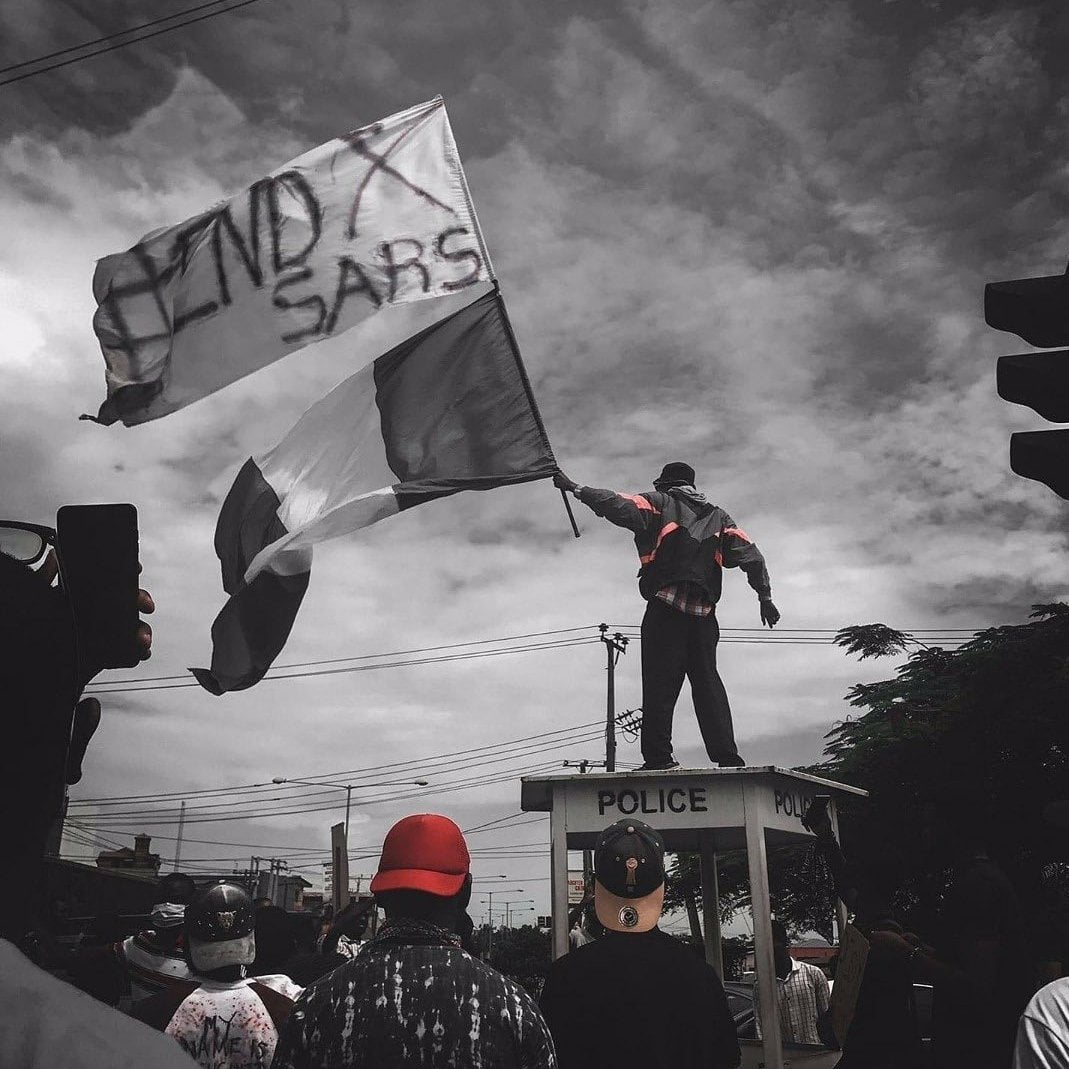
As investigations continue, the case has become a flashpoint in ongoing debates over police accountability, use of force, and transparency in disciplinary processes within the Nigeria Police Force.