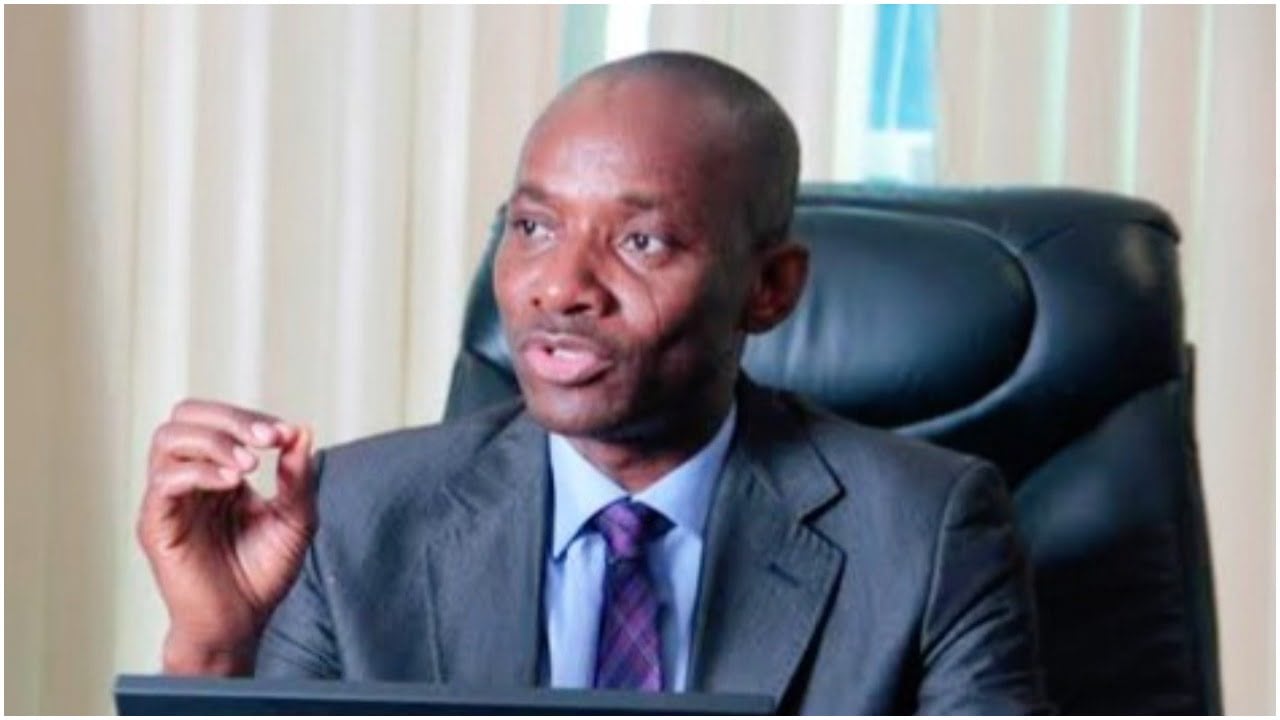
The Director of the Abuja School of Social and Political Thought, Sam Amadi, has warned that Nigeria may experience a decline in democratic quality by 2027, describing the system as already facing serious structural challenges.
Amadi made the remarks during an interview on Arise News’s Prime Time programme, where he criticised the country’s political and electoral systems.
He argued that political parties in Nigeria lack internal democracy, a situation he attributed to structural and normative issues within the system. He also expressed concern about the judiciary, describing it as ineffective in addressing electoral disputes.
“In 2027, we are going to have worse democracy than it currently is. The key point is that the Nigerian party system doesn’t have internal democracy,” Amadi said, adding that judicial review in electoral matters remains weak and inconsistent.
According to him, provisions in the Electoral Act appear to limit effective judicial oversight, reducing the ability of courts to intervene meaningfully in electoral disputes.
Amadi also cautioned Nigerians against placing too much confidence in technology deployed by the Independent National Electoral Commission, insisting that it should not be trusted without proper scrutiny.
Speaking at the Citizens Town Hall Meeting on the Electoral Act 2026 in Abuja, he called for the establishment of a bipartisan audit commission to independently review INEC’s technological systems.
Reflecting on the 2023 general elections, Amadi said the process was marred by allegations and unresolved issues, adding that there was a lack of accountability from electoral officials.
“The National Assembly did not conduct one public hearing; nobody was put on oath… That is shambolic,” he said.
He stressed that Nigerians should not rely solely on INEC’s technology without independent verification and accountability mechanisms, warning that the absence of transparency could further erode public trust in the electoral process.
Amadi’s comments highlight ongoing debates about electoral reforms, judicial independence, and institutional credibility as Nigeria approaches the 2027 general elections.