
Defence Ministry Credits Intelligence Agency for Gains Against Terrorism, Banditry in Nigeria
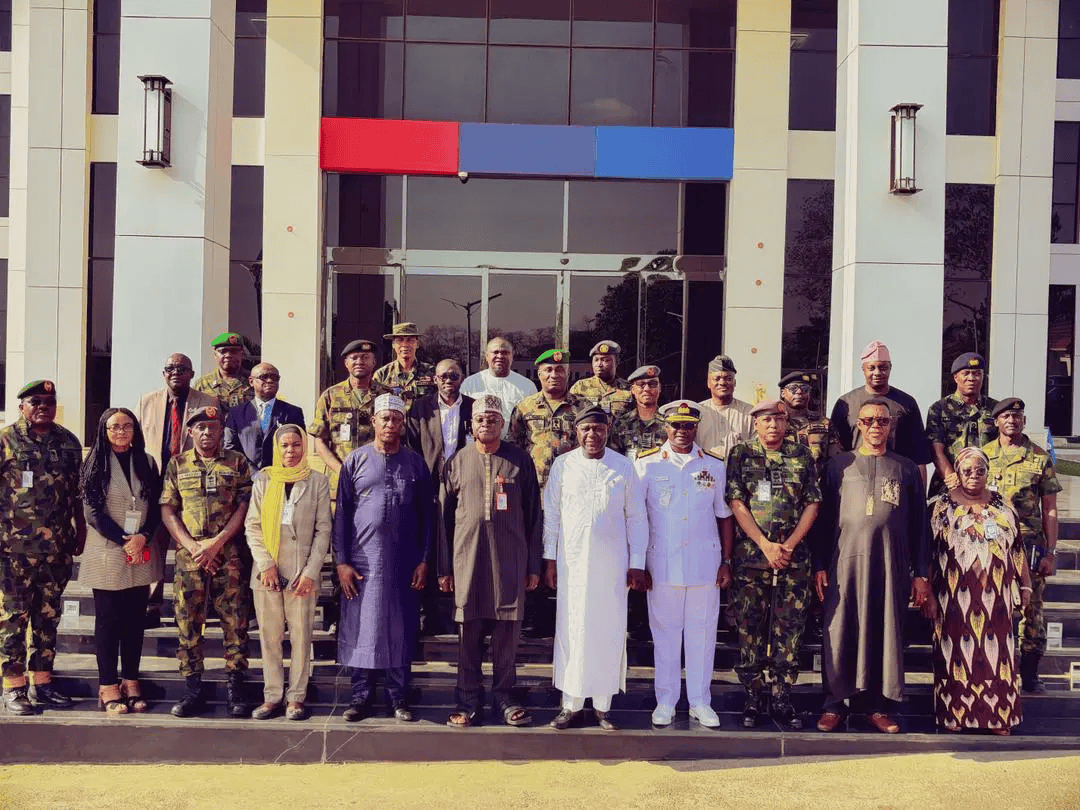
Abuja, Nigeria – The Permanent Secretary of the Ministry of Defence, Richard Pheelangwah, has credited the Defence Intelligence Agency (DIA) with playing a central role in Nigeria’s ongoing fight against terrorism, banditry, and other security threats.
Speaking during a visit to the agency’s headquarters in Abuja on March 18, 2026, Pheelangwah said recent operational successes have been driven by improved intelligence gathering and stronger collaboration among security agencies. He noted that coordinated intelligence sharing has significantly enhanced the country’s ability to respond to evolving threats.
He stressed that the DIA remains critical to the planning and execution of security operations, urging the agency to continue adopting modern technologies to address increasingly complex challenges. He also highlighted the importance of prioritising staff welfare, training, and capacity development to improve efficiency and morale.
Pheelangwah commended the professionalism and dedication of DIA personnel, reaffirming the ministry’s commitment to strengthening the agency’s operational capabilities.
In response, the Chief of Defence Intelligence, Lieutenant General Emmanuel Parker Undiandeye, said the visit underscored the importance of synergy within Nigeria’s intelligence community. He emphasised that collaboration among security agencies is vital in tackling terrorism, extremism, kidnapping, and cybercrime.
Undiandeye explained that the DIA focuses on proactive threat detection and early warning systems for the armed forces and other security institutions. He said the agency combines human intelligence, technical capabilities, and strategic partnerships to stay ahead of security threats, adding that accuracy and precision remain key to successful intelligence operations.
Despite ongoing challenges, including limited capacity, equipment shortages, and funding constraints, he noted that the agency has recorded measurable progress. These include a reduction in unintended targeting and a decline in human rights abuses and civilian casualties over the past two years.
He revealed that more than 1,300 personnel have undergone training in intelligence and related fields, while advancements in technology have strengthened the agency’s ability to carry out proactive operations.
While acknowledging the support of the President and the Ministers of Defence, Undiandeye called for increased funding to address operational gaps, improve staff welfare in foreign missions, ensure timely release of funds, and acquire modern intelligence platforms.
Senior officials from the Ministry of Defence and top DIA personnel were present during the visit.