
South East Nigeria Restores Monday Business as Sit-at-Home Order Ends
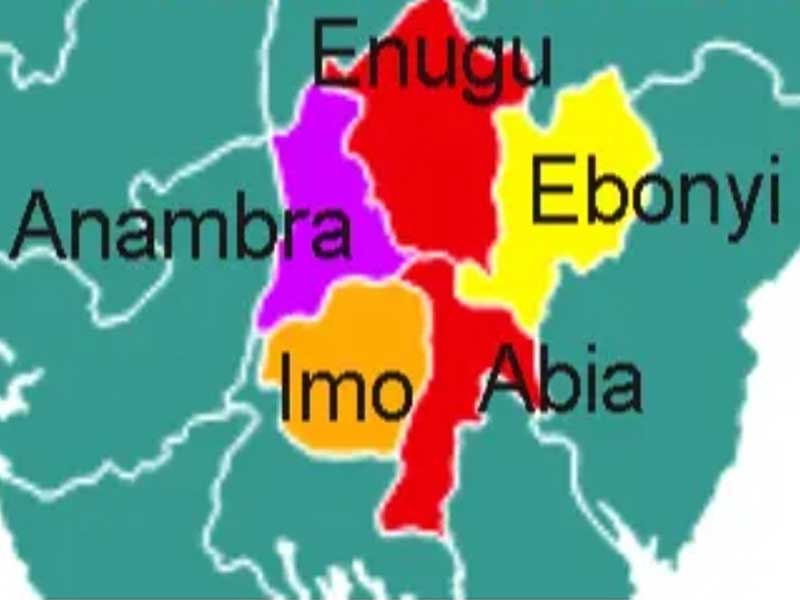
Traders, commuters, and residents in Anambra, Ebonyi, and Enugu States have begun resuming economic and social activities on Mondays following the permanent cancellation of the long-standing sit-at-home order.
The directive, previously enforced by the proscribed Indigenous People of Biafra (IPOB) to protest the detention of its leader, Mazi Nnamdi Kanu, had paralyzed markets, small businesses, and transport services in major commercial hubs such as Onitsha, Aba, and Nnewi for years. Residents who defied the order often faced violent reprisals.
A recent survey by the News Agency of Nigeria (NAN) indicates a gradual return of Monday operations in urban centres, though patronage remains below pre-restriction levels. Offices, schools, banks, and markets are opening, and transport companies, including Peace Mass Transit and Young Shall Grow Motors, have resumed full services in some areas.
Traders report mixed experiences, with some using Mondays as personal rest days after low customer turnout over the years. Bank operations have also adjusted to shorter hours as residents cautiously return.
Governors of Abia, Anambra, Ebonyi, Enugu, and Imo States had previously banned the order to restore economic activity, while IPOB’s spokesperson, Emma Powerful, confirmed the permanent cancellation effective February 9, 2026.
Security concerns persist in rural areas, with some businesses remaining partially closed. Human rights advocates note that habit and fear may slow full compliance, stressing the need for consistent security enforcement.
Market leaders, transport unions, and school officials continue urging residents to fully resume Monday activities to restore economic vibrancy across the South East.