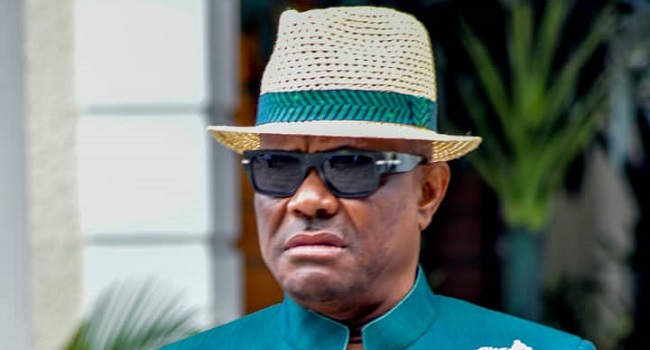
The Minister of the Federal Capital Territory (FCT), Nyesom Wike, has said Nigeria’s democracy should be assessed by its ability to deliver functional infrastructure and public services rather than by elections alone.
Wike made the remarks while delivering a Distinguished Personality Lecture at the University of Abuja, addressing students, academics and policymakers on the theme: “The Impact of Political Leadership on Infrastructural Development in Nigeria: Between Dividends of Democracy and Good Governance.”
He argued that democratic governance must produce tangible improvements in citizens’ daily lives, describing democracy as a social contract rooted in accountability, transparency and participation.
“For the ordinary citizen, democracy must translate into roads that work, schools that inspire, hospitals that heal, and opportunities that uplift,” Wike said, adding that infrastructure remains the most visible indicator of governance performance.
Leadership and Development
Linking infrastructure deficits to leadership challenges, Wike echoed views long expressed by renowned Nigerian author Chinua Achebe, who attributed Nigeria’s development struggles to failures in leadership.
He also quoted democracy scholar Larry Diamond, stressing that sustaining democratic systems requires commitment to building strong institutions beyond the conduct of elections.
According to Wike, political leadership serves as the bridge between democratic ideals and economic progress by determining how effectively institutions and public resources function.
Policy Direction and Reforms
The minister highlighted reforms under President Bola Ahmed Tinubu, including subsidy removal and decentralised development initiatives, as measures aimed at restructuring Nigeria’s economy and governance framework.
He said such reforms demonstrate leadership willing to prioritise long-term national interest despite short-term challenges.
FCT Projects as Example
Citing ongoing projects within the Federal Capital Territory, Wike pointed to investments in road networks, urban renewal programmes and inclusion of satellite towns. He said Abuja’s development trajectory illustrates how focused governance can translate democratic authority into practical outcomes.
According to him, infrastructure delivery within transparent institutional frameworks provides what he described as a “visible lesson in ethical leadership.”
Role of Universities
Wike urged universities to promote civic awareness and accountability, saying higher education institutions should equip students to participate constructively in nation-building and safeguard democratic norms.
Referencing global leadership examples such as Nelson Mandela, he emphasised the importance of shared responsibility between leaders and citizens.
He concluded that Nigeria’s democratic future depends on ethical leadership, active citizenship and infrastructure that improves living standards, calling for sustained dialogue on governance reforms.
The lecture formed part of the University of Abuja’s academic engagement series designed to foster interaction between public officials and the academic community on national development issues.