
Senate Reviews Tinubu’s $7.7bn External Loan Request to Fund 2026 Budget
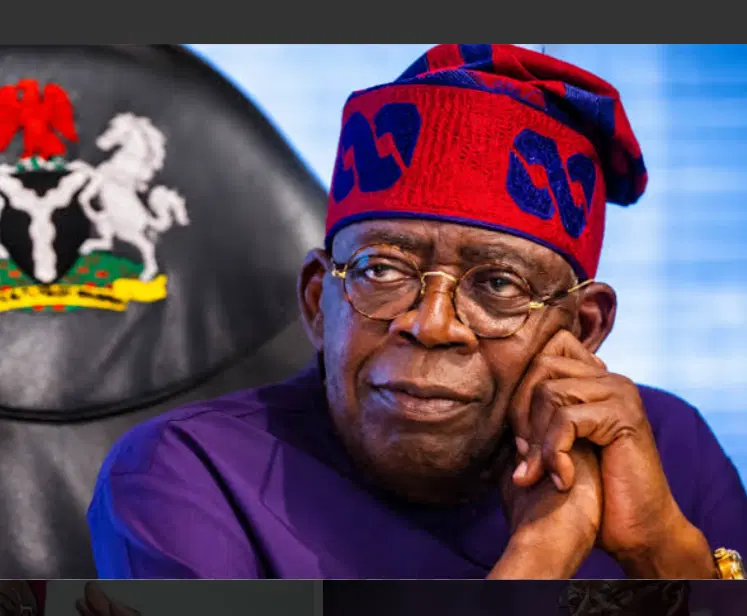
The Senate has begun reviewing President Bola Tinubu’s request for approval to secure an external loan of $7.7bn, equivalent to N10.79tn, as part of the Federal Government’s financing plan for the 2026 fiscal year.
The proposal was referred to the Senate Committee on Local and Foreign Debts on Wednesday for detailed consideration after the Senate President, Godswill Akpabio, read the President’s request during plenary.
In a letter dated October 26, 2026, Tinubu asked the National Assembly to approve external borrowing of N10,790,366,835,481, equivalent to $7,707,404,882.49, using the budget exchange rate of N1,400 to the dollar.
The proposed external loan represents the foreign component of the N29.2tn new borrowing provision in the 2026 Appropriation Act. The borrowing plan comprises N18.4tn in domestic loans and N10.79tn in external financing to help fund a projected budget deficit of approximately N31.4tn.
Tinubu said the request complied with Sections 21(1) and 27(1) of the Debt Management Office (Establishment, etc.) Act, 2003, which require external borrowing proposals to be submitted to and approved by the National Assembly.
The President explained that the government intended to explore different financing options, taking into account borrowing costs, the benefits of each arrangement and the time required to access the funds. However, he indicated that Eurobond issuance would receive particular attention because of its relatively faster processing time and capacity to raise substantial amounts.
Other options listed in the letter included concessional and commercial loans from multilateral and bilateral institutions, facilities from the International Monetary Fund, bridge financing arrangements, loan syndications and direct borrowing from international financial institutions.
Tinubu noted that the final interest rates, repayment periods and other conditions would depend on prevailing market conditions when the financing arrangements were concluded. He assured lawmakers that the Federal Ministry of Finance and the Debt Management Office would work together to secure favourable terms for the country.
On the proposed use of the funds, the President identified defence and security, transportation, agriculture, power, education and healthcare as priority sectors expected to benefit from the financing.
He also argued that the foreign currency proceeds would contribute to Nigeria’s external reserves. According to him, the funds would be received by the Central Bank of Nigeria on behalf of the Federal Government, potentially strengthening the country’s external position and providing additional support for the naira.
Reacting to the request, Akpabio urged the Federal Government to negotiate favourable conditions and carefully examine the economic implications and repayment obligations attached to any borrowing arrangement.
The Senate President said Nigeria must seek terms that would benefit both the country and prospective lenders, warning against accepting unfavourable loan conditions.
He subsequently directed the Committee on Local and Foreign Debts to examine the proposal and report back to the Senate as soon as practicable. The committee is expected to scrutinise the financing options and proposed borrowing terms before lawmakers take a final decision.
The request comes amid continuing concerns over Nigeria’s public debt, debt-servicing obligations and dependence on borrowing to finance annual budget deficits.
While the Federal Government maintains that borrowing is necessary to bridge revenue gaps and fund critical projects, concerns persist over the sustainability of the country’s debt profile and whether investments financed through loans will generate sufficient economic returns to justify their cost.