
NJC Orders Imo Judicial Commission to Include Agugua in Chief Judge Nomination List
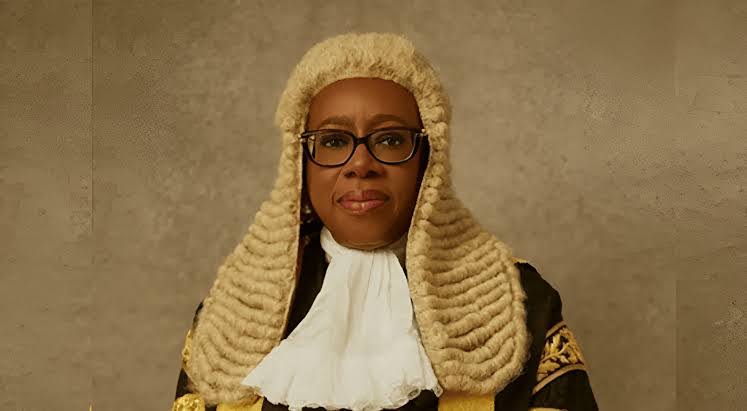
The National Judicial Council (NJC) has directed the Imo State Judicial Service Commission to include the name of Acting Chief Judge Ijeoma Agugua in its shortlist of candidates for appointment as the state’s substantive Chief Judge.
The directive follows the exclusion of Justice Agugua, the most senior judge of the Imo State High Court, from the list of nominees initially submitted by the state commission.
In a statement issued on Wednesday, the NJC’s Deputy Director of Information, Kemi Babalola-Ogedengbe, said the decision was taken at the council’s 112th meeting held on November 3 and chaired by the Chief Justice of Nigeria, Kudirat Kekere-Ekun.
The council said it instructed the Imo State Judicial Service Commission to include Agugua’s name after considering a petition dated June 11, submitted by Bob Kay Njemanze, challenging her exclusion from the nomination process.
According to the NJC, although the State Judicial Service Commission has the constitutional responsibility to advise it on suitable candidates for appointment as Chief Judge, the council retains the authority to determine the suitability of nominees presented for consideration.
The council therefore directed its secretariat to formally request that the state commission add Agugua to the shortlist.
However, the directive does not amount to an automatic appointment. Her inclusion means she will be considered alongside other eligible candidates before the appointment process is concluded.
The latest development comes amid a prolonged leadership dispute within the Imo judiciary following the compulsory retirement of former Chief Judge, T.E. Chukwuemeka Chikeka, in November 2024 over age falsification.
The crisis intensified in April 2025 when the NJC rejected the appointment of Justice Theophilus Nzeukwu as Acting Chief Judge. Nzeukwu was reportedly the fourth most senior judge in the state’s judicial hierarchy at the time.
The council held that his appointment violated Section 271(4) of the Nigerian Constitution, which requires a governor to appoint the most senior judge of the state’s High Court to perform the functions of the Chief Judge whenever the office becomes vacant.
The NJC subsequently directed that Nzeukwu be queried for accepting the appointment and later recommended his compulsory retirement after he was sworn in despite the council’s position.
Governor Hope Uzodimma had defended the decision to appoint Nzeukwu, saying reports available to him indicated that the judge was the most senior judicial officer without unresolved issues.
The NJC, however, maintained that the constitutional provision did not give the governor discretion to bypass the most senior judge when making an acting appointment.
Uzodimma later agreed to comply with the council’s directive, allowing Agugua to assume the acting position. However, the dispute over her consideration for the substantive position continued.
The NJC’s latest intervention has renewed attention on the appointment process and the relationship between the state judicial authorities and the national judicial body.
The council also disclosed that it recommended 28 candidates for various judicial appointments at its 112th meeting and considered several disciplinary matters.