
Rocket Launchers, Ransom Payments Raise Fresh Concerns Over Nigeria’s Banditry Crisis
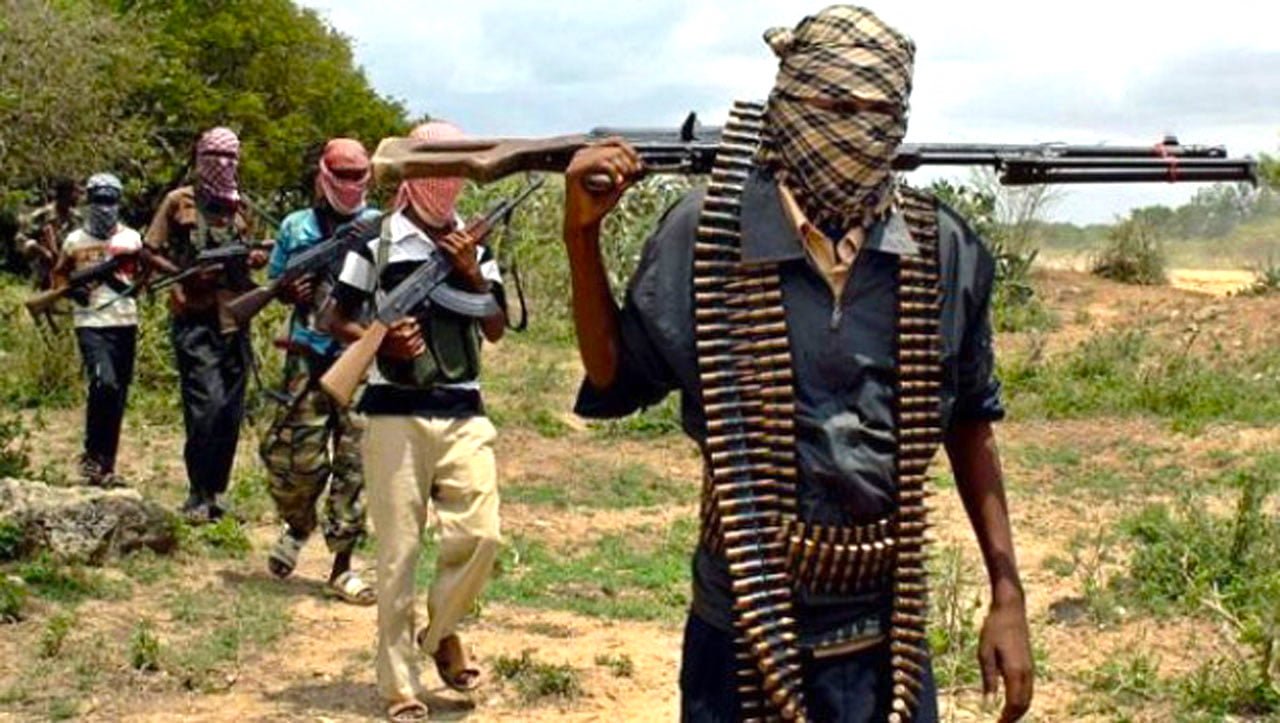
Nigeria’s banditry crisis is raising fresh security concerns following the recovery of rocket launchers and other dangerous weapons from suspected armed bandits in Sokoto State. The development has renewed questions about how criminal groups obtain weapons, finance their operations and sustain attacks across parts of northern Nigeria.
On October 2, the Sokoto State Police Command announced the recovery of at least two rocket launchers after security operatives foiled an attack on Tsabre Village in Isa Local Government Area. The discovery has heightened concerns about the growing firepower available to armed groups, which have repeatedly attacked communities, abducted residents and demanded ransom payments.
For years, bandits have relied largely on assault rifles and other firearms to attack villages, ambush security personnel and abduct residents. Reports of rocket launchers in their possession have added to concerns about the sources of their weapons and the possible supply networks supporting their activities. However, the recovery alone does not establish how the launchers entered the country or who supplied them.
Several possible sources of weapons have been raised in reports and security discussions. In 2021, former President Muhammadu Buhari declared a no-fly zone over Zamfara State in an effort to restrict the movement of arms and supplies to armed groups. Subsequent reports of helicopters landing in remote forest locations raised further questions about possible supply routes, although such reports do not independently establish that weapons were transported during those flights. Security experts have also identified Nigeria’s extensive and porous borders as a challenge in preventing arms smuggling.
Allegations of illicit arms supplies have also featured in investigations into banditry. In October 2025, a suspected arms dealer identified as Shehu Ali Kachalla was reportedly arrested in a joint operation involving the Zamfara State Police Command, the Federal Intelligence Bureau and the Special Tactical Squad. According to the report, the 30-year-old Nigerien national confessed to smuggling more than 450 rifles and 8,000 rounds of ammunition from Niger into Nigeria for sale to armed groups in Zamfara, Kaduna and Niger states. He also alleged that military personnel provided escorts and protection during some deliveries. These claims require careful attribution and should not be treated as proof of wider institutional involvement without further evidence.
Ransom payments represent another potential source of funding for criminal groups. An intelligence report by SBM cited in the source said at least ₦7.78 billion was paid in ransom across Nigeria between July 2025 and June 2026, during which 7,825 people were reportedly kidnapped. The report put the total ransom demanded at about ₦22.856 billion. Such payments can provide criminal groups with funds, although the figures alone do not establish how much was spent on weapons.
The abduction of serving and prospective National Youth Service Corps members has also highlighted the risks facing travellers. According to the report, at least 36 serving and prospective corps members were abducted in separate incidents between August and October 2026. On August 26, at least 16 corps members travelling from an orientation camp in Bayelsa State were reportedly abducted in Kogi State before being rescued. On October 1, about 20 prospective corps members travelling towards orientation camps in Abia and Akwa Ibom states were abducted along the Owerri-Onitsha Road in Imo State. They regained their freedom on October 7, although accounts differed over whether ransom was paid.
A corps member identified as Mary told Daily Post that fear of abduction had changed how some corps members travel and wear their uniforms. She said she now keeps her khaki uniform in her bag until she reaches her Community Development Service venue, reflecting the anxiety some young Nigerians face while serving away from home.
Retired Superintendent of Police Desmond Omale argued that efforts to tackle banditry must extend beyond military operations in forests to investigate the people who finance and benefit from criminal activities. He alleged that powerful individuals, illegal mining interests and some political actors may be connected to the violence. These remain allegations attributed to the security expert, not established findings against any specific individual. His comments underline calls for investigations into arms trafficking, ransom networks, illegal mining and any officials found to be facilitating criminal groups.