
Pope Leo XIV Heads for Lung Surgery as Vatican Cancels Audiences Until October 20
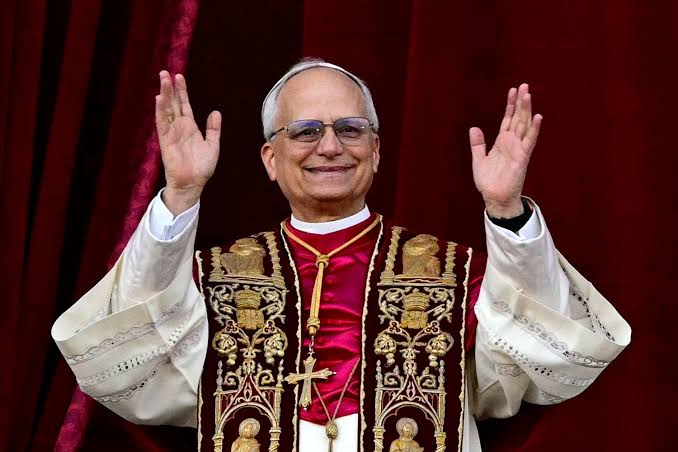
Pope Leo XIV was scheduled to undergo surgery in Rome on Tuesday to remove a nodule from his lung, following its early detection during routine medical checks, according to the Vatican.
The 71-year-old pontiff was expected to be admitted to Gemelli Hospital in the late morning, Vatican spokesman Matteo Bruni told AFP. The procedure marks his first hospitalisation since he became head of the Catholic Church on May 8, 2025.
Leo disclosed the discovery on Sunday after the Angelus prayers, telling worshippers in St Peter’s Square that doctors had detected the pulmonary nodule at a very early stage. He said his medical team believed surgery was the appropriate course of action.
The Vatican said the pope’s recovery could take about a week and confirmed that his audiences had been cancelled until October 20. He was expected to stay in a specially designated suite on the upper floor of Gemelli Hospital, where popes have traditionally received medical treatment.
Medical experts cited by AFP described the removal of a pulmonary nodule as generally low-risk, although the recovery period can vary depending on the procedure and the patient’s condition. Marco Scarci, a thoracic surgery expert in the United Kingdom, said he expected the pope to recover quickly but noted that returning to his previous level of fitness could take up to three months.
Pulmonary nodules are small growths of tissue in the lungs. Many are benign, meaning they are not cancerous, although some can indicate an early stage of lung cancer. Professor Federico Venuta, head of Thoracic Surgery at Rome’s Policlinico Umberto I hospital, explained that such nodules can result from several conditions, including inflammation, infection, autoimmune disorders or malignancy. The Vatican said the pope’s nodule was discovered during routine checks rather than investigations prompted by symptoms.
The planned operation came ahead of Leo’s scheduled South American visit from November 6 to 17, which was expected to include Uruguay, Argentina and Peru. Venuta told AFP that air travel is generally avoided for about 20 days after such procedures, although recommendations may vary depending on the individual case.
Despite the uncertainty surrounding the final diagnosis of the nodule, Venuta said the outlook would generally be favourable if a malignant growth were detected at such an early stage without distant spread. The Vatican had not disclosed further details about the procedure’s outcome in the supplied report.