
Bolt, inDrive Drivers in Lagos Threaten Indefinite Strike Over Fares, Operating Costs
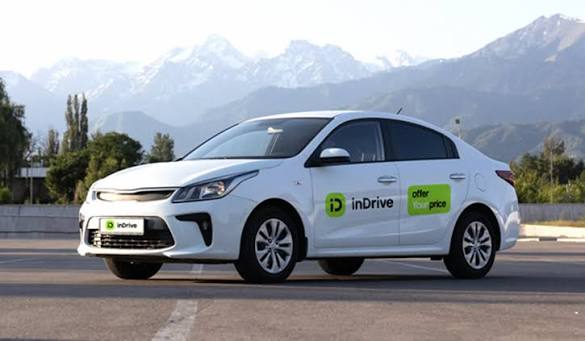
Drivers operating on Bolt and inDrive platforms in Lagos have been urged to withdraw their services indefinitely by the Amalgamated Union of App-Based Transporters of Nigeria (AUATON), Lagos State Council, over disputes involving fares, welfare and rising operating costs.
The union said the planned industrial action would begin on Monday, October 12, 2026, and continue until its demands were addressed. However, Bolt has called for constructive dialogue, proposing a roundtable meeting with AUATON to discuss the concerns raised by drivers.
In a statement signed by its Public Relations Officer, Steven Iwindoye, AUATON accused ride-hailing platforms of failing to adequately account for the economic pressures facing drivers. The union said drivers had repeatedly raised concerns about fare structures, platform commissions, welfare provisions and what it described as inadequate protection against arbitrary account deactivation.
According to AUATON, drivers bear the costs of fuel, vehicle maintenance, tyres, insurance, mobile data, vehicle financing and depreciation. It argued that these expenses make it increasingly difficult for drivers to earn sustainable incomes under the existing arrangements.
Bolt, in a statement issued on Sunday, acknowledged the economic pressures affecting drivers and the need to maintain a sustainable operating environment. The company said it had taken note of AUATON’s concerns about earnings, operating expenses, platform charges, transparency and welfare.
Weyinmi Aghadiuno, Bolt’s Head of Regulatory and Policy for Africa, said the company believed dialogue offered the best way to resolve the dispute. She added that Bolt would focus on listening to drivers, understanding their concerns and identifying practical measures to improve their experience while maintaining safe, reliable and accessible ride-hailing services.
Meanwhile, AUATON has called on the Lagos State Government, relevant federal authorities and labour institutions to intervene. The union warned that the industry could become unsustainable if drivers who provide the vehicles, labour and other operational resources continued to face financial hardship.
The union said its planned action was intended to secure better fares, lower commissions and improved safety and welfare provisions. It also stressed that the dispute was about drivers’ earnings, working conditions and livelihoods, rather than simply encouraging the adoption of alternative ride-hailing applications.