
Ruto Calls for Permanent African Representation on UN Security Council
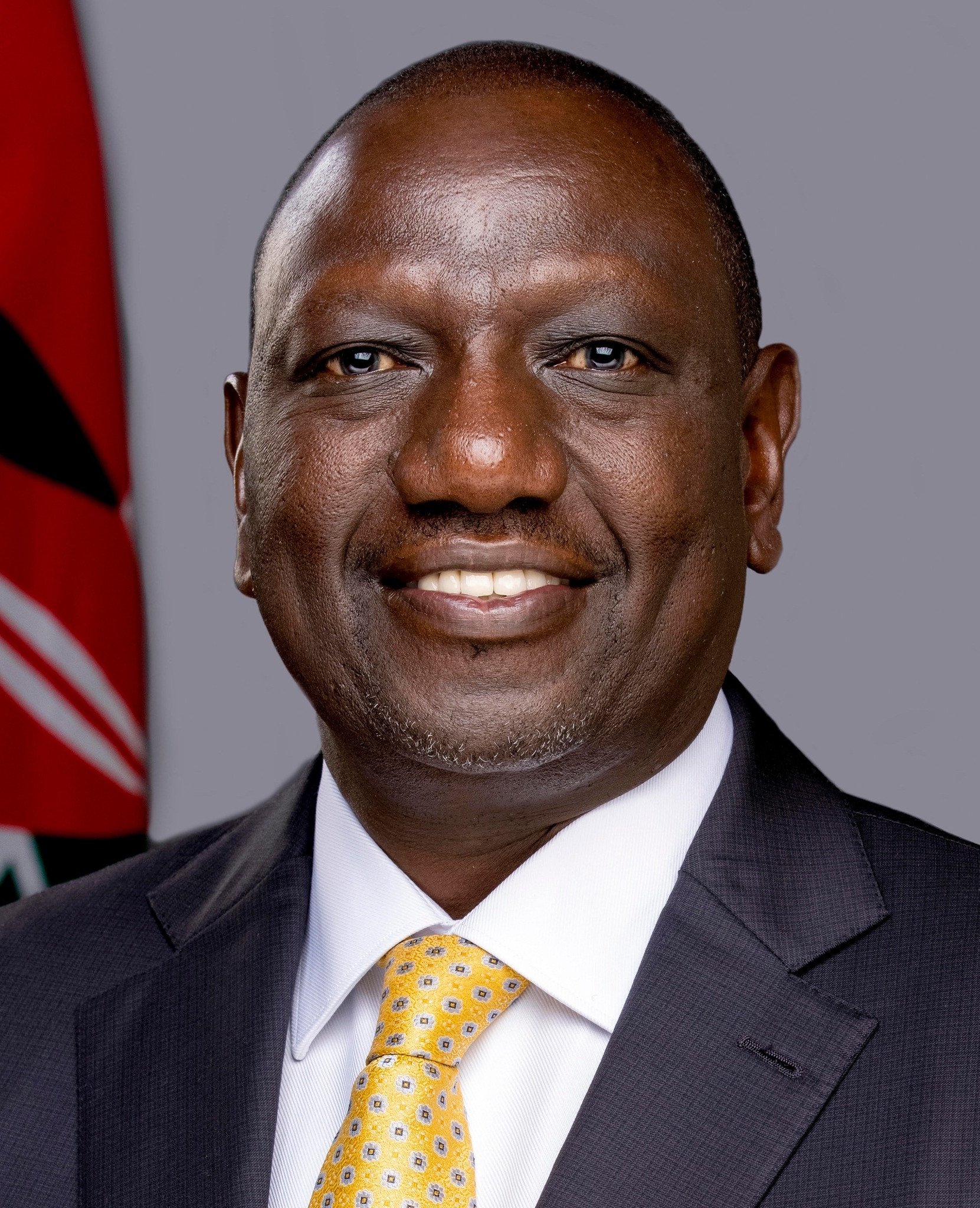
Kenyan President William Ruto has called for reforms to the United Nations Security Council, urging the creation of permanent representation for Africa on the body responsible for addressing international peace and security.
Speaking at the UN General Assembly on Wednesday, Ruto pointed to Africa’s 54 member states, which account for more than a quarter of the assembly’s membership, and questioned the continent’s continued absence from permanent representation on the Security Council.
“Africa has 54 member states, more than a quarter of this assembly, yet no permanent voice in the body entrusted with the primary responsibility of international peace and security,” Ruto said.
The Kenyan president argued that the Security Council should reflect changes in the international system since the United Nations was established. He noted that the council was created at a time when most African countries did not have independent representation in the international system.
Ruto said the world had changed considerably since then, while the structure of the Security Council had not undergone comparable reform. His remarks form part of a wider campaign by African countries and the African Union for greater representation in global decision-making institutions.
South Africa has also identified Security Council reform as an important issue. Its Permanent Representative to the UN in New York, Ambassador Mxolisi Sizo Nkosi, said ahead of the General Assembly session that reform of the council was an important part of South Africa’s agenda.
Ruto’s call also echoed remarks made a day earlier by outgoing UN Secretary-General Antonio Guterres. In his address to the General Assembly on Tuesday, Guterres said a 21st-century Security Council without permanent African representation was “unjust and indefensible.”
The push for reform has remained a recurring issue for African leaders, who have argued that the continent’s representation in the UN’s most powerful decision-making body should reflect its size and role in international affairs.