
Petrol Hits N1,500/Litre in Parts of Nigeria as NLC Demands Urgent Action
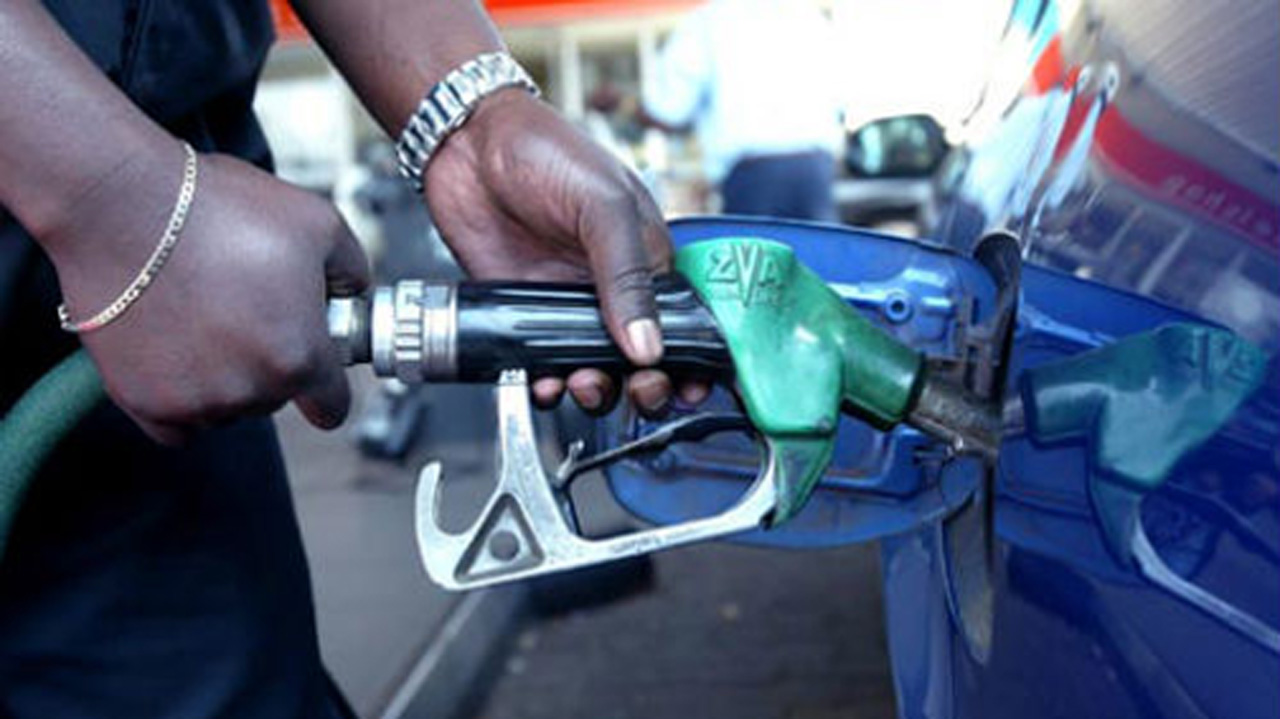
The price of petrol has climbed to as high as N1,500 per litre in several parts of Nigeria, with motorists and commuters facing fresh increases in transportation and daily living costs.
The latest price increases have been reported in Kano, Yobe, Sokoto, Borno, Taraba and Zamfara, while several other states have also recorded significant increases at filling stations.
The development has prompted the Nigeria Labour Congress (NLC) to demand urgent measures from the Federal Government to cushion the impact on workers, households and businesses.
In a statement signed by NLC President Joe Ajaero, the labour union said petrol was selling for about N1,430 per litre in major cities, with consumers in less accessible areas paying even more.
The NLC warned that higher fuel prices could trigger another round of increases across the economy because transportation costs affect the movement of food, goods and people. It said the impact could be felt in areas such as food prices, rent, school fees and other essential services.
In Yobe State, petrol was reportedly selling for between N1,500 and N1,520 per litre in parts of Damaturu. Kano recorded prices between N1,460 and N1,500, while Sokoto prices reached N1,500 per litre.
Maiduguri residents in Borno were also paying about N1,500 per litre, while motorists in Taraba reported prices ranging from N1,500 to N1,700 at some filling stations. In Zamfara, the price rose to about N1,500, compared with the previous price of around N1,350.
The increases have also spread to other parts of the country. Petrol was selling for between N1,430 and N1,470 in Makurdi, Benue State, while Kaduna recorded prices of up to N1,450. In Jos, Plateau State, motorists were paying between N1,450 and N1,470 per litre.
Adamawa recorded prices between N1,400 and N1,470 in Yola, while petrol reportedly sold for between N1,700 and N1,850 in Mubi. In Jigawa, filling stations in Dutse sold petrol for between N1,460 and N1,480, while roadside sellers were charging N2,000 or more.
In the South, Port Harcourt recorded prices around N1,400 per litre, while prices in Abia ranged from N1,350 to N1,440. In Delta State, petrol sold for about N1,350 in Warri and Effurun and between N1,400 and N1,410 in Asaba.
Bayelsa also recorded prices around N1,400 per litre, while Ekiti, Edo and Kwara recorded prices generally ranging from about N1,379 to N1,450, depending on the location and filling station.
The rising cost has already begun affecting transportation. In Kano, some commercial tricycle operators increased fares by about 50 per cent, with short trips that previously cost N200 now going for around N300.
In Benue, a journey that previously cost N400 was reported to have risen to about N600. Some private motorists have also said they are leaving their vehicles at home because of the cost of fuelling them.
The NLC attributed the latest surge partly to renewed tensions in the Gulf and argued that Nigeria, as an oil-producing country, should have measures in place to protect consumers from international oil market shocks.
The union called for reasonable wage awards for workers, increased crude oil sales in naira to local refineries and an expansion of the country’s petroleum storage capacity.
Ajaero also said government intervention, including subsidies, should not be ruled out during an emergency if it becomes necessary to protect citizens from the effects of the energy crisis.
The NLC further argued that higher international crude prices were providing the Federal Government with additional revenue, which it said could create room for measures to cushion the impact of rising petrol prices.
The union also questioned reports of crude oil imports by some local refineries, arguing that greater access to domestically produced crude should support Nigeria’s drive towards increased local refining.
With petrol prices now varying sharply across states and even between filling stations within the same city, motorists, transport operators and businesses are facing renewed uncertainty over the cost of movement and operations.