
Kehinde Wiley Asks Trump to Sell Back Painting Removed From US Embassy in Dominican Republic
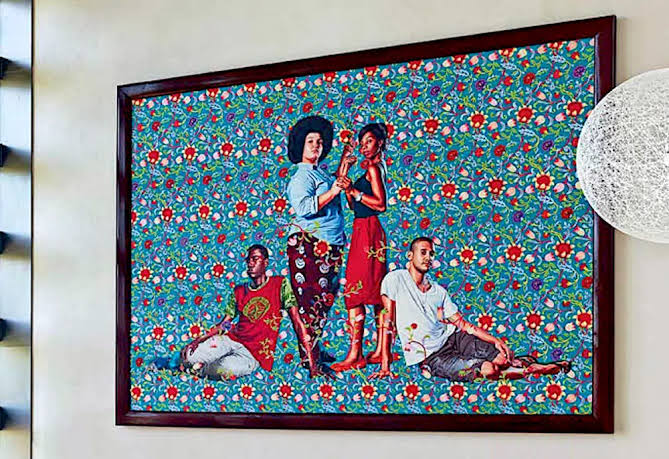
Nigerian-American artist Kehinde Wiley has asked President Donald Trump to allow him to buy back a painting removed from the US Embassy in the Dominican Republic after administration officials criticised the work. Wiley made the request in a September 24 letter addressed to Trump, Secretary of State Marco Rubio, US Ambassador to the Dominican Republic Leah Campos and Erin Scavino, head of the State Department’s Art in Embassies programme.
The painting, Young Artists After Siamesas 1960, was commissioned through the Art in Embassies programme in 2013 and created for the US Embassy in Santo Domingo. Wiley said he spent two years studying Dominican art and worked with four local art students who posed for the composition.
The artwork was removed from the embassy in August after Campos objected to it. Campos described the work as depicting “a picnic in a park with flowers and some lesbians”, while Scavino later called it “aesthetically terrifying” during a podcast interview. Campos also said the administration was moving away from what she described as “globalist and woke ideologies” in favour of American patriotism.
Wiley told The New York Times that the controversy had caused him “deep sadness” and questioned the description of the painting. He said the work showed four young people gathered in a field of flowers and said he was prepared to purchase it if the State Department no longer wanted to display it.
The artist also questioned whether the criticism was influenced by his portrayal of young people of colour and the interpretation of the figures as LGBTQ. “Was it homophobic? It’s possible,” Wiley said, while stressing that such an interpretation involved assumptions about the people depicted. His comments were reported as part of his first public response to the dispute.
The controversy has also been linked to Wiley’s connection to former President Barack Obama, whose official portrait he painted. State Department officials have cited separate comments Wiley made about another artwork and sexual assault allegations against him, which Wiley has denied, when defending the decision to remove his work.
The State Department has said it was consulting its legal representatives to determine whether the painting could be sold and indicated that selling it would be the goal if legally possible. Wiley said he originally accepted the embassy commission because he viewed art as a means of strengthening cultural connections between countries.
The painting dispute comes amid broader changes by the Trump administration to cultural programmes and institutions, including efforts officials have described as addressing liberal or “woke” influences. Wiley is now preparing for his first major US exhibition in about two years, with a solo show scheduled to open in New York in November.