
Abuja Flooding: Airport Road, Lugbe Paralysed as Heavy Rain Leaves Commuters Stranded
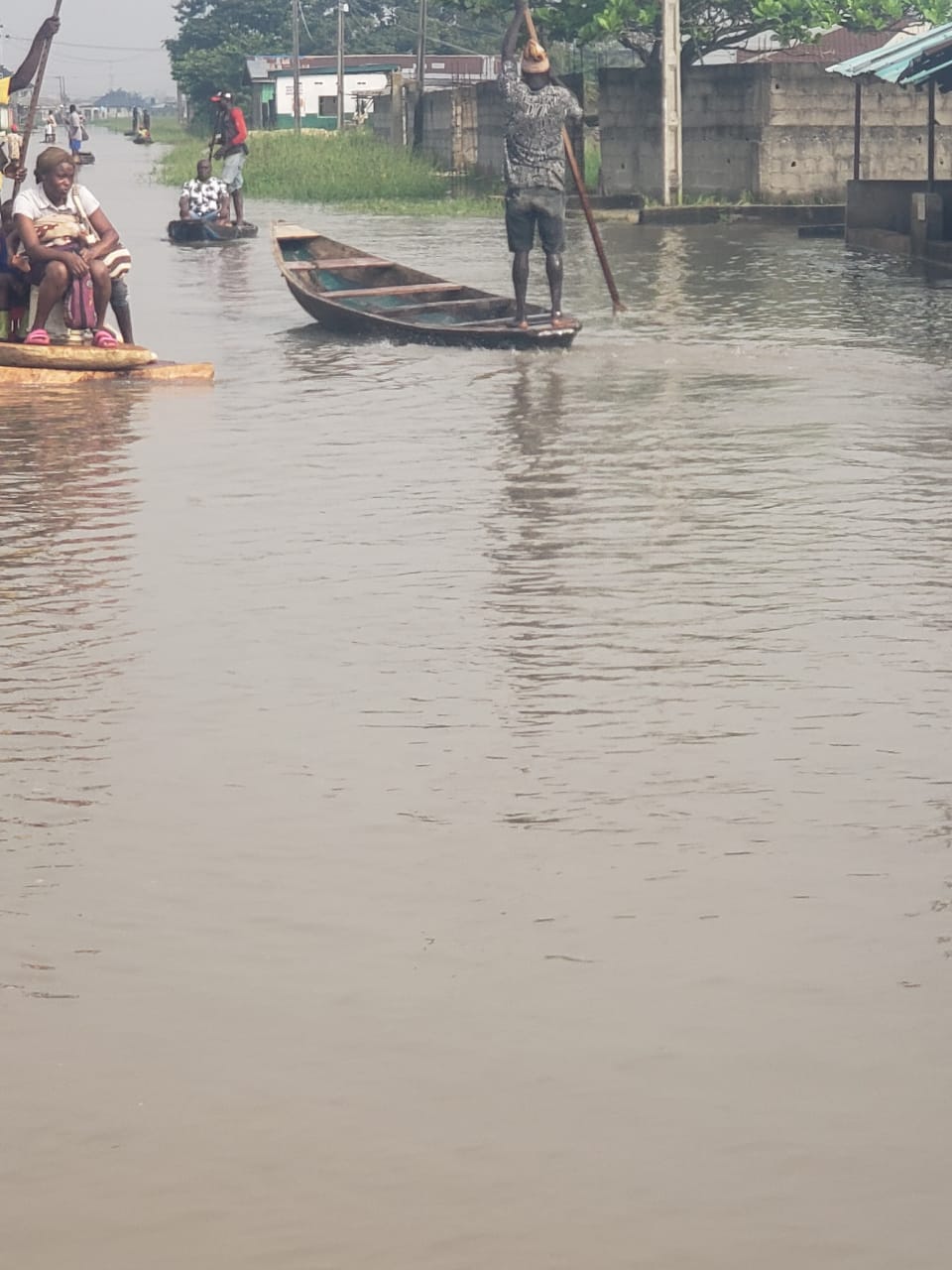
Heavy rainfall has caused major disruption across parts of Abuja, with floodwaters sweeping over key roads and leaving motorists and commuters stranded in several areas of the Federal Capital Territory.
The Airport Road and Lugbe axis were among the worst affected on Tuesday, September 1, with flooding also reported around Nile University Junction, Airport Junction and Wuye.
As water accumulated on major roads, motorists were forced to slow down, abandon some routes or look for alternative passages, worsening traffic along the already busy Airport Road corridor.
For some commuters, the flooding brought their journeys to an abrupt end. A resident, Joy Israel, said the situation was so severe that people travelling from Kuje were forced to stop midway because they could not continue through the affected areas.
Tuesday’s flooding came less than two weeks after similar incidents were reported in parts of Abuja, raising fresh concerns about the recurring problem and the effectiveness of measures being implemented by the FCT Administration.
The latest disruption has also renewed questions over the implementation of the N2.3 trillion 2026 FCT budget, particularly the extent to which spending is improving drainage infrastructure and flood-control measures across the capital.
Residents and other Nigerians who reacted online blamed several factors for the recurring flooding, including inadequate drainage maintenance, unregulated development and the obstruction of natural waterways.
Mustapha Shika argued that poor stormwater drainage maintenance was only part of the problem, saying continued construction on green areas, floodplains and natural water channels had reduced the available pathways for excess water.
Other commenters similarly questioned the development of areas they described as waterways and green spaces, calling for the restoration of natural drainage routes to reduce the impact of future flooding.
The recurring flooding comes as FCT Minister Nyesom Wike’s administration continues efforts to remove structures allegedly built on waterways and drainage channels. The administration has maintained that such obstructions contribute to flooding and that their removal is necessary to restore the free flow of water.
However, Tuesday’s disruption has strengthened calls for a broader response that combines improved drainage infrastructure with stricter enforcement of planning regulations and the restoration of natural waterways across the FCT.