The Trump administration has temporarily paused immigrant visa appointments at US embassies and consulates around the world as Washington rolls out new training aimed at enforcing tougher immigration policies.
A US State Department spokesperson said on Tuesday that consular officers would undergo a global training programme. Visa appointments are being adjusted to accommodate the training, although the department has not given a timeline for when normal scheduling will resume.
The training is expected to help consular officers identify applicants who may become dependent on US public benefits and ensure that visa applications are assessed more thoroughly and consistently.
The move comes as the administration prepares to revoke the B1 and B2 visas of foreign nationals who entered the US as short-term visitors but later applied for asylum. State Department spokesperson Tommy Pigott said obtaining a visa with the intention of seeking asylum could amount to fraud and provide grounds for revocation.
US media reports indicate that potentially hundreds of thousands of visas could be affected. The State Department said more than 175,000 visas belonging to foreign nationals have already been revoked under the Trump administration for reasons including violating visa terms, criminal activity, calls for violence, immigration fraud and national security concerns.
The latest measures follow a series of legal challenges to the administration’s immigration policies. A US judge recently blocked a Trump administration visa ban covering 75 countries, ruling that the policy exceeded the authority granted to Secretary of State Marco Rubio. Another federal judge in June ruled against efforts to halt immigration application processing for nationals of 39 countries.
The administration is also seeking major changes to the H-1B skilled-worker visa programme. The Department of Homeland Security has proposed an additional $103,265 fee for cap-subject H-1B petitions filed by employers. The proposal would be paid by the sponsoring employer and would come on top of existing immigration and visa charges.
The proposed fee would not automatically apply to every H-1B worker or to all extensions, transfers and cap-exempt petitions. DHS said certain nonprofit research organisations, government research organisations and higher-education institutions would be outside the scope of the proposed additional charge.
What the H-1B proposal means for Nigerians
Nigerian professionals could also feel the impact if the proposed fee takes effect. US companies sponsored 880 Nigerian professionals for H-1B specialty-worker visas in 2024, according to data cited by Intelpoint.
The proposed charge could make employers more cautious about sponsoring workers from abroad, particularly smaller businesses that may struggle to absorb such a large additional cost. It could also encourage companies to consider foreign professionals who are already legally in the US under other visa categories.
The H-1B programme allows US employers to hire foreign professionals for specialised jobs. Federal law currently caps the programme at 85,000 visas a year, including 20,000 places reserved for eligible workers with advanced degrees from US institutions.
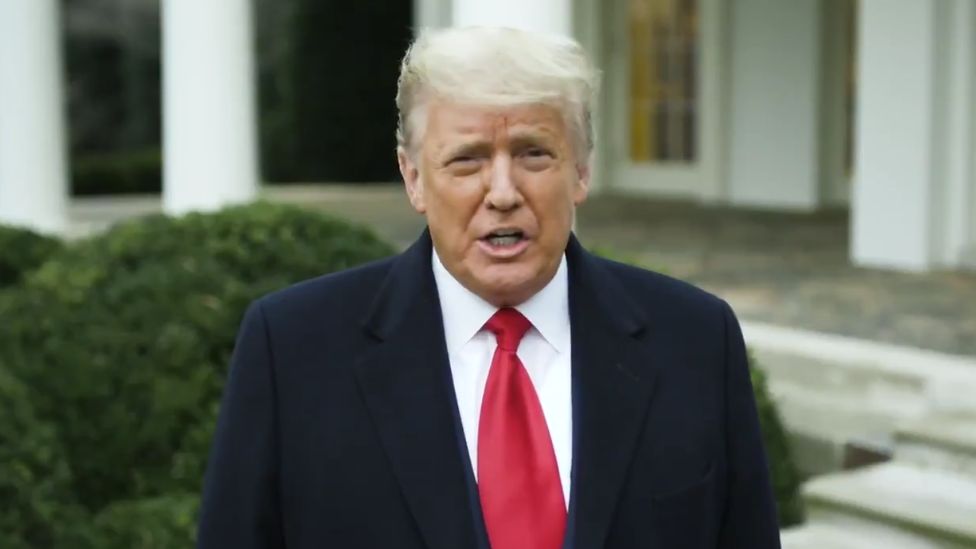
President Trump has argued that the programme can be abused to replace American workers with cheaper foreign labour. His administration has therefore pushed for higher costs as part of its broader effort to prioritise US workers, although employers and unions have challenged the measures in court.
FACEBOOK & LINKEDIN POST
US immigration rules are getting tougher — and Nigerians are among those who could feel the impact. 🇺🇸
The Trump administration has paused immigrant visa appointments worldwide as US embassies and consulates undergo new training on stricter immigration screening.
At the same time, the administration is moving against some B1/B2 visa holders who later applied for asylum and has proposed a $103,265 additional fee for certain H-1B petitions — a move that could affect employers sponsoring skilled foreign workers, including Nigerians.
How far should the US go in tightening its immigration system, and who is likely to bear the biggest cost?