
Nigeria’s government oversight system is facing fresh scrutiny after the discovery of a second organisation allegedly operating as a government agency without proper authorisation from within the federal government structure.
The latest case involves the National Brands Development and Made-in-Nigeria Special Project Office, which the Independent Corrupt Practices and Other Related Offences Commission (ICPC) said was an unauthorised organisation operating from a government building in Abuja.
ICPC Chairman Musa Adamu Aliyu said the organisation was allegedly promoted by George Buchi Nwabueze, who reportedly used different variations of his name. Following a briefing by the commission, President Bola Tinubu ordered Nwabueze’s arrest and suspended three permanent secretaries in the Office of the Secretary to the Government of the Federation.
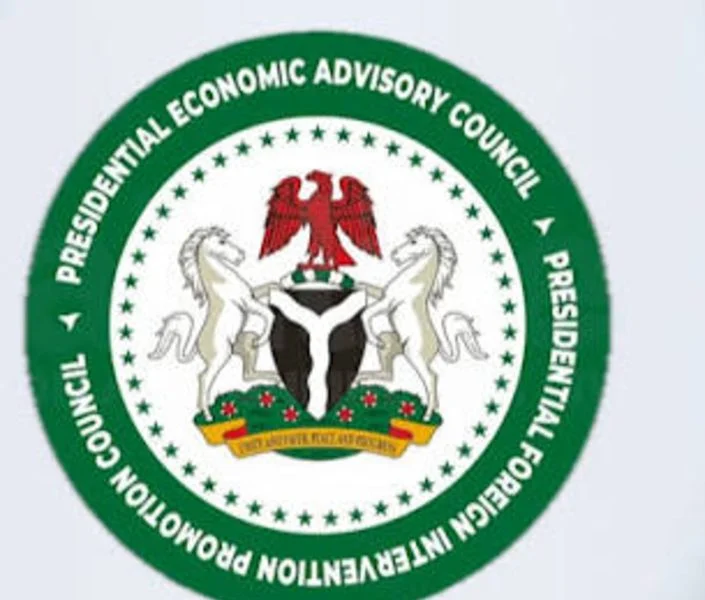
The discovery emerged from an ICPC investigation into the disputed Presidential Foreign Intervention Promotion Council (PFIPC), which was allegedly promoted by Adeniyi Adeyemi Matthew. The organisation reportedly operated from the Federal Secretariat for about two years before the Presidency disowned it as fraudulent.
The developments have triggered concerns over how organisations with government-sounding names, official-looking identities and access to government premises can allegedly operate without being detected. Governance expert Joe Abah said the problem may extend beyond the two organisations currently under scrutiny, warning that some groups could exploit government addresses and branding to gain legitimacy or raise funds.
Political scientist Professor Murtala Muhammad described the situation as more than an alleged case of individual wrongdoing. He called it a “fundamentally a governance and institutional failure”, arguing that weak verification, poor coordination and inadequate oversight can create opportunities for private actors to assume the authority of the state.
Muhammad also raised concerns about the reported attempt by the PFIPC to secure a ₦1.3 billion budgetary allocation. He said the allegation suggested that vulnerabilities could extend beyond administrative structures into the country’s public finance system, making stronger verification and budget controls necessary.
Other public figures have called for a broader investigation. Former Youth and Sports Minister Solomon Dalung questioned how coordinators allegedly operating across about 20 states, as well as representatives in China and the United States, were appointed and recognised. The Executive Director of the Centre for Information Technology and Development, Y. Z. Ya’u, warned that the episode reflected deeper weaknesses in Nigeria’s governance system.
The controversy has also attracted a denial from Nwabueze’s management. The group rejected the description of the Made-in-Nigeria project as a phantom or unauthorised government agency, saying it was an approved public-private initiative anchored on Executive Orders 003 of 2017 and 005 of 2018. It maintained that the project had never presented itself as a statutory civil service agency.
The competing claims now place pressure on government authorities to establish exactly how the organisations operated, who authorised their activities and whether public resources or official structures were accessed. Beyond individual arrests, experts say the response will need to address the institutional gaps that allowed the alleged organisations to gain access and credibility in the first place.