Abia to Host 2026 National Products Fair as Organisers Push Made-in-Nigeria Manufacturing, Trade
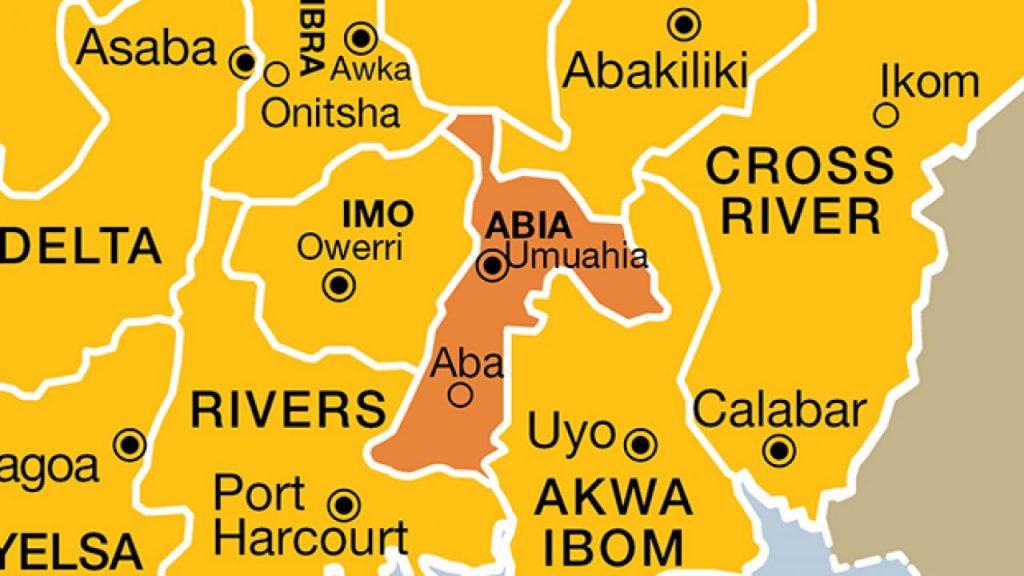
Abia State will take centre stage in Nigeria’s push for stronger local manufacturing when producers, investors, government officials and business leaders gather in Umuahia for the 2026 National Products Fair.
The event, scheduled for September 2026 at the International Conference Centre in Umuahia, is being organised in collaboration with the Abia State Government and the National Brands Development and Made in Nigeria Project Office. It is expected to attract manufacturers, small and medium-sized enterprises, financial institutions, development partners and representatives of government agencies from across the country.
Organisers say the fair will provide a national platform for Nigerian-made products, innovation and investment opportunities while connecting businesses with buyers, investors and potential partners. State governments and other stakeholders have been invited to participate through exhibitions, technical presentations, business meetings and policy discussions.
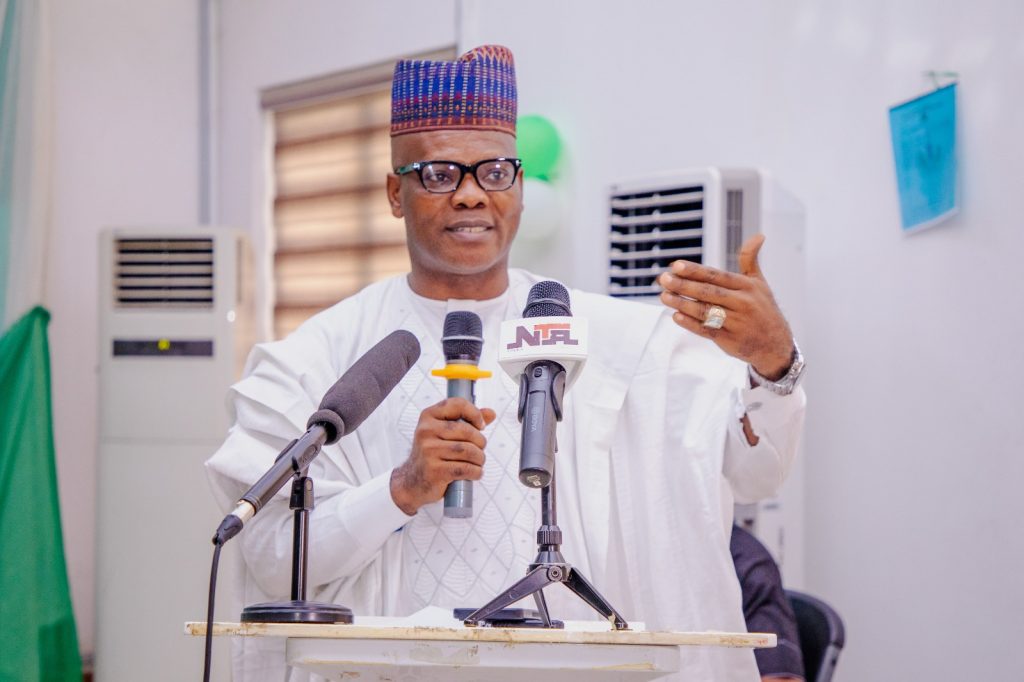
National Coordinator of the Made in Nigeria initiative, Nwabueze Buchi George, said the programme would go beyond showcasing products by highlighting the economic strengths of Nigeria’s different regions and encouraging stronger commercial relationships between them.
“Trade is a tool for healing and unity in Nigeria,” George said, arguing that greater economic interdependence could help shift national conversations away from persistent ethnic and regional suspicion.
He pointed to Aba’s strengths in footwear, garments, leather products, fabrication and small-scale manufacturing, alongside the commercial and distribution power of Onitsha and Lagos. Northern Nigeria and the Middle Belt, he added, remain critical to the country’s agricultural and food supply chains.
George believes stronger trade between these production centres could help Nigerians better understand how closely their livelihoods are connected. “People cannot hate who they buy from and eat from,” he said, calling for greater attention to what different parts of the country contribute to the national economy.
A major focus of the National Products Fair will be whether Nigerian businesses can improve their competitiveness rather than simply depend on appeals for consumers to patronise locally made goods.
George said manufacturers must continue improving product quality, packaging, consistency, certification and other standards required to compete in larger domestic and international markets.
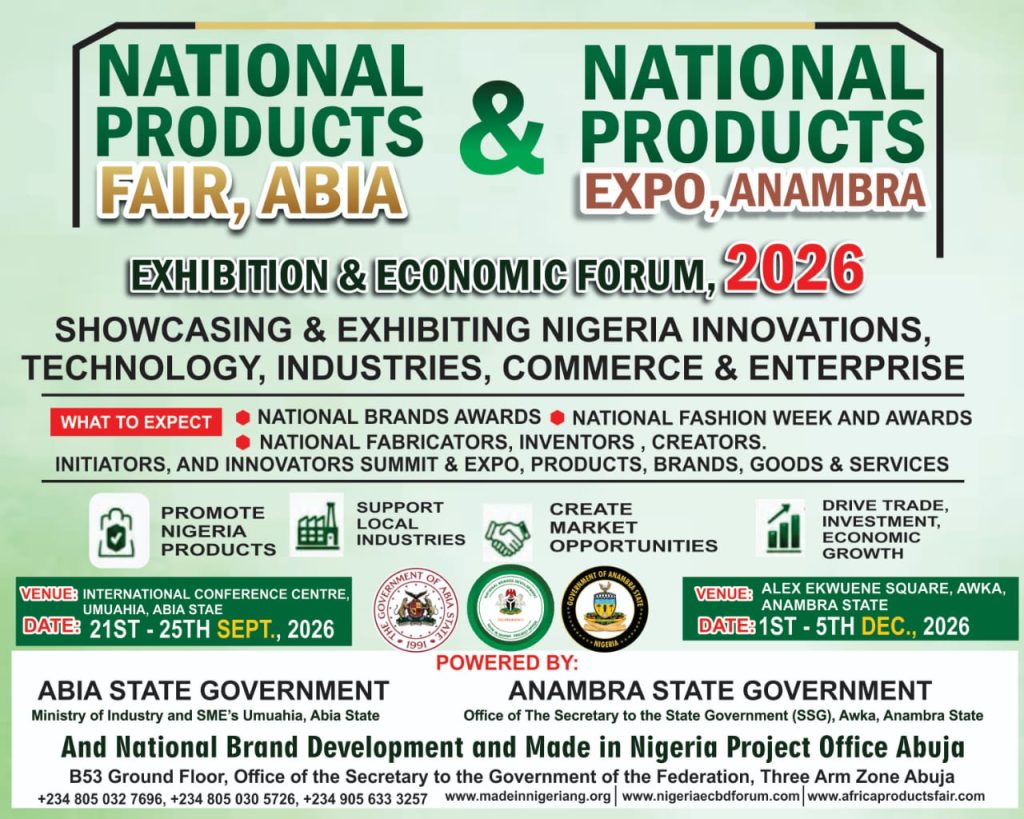
The fair is therefore expected to bring together entrepreneurs, manufacturers, fabricators, inventors, innovators and service providers, with business-to-business engagements designed to create practical opportunities beyond product exhibitions.
Abia’s selection as host gives the event particular significance. Aba is one of Nigeria’s best-known indigenous manufacturing centres, with producers supplying footwear, clothing, leather goods and fabricated products to markets within Nigeria and neighbouring countries.
George said giving such businesses greater visibility should be accompanied by support that helps them improve production standards, reach new customers and position themselves for international markets.
The National Products Fair also fits into George’s wider campaign to change how Nigerian products are presented at home and abroad.
Having moved over the years from entertainment and event promotion into investment promotion, business development and international trade, much of his recent work has focused on increasing the visibility of Made-in-Nigeria products and connecting local businesses with larger markets.
He argues that Nigeria’s international image should be shaped not only by its political and social challenges but also by the goods, ideas and businesses its people create.
Organisers say the Umuahia gathering will ultimately be judged by the commercial relationships it creates — whether manufacturers find buyers, businesses secure investment, products reach new markets and stronger trade links develop between different parts of the country.
For the 2026 National Products Fair, the ambition is therefore larger than filling exhibition stands. It is to make Nigerian production more visible, more competitive and more connected.