
Yaoundé Cultural Marathon Aims to Turn Cameroon’s Capital Into Global Heritage Showcase
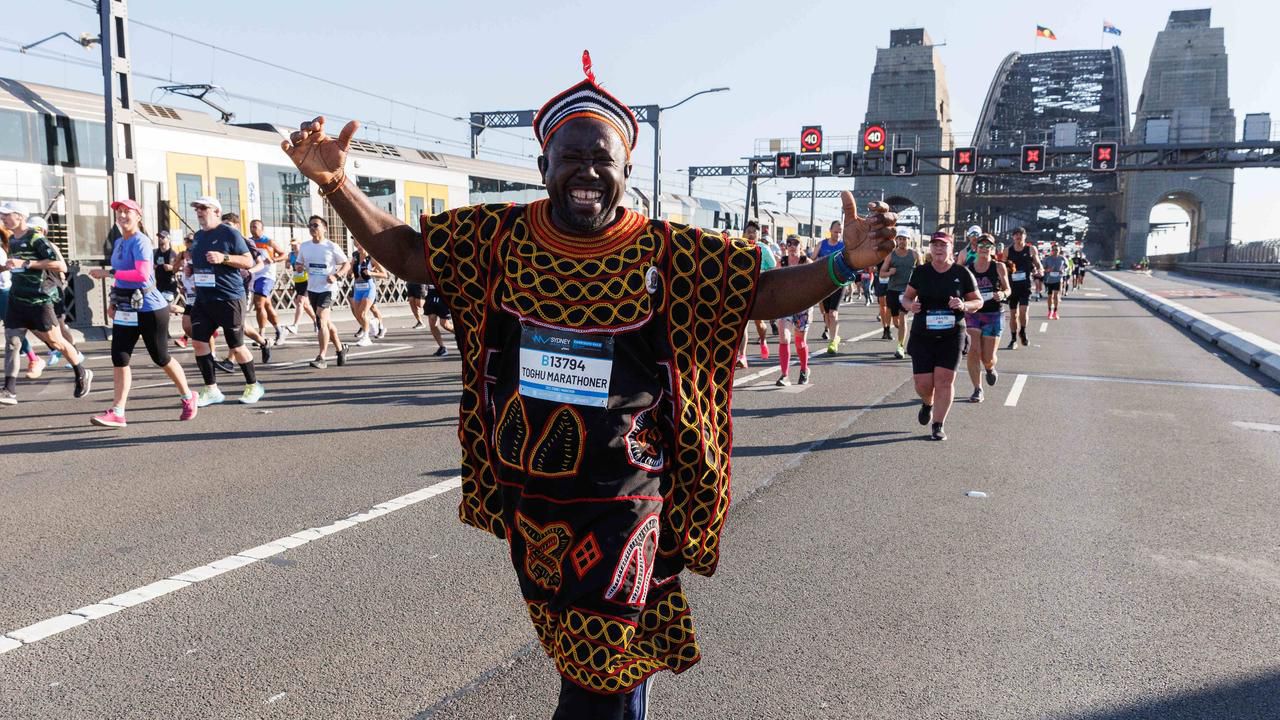
Yaoundé’s streets were billed to become a moving gallery of colour, heritage and athleticism as organisers outlined plans for the inaugural Yaoundé Cultural Marathon, scheduled for July 18, 2026.
Created by Cameroonian endurance athlete Afowiri Kizito Fondzenyuy, widely known as the Toghu Marathoner, the event was designed to combine road racing with tourism, cultural expression and social inclusion. Organisers described it as Africa’s first cultural marathon, with participants encouraged to wear clothing inspired by their heritage.
Traditional fabrics, regional patterns, cultural symbols and modern versions of ceremonial attire were expected to feature along the route. Runners from outside Cameroon were also invited to represent their own cultures, turning the race into an international celebration rather than a conventional sporting contest.
The programme included a flagship 10-kilometre Cultural Race, a 5K Cultural Run, a Children’s 2K Fun Run and a veterans’ category for participants aged 40 and above. A Neurodivergent Children’s Inclusion Run and an Inclusive Walk were also introduced to accommodate people with disabilities and participants who preferred a non-competitive experience.
The marathon grew from Fondzenyuy’s use of Toghu-inspired clothing during international endurance races. His appearances helped draw attention to Cameroonian culture while supporting causes linked to autism awareness, education and community development.
Plans for the Yaoundé event were announced publicly on July 23, 2025, during a ceremony at the National Museum of Cameroon. At the event, Fondzenyuy donated the Toghu outfit, running shoes and Guinness World Records materials connected to his performance at the 2024 Tokyo Marathon, which he completed in four hours, 24 minutes and two seconds.
“This is a legacy. This is telling the story for the present and the future,” he said at the museum ceremony. Fondzenyuy explained that the marathon was intended to give ordinary people an opportunity to celebrate their identities while sharing their cultural stories with runners, families and visitors.
Organisers acknowledged that staging the first edition would require careful coordination of security, medical support, hydration points, volunteers, accessibility and route management. Fondzenyuy said the goal was not to organise a one-off race but to build an event capable of earning public trust and returning every year.
Beyond the sporting contest, the marathon was expected to create opportunities for hotels, transport operators, fashion designers, performers and tourism businesses. Its long-term success, however, would depend on whether organisers could translate the strength of the cultural idea into a safe, inclusive and professionally managed international event.
Latest Video
Nigeria vs Madagascar: Can The Super Eagles Win Without Osimhen?
Follow OtownGist Sports
Get the latest stories, videos and conversations directly on the platforms you use.