
US Launches Fresh Strikes on Iran as Trump Declares Ceasefire ‘Over’
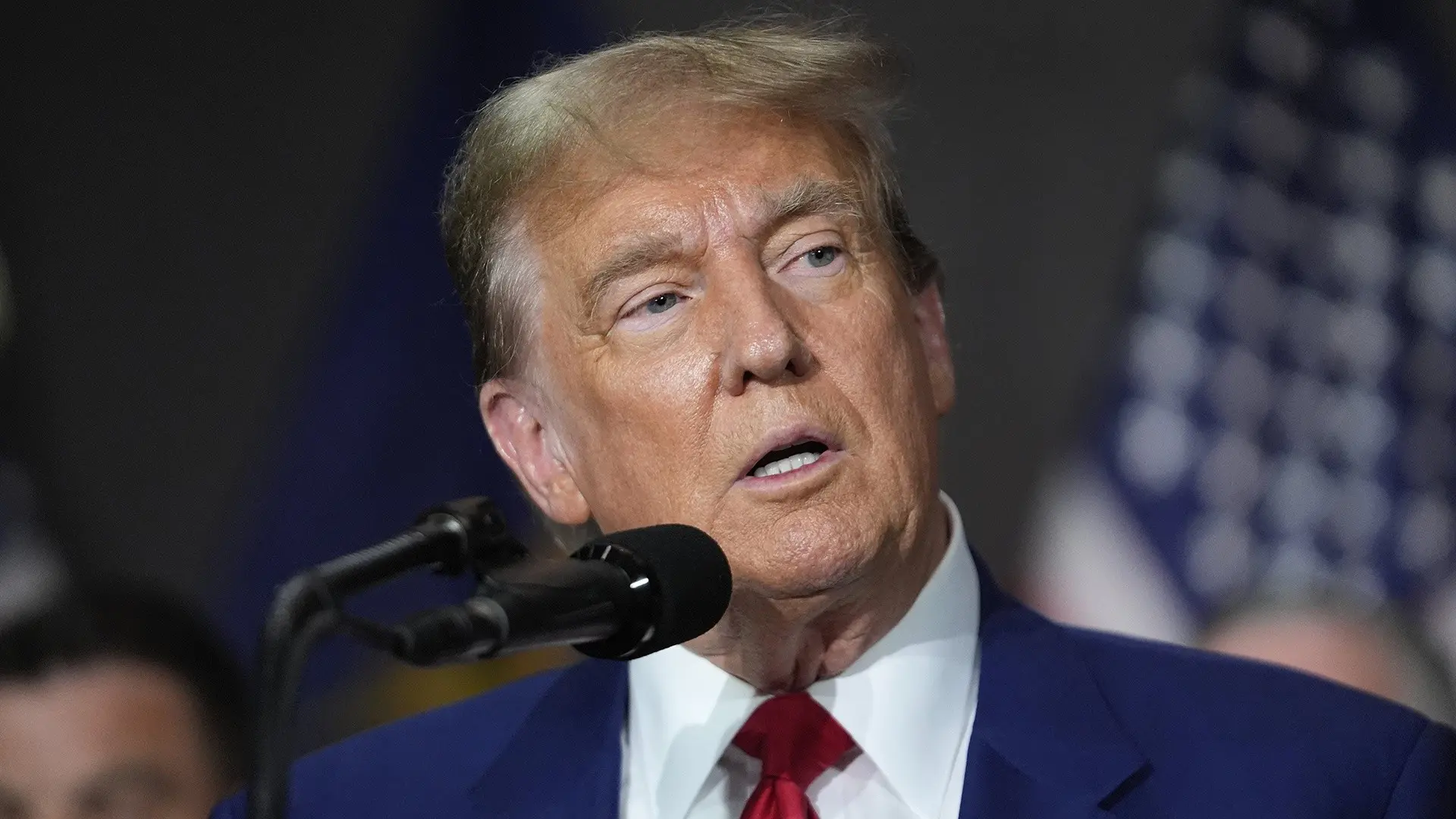
Tensions in the Middle East escalated sharply on Wednesday after the United States military launched a fresh wave of strikes against Iran, with President Donald Trump declaring that the temporary ceasefire between the two countries was effectively over.
The U.S. Central Command (CENTCOM) said the latest operation was aimed at weakening Iran’s ability to threaten commercial shipping in the Strait of Hormuz, one of the world’s most important oil transit routes.
In a statement posted on X, CENTCOM said the strikes were carried out to hold Iran accountable for what it described as recent attacks on commercial vessels and civilian crews navigating the strategic waterway.
President Trump defended the military action, describing it as retaliation for what he called Iran’s bombing of commercial ships a day earlier.
“We hit them very hard last night, and we’ll probably hit them hard again tonight,” Trump told reporters during the NATO summit. He later warned on Truth Social that if Iran launched further attacks, the U.S. response would be even stronger.
Trump also signalled a tougher stance against Tehran, saying he no longer considered the interim peace agreement effective. He threatened additional strikes on Iranian infrastructure and suggested the United States could target Kharg Island, Iran’s main oil export terminal, although he noted that oil facilities had been spared during earlier operations.
The renewed confrontation follows overnight attacks in which Iran reportedly targeted U.S. military installations in Bahrain and Kuwait after American forces struck Iranian positions linked to attacks on vessels in the Strait of Hormuz. Authorities in both Gulf nations said incoming missiles and drones were intercepted, with no significant damage reported.
Iran, however, rejected Washington’s accusations. Parliamentary Speaker Mohammad Bagher Ghalibaf accused the United States of violating the interim agreement through renewed sanctions on Iranian oil exports and continued military threats, insisting Tehran would not bow to pressure.
Earlier on Tuesday, CENTCOM announced it had struck more than 80 military targets across Iran, including air defence systems, command centres, coastal radar installations, anti-ship missile sites and dozens of vessels linked to the Islamic Revolutionary Guard Corps (IRGC). The U.S. said the operation was intended to reduce Iran’s ability to attack international shipping.
The latest exchange of strikes has heightened fears of wider regional instability. NATO Secretary General Mark Rutte backed the U.S. action, describing it as necessary to protect freedom of navigation, while European Union foreign policy chief Kaja Kallas called for restraint, warning that continued hostilities could derail diplomatic efforts and further disrupt global energy supplies.
The growing uncertainty has already affected global markets. Brent crude oil climbed above $79 per barrel after the latest military developments, while maritime authorities raised the security threat level in the Strait of Hormuz to “severe.” The International Maritime Organization (IMO) also warned that thousands of seafarers remain stranded in the region as security risks continue to mount.