
Rowdy Reps Session as Lawmakers Clash Over Bid to Summon Tinubu on 2025 Budget Implementation
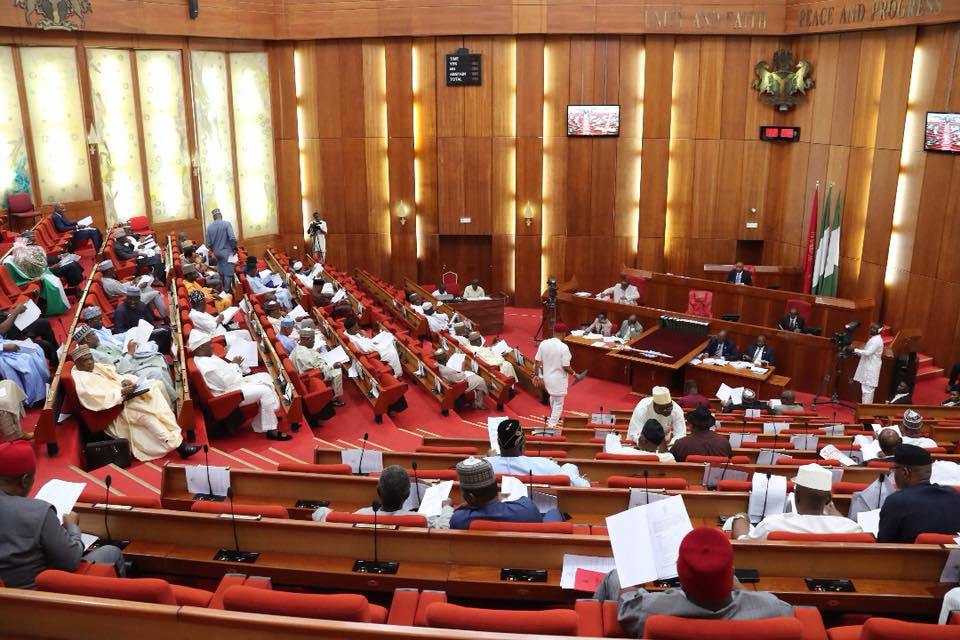
Tempers flared in the House of Representatives on Wednesday as lawmakers engaged in a heated exchange over a proposal to invite President Bola Tinubu to explain the poor implementation of the 2025 budget and the persistent delay in releasing funds to ministries, departments and agencies (MDAs).
The dramatic session began when Benedict Etanabene, who represents Okpe/Sapele/Uvwie Federal Constituency of Delta State, raised the issue under a matter of personal explanation. He urged the House to invite the President to account for what he described as the failure to effectively implement budgets despite the National Assembly approving trillions of naira in public spending.
Speaker Abbas Tajudeen ruled that the matter could not be debated because House rules do not permit discussions on issues raised under personal explanation. His decision immediately sparked protests from some lawmakers, briefly disrupting proceedings.
The debate resurfaced moments later after Alex Ikwechegh, representing Aba North and South Federal Constituency, introduced a motion under matters of urgent public importance. He argued that the National Assembly’s constitutional power of appropriation extends beyond approving budgets to ensuring that allocated funds are released and properly utilised.
Ikwechegh told the House that ongoing 2026 budget defence sessions had exposed widespread failures in implementing the 2025 budget. According to him, several MDAs informed lawmakers that they received little or no capital funding despite approved appropriations, while many contractors remained unpaid for completed government projects.
He recalled that President Tinubu had previously directed the settlement of verified contractor liabilities estimated at ₦1.5 trillion, with the Federal Executive Council approving ₦1 trillion to begin clearing the backlog. However, he said many contractors were still awaiting payment, resulting in abandoned projects, financial hardship and mounting economic pressure.
During his presentation, Ikwechegh went beyond the written motion and urged lawmakers to invite President Tinubu to personally explain why budget approvals had not translated into improved infrastructure, security and project delivery.
The proposal divided the chamber. While some lawmakers backed the idea, Yusuf Gagdi argued that parliamentary oversight should first focus on ministers and heads of agencies directly responsible for implementing government policies rather than summoning the President. His remarks triggered loud interruptions, with some members shouting him down as the chamber descended into another rowdy session.
After debate, the House adopted the substantive motion through a voice vote and resolved to establish an ad hoc committee to investigate the implementation of the 2025 budget. However, Speaker Tajudeen clarified that the motion approved by lawmakers did not include any resolution to summon President Tinubu.
The clarification sparked fresh disagreement after Ikwechegh insisted that his intention was to have the President appear before the House. The Speaker rejected the claim, explaining that presiding officers are bound by the official written motion submitted before debate and not by verbal additions made during proceedings. Deputy Speaker Benjamin Kalu supported the ruling, noting that no formal amendment seeking to invite the President had been presented or adopted before the vote.
Closing the session, Tajudeen cautioned lawmakers against departing from officially submitted motions, describing the incident as contrary to parliamentary practice. He urged members to adhere strictly to legislative procedures to preserve the integrity of House proceedings.