
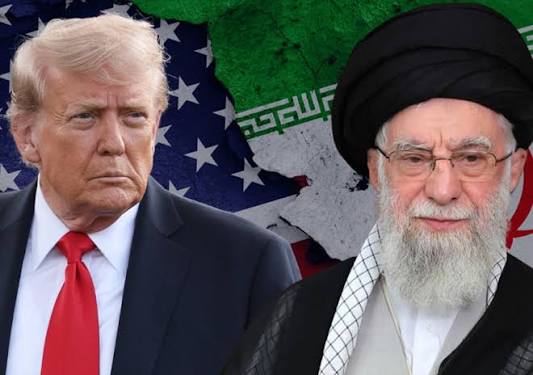
Fresh attacks between the United States and Iran have intensified fears of a wider regional conflict, with renewed strikes around the Strait of Hormuz pushing global oil prices to their highest level in more than a month and raising concerns over international shipping.
Brent crude climbed above $91 per barrel on Monday, its highest level since June 11, as tensions mounted over the strategic waterway that carries roughly one-fifth of the world’s oil supply. The latest escalation came as Washington confirmed three additional American military deaths, bringing the total number of US service members killed since the conflict began on February 28 to 17.
Iran’s Revolutionary Guards claimed that two oil tankers attempting to pass through the Strait of Hormuz exploded and were forced to stop, while two other vessels reportedly abandoned their journey. Separately, the United Kingdom Maritime Trade Operations (UKMTO) said a ship caught fire in the strait, although the cause of the incident has not yet been confirmed.
The renewed attacks have further strained efforts to restore a ceasefire after a preliminary agreement aimed at ending the conflict collapsed. Since fighting resumed, Iran has increased pressure on US interests across the Middle East while using the Strait of Hormuz as a strategic point of leverage.
US Secretary of State Marco Rubio accused Iran of attempting to use the waterway to influence the global economy and urged other nations to share responsibility for securing international shipping routes. He said the United States would continue protecting commercial vessels but called on allies to provide greater financial and military support.
The US Central Command (CENTCOM) announced that it had completed a ninth consecutive night of military operations against Iranian targets. According to the command, the strikes were designed to weaken Iran’s ability to threaten commercial ships and civilian mariners operating in the Strait of Hormuz.
Meanwhile, Iran said it launched overnight attacks on military targets in Syria, Jordan and Kuwait. The Revolutionary Guards claimed they struck a special operations command centre in Syria’s Al-Tanf region, targeted US military aircraft stationed at Jordan’s Aqaba Airport with ballistic missiles, and destroyed an early-warning radar system in Kuwait. Kuwaiti authorities confirmed that their air defence systems responded to hostile drone activity, while Bahrain activated air raid sirens and advised residents to seek shelter.
US President Donald Trump said the latest American strikes had “hit them very hard” following the deaths of US troops. Iran’s Health Ministry also reported that at least 50 people had been killed and more than 500 injured in the latest round of fighting. Despite the escalating violence, Rubio maintained that Washington remains open to diplomacy, insisting any future agreement must be respected by both sides.
Here are the matching social media assets.