
UN Warns DR Congo Ebola Outbreak Could Wipe Out Thousands of Jobs, Cost Africa $3.6 Billion
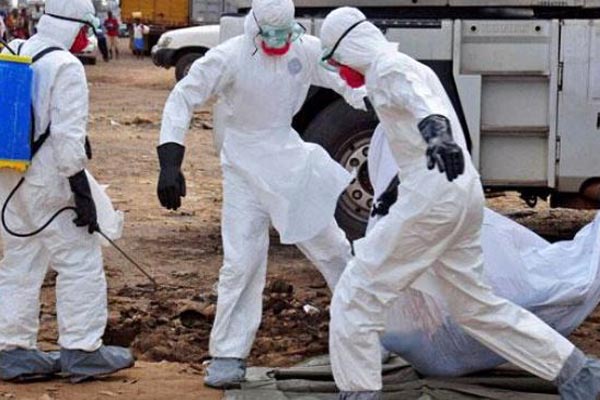
The United Nations has warned that the ongoing Ebola outbreak in the Democratic Republic of Congo (DRC) could trigger a major economic crisis across Africa, threatening tens of thousands of jobs and pushing nearly one million more people into poverty.
In a statement released on Tuesday, the United Nations Development Programme (UNDP) said the outbreak has evolved beyond a public health emergency, with severe consequences for livelihoods, education, healthcare and regional trade.
According to the agency, the epidemic could force an estimated 985,000 additional people into poverty, with women expected to bear the greatest burden. The economic impact is projected to extend beyond the DRC, affecting neighbouring countries including Uganda, Rwanda and South Sudan.
UNDP warned that while quarantine measures and disease containment efforts remain essential, restrictions on travel and trade are unintentionally damaging local economies and disrupting informal businesses that millions of people depend on for survival.
Latest figures from the World Health Organization show that the DRC has recorded 1,333 confirmed Ebola cases, 399 deaths, and 189 recoveries since the outbreak began. Uganda has also confirmed 20 cases, raising fears of wider regional transmission.
UNDP Africa Regional Director Ahunna Eziakonwa said the crisis extends far beyond hospitals.
“Ebola does not stop at the hospital gate. It affects livelihoods, education, food security, trade, public finances and trust. If we treat this Ebola outbreak solely as a health challenge, we risk missing the much larger development emergency unfolding around it.”
Even if the outbreak is successfully contained within the DRC and Uganda, the agency estimates the DRC alone could suffer more than $1 billion in real GDP losses and lose approximately 55,000 jobs. Across Africa, disruptions to trade, transport, border activities and consumer confidence could reduce the continent’s GDP by as much as $2.37 billion, with the total economic impact potentially rising to $3.6 billion if the crisis worsens.
To reduce the humanitarian and economic fallout, UNDP called for direct cash support for vulnerable households, targeted health screening instead of blanket border closures, and emergency funding to sustain maternal, reproductive and infant healthcare services during the outbreak.
The current outbreak is centred in the conflict-affected Ituri Province of eastern DRC and is caused by the Bundibugyo strain of the Ebola virus, for which there is currently no approved vaccine or specific treatment.