
‘Without Funmilayo Ransome-Kuti, There Would Be No Fela’ — Seun Kuti Speaks on Privilege and Greatness
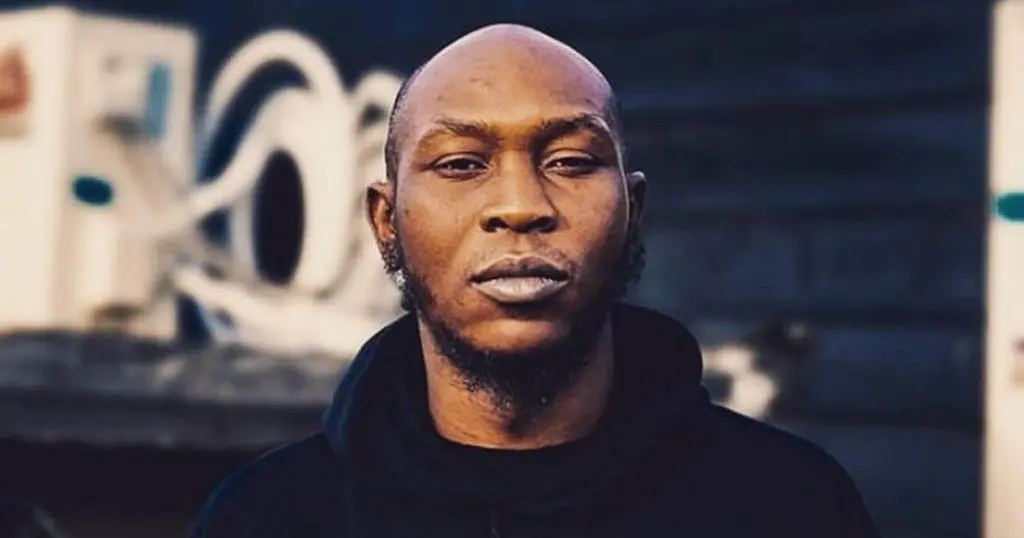
Afrobeat star Seun Kuti has sparked debate after arguing that his legendary father, Fela Anikulapo-Kuti, benefited from privilege and may never have achieved global fame without the influence of his family background.
The Grammy-nominated musician made the remarks during a recent interview on Ada’s Room, where he reflected on the role family connections play in shaping success and opportunities.
According to Seun, Fela’s status as the son of renowned nationalist, educator, and women’s rights activist Funmilayo Ransome-Kuti gave him access to opportunities and visibility that helped shape his journey to becoming one of Africa’s most influential musicians.
While acknowledging his father’s extraordinary talent and determination, Seun insisted that greatness does not emerge in isolation and that background often plays a significant role in an individual’s success.
“In life, nothing comes from nothing. Even my father; Fela cannot be as great as he is if he wasn’t Funmilayo Ransome-Kuti’s son. If Fela was not born by Funmilayo Ransome-Kuti, there would be no Fela. You would never have heard about him,” he said.
Despite highlighting the advantages of family connections, Seun stressed that privilege alone does not guarantee success. He explained that members of the Kuti family are taught from an early age that hard work remains essential regardless of their surname.
The singer also addressed frequent discussions about nepotism in entertainment, admitting that being the son of a global icon can open doors. However, he argued that such opportunities come with intense expectations and pressure.
“I can be a Nepo baby but my father is not on stage playing my sax or writing my songs or touring with me,” he said.
According to Seun, carrying the Kuti name creates a unique challenge because audiences and industry stakeholders immediately compare him to his father’s achievements rather than allowing him to develop at his own pace.
“The fact that you are from a great family, people expect you to have that greatness. Nobody in the professional world wants to be patient with you and watch you grow or invest in you as an artiste,” he explained.
His comments have since generated discussion online, with some agreeing that social privilege often influences success, while others argue that Fela’s enduring legacy was ultimately built on talent, activism, innovation, and resilience.
Fela remains one of Africa’s most celebrated cultural figures, credited with creating the Afrobeat genre and using music as a platform to challenge political oppression and social injustice throughout his career.