
Venezuela Earthquake: Families Plead for Faster Rescue as Death Toll Climbs Above 1,700
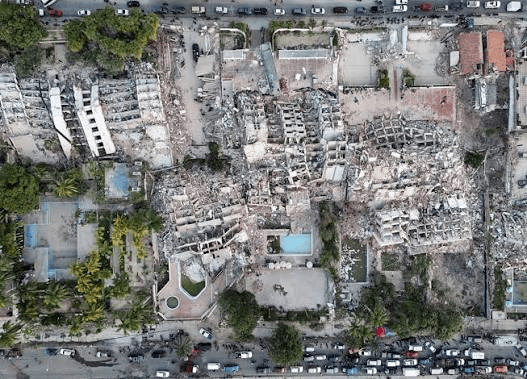
Grief and desperation continue to grip Venezuela as families search for loved ones trapped beneath collapsed buildings following the twin earthquakes that have claimed at least 1,700 lives.
Rescue workers in the coastal town of La Guaira are racing against time, pausing repeatedly to listen for signs of life beneath the rubble of destroyed apartment blocks. Every call for silence raises hopes that another survivor may be found, but for many waiting families, those moments often end in heartbreaking disappointment.
The devastating earthquakes struck Venezuela last Wednesday, leaving widespread destruction across several communities. Interim President Delcy Rodríguez described the disaster as the most severe natural catastrophe in the country’s history.
Outside the remains of a collapsed 12-storey residential building, Miguel Oscar Nunez waits anxiously for news of his 34-year-old son, Angel, who was inside when the structure gave way.
“My son, like hundreds of others, is trapped under the rubble. We need more support from the authorities urgently to dig them out. It’s possible the earthquake did not kill him, but negligence could,” he said.
Another resident, Kevin Montilla, is searching for his wife, Luzmary, and their 16-year-old daughter, Jhoerliyzmar, who were at home when the earthquake struck. He criticised what he described as the slow pace of the official emergency response.
“The rescue operation started very late. At first, it was only residents who came to help. The government’s response has been frustrating and ineffective,” he said.
Although rescue teams from Venezuela and neighbouring Colombia have since deployed heavy machinery, including cranes and excavators, many families insist that critical hours were lost before organised rescue operations began.
The frustration is echoed in other parts of La Guaira, where residents say some devastated communities have yet to receive any official rescue assistance.
At a local hospital, Deilisbeth Herreira searched desperately for information about her daughters, 12-year-old Greydelys and 13-year-old Graybelys, who were believed to be at home during the earthquake.
“I have help from no one. No rescuers or machines have been sent to dig through the rubble. It’s like you’ve been left alone to find your loved ones,” she said through tears.
Elsewhere, volunteers armed with shovels, crowbars and even their bare hands continued searching through the remains of collapsed apartment blocks at the Bello Horizonte housing complex.
William Rodrigues, who is searching for his uncle, said residents refused to stop digging despite the overwhelming conditions.
“The smell is terrible, but we cannot give up while there’s still a chance someone is alive,” he said.
Sixty-year-old Juan Avendo recalled hearing desperate cries for help shortly after the earthquake. Alongside his nephew, he managed to rescue one woman alive after locating her beneath the debris and giving her water before pulling her to safety.
According to residents, the first official rescue teams did not reach the area until nearly two days after the disaster. Firefighters from Venezuela were later joined by teams from El Salvador and the United States before authorities officially ended rescue operations on Sunday.
Many families fear that hundreds of victims remain buried beneath the rubble, raising concerns that the true scale of Venezuela’s deadliest earthquake in recent history may never be fully known.