
US, Iran Agree to De-escalate as Ceasefire Holds, Doha Talks Expected
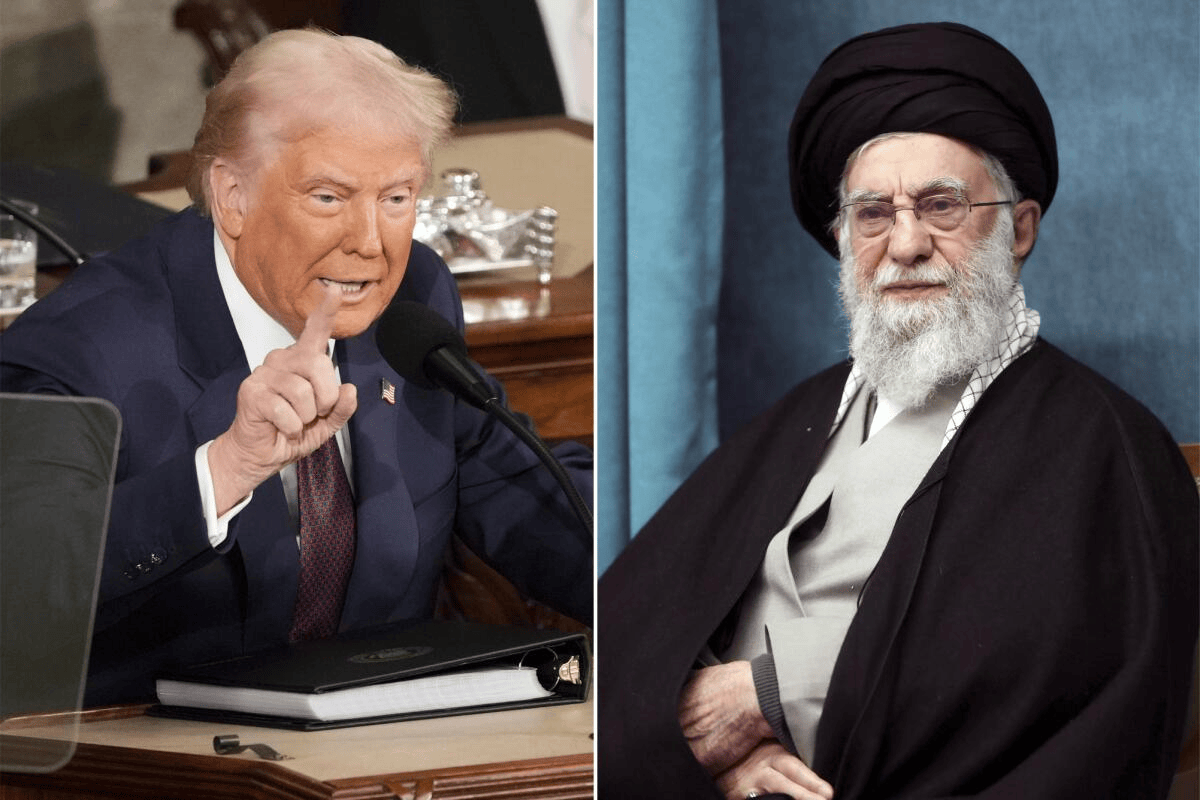
The United States and Iran have agreed to ease tensions after days of military exchanges that threatened a fragile ceasefire, with both sides reportedly committing to de-escalation while diplomatic efforts continue.
According to reports citing a US official, Washington and Tehran have agreed to “stand down” following recent strikes that raised fears of a wider regional conflict. The development comes after both countries accused each other of violating a ceasefire reached less than two weeks ago.
The official told CBS News that commercial vessels would once again be able to navigate the Strait of Hormuz freely, while negotiations aimed at securing a permanent end to hostilities would continue.
Despite the reported breakthrough, uncertainty remains over the next round of talks. Iran’s Deputy Foreign Minister, Kazem Gharibabadi, said on Monday that there were no plans for technical discussions this week.
However, US President Donald Trump announced that Iran had requested a meeting, saying senior officials would gather in Doha, Qatar, to continue negotiations.
“IRAN HAS REQUESTED A MEETING. IT WILL TAKE PLACE TOMORROW IN DOHA!” Trump wrote on his Truth Social platform, without providing further details.
White House Press Secretary Karoline Leavitt later confirmed that US Special Envoy Steve Witkoff and President Trump’s son-in-law, Jared Kushner, would travel to Doha for high-level discussions on the Memorandum of Understanding (MoU) signed by both countries on June 17.
The 14-point agreement called for the immediate and permanent cessation of military operations and included Iran’s commitment to facilitate the safe passage of commercial vessels through the Strait of Hormuz for 60 days without charge.
The ceasefire, however, has faced repeated challenges. Fighting resumed last Thursday after an Iranian projectile struck a cargo vessel in the Strait of Hormuz, prompting the United States to launch retaliatory strikes against multiple Iranian targets.
Iran later responded by launching missiles toward US military bases in Kuwait and Bahrain. US officials said the attacks failed to reach their targets and caused neither casualties nor damage.
The Strait of Hormuz remains one of the world’s most strategically important maritime routes, carrying a significant share of global oil and gas exports. Tensions around the waterway have intensified since Iran restricted access following joint US and Israeli military operations earlier this year.
Meanwhile, diplomatic efforts are also underway to reduce tensions elsewhere in the region. The United States recently brokered a framework agreement between Israel and Lebanon aimed at establishing a lasting peace.
However, that agreement has already come under pressure after Hezbollah rejected the deal, accusing the Lebanese government of compromising national sovereignty. Israel later confirmed it had destroyed a tunnel allegedly used by Hezbollah in southern Lebanon, an operation it said was coordinated with US officials beforehand.
With negotiations continuing in Doha and military activity showing signs of easing, international observers remain cautiously optimistic that both Washington and Tehran can prevent another escalation in an already volatile Middle East.