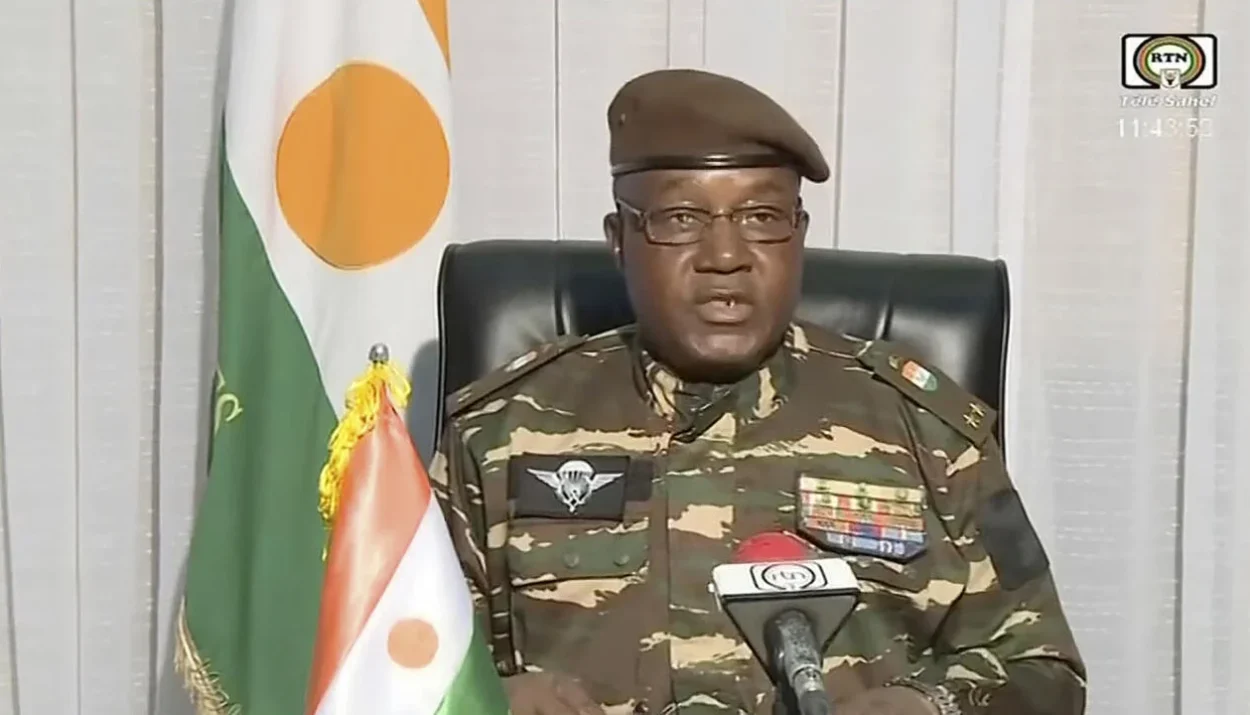

Niger has officially submitted its request to withdraw from the International Criminal Court (ICC), marking a significant step in the military-led government’s effort to distance itself from Western-backed international institutions.
The Hague-based court confirmed on Tuesday that it received Niger’s formal instrument of withdrawal on June 18, nearly nine months after the country announced its intention to leave alongside fellow Sahel nations Mali and Burkina Faso.
The three countries, all governed by military administrations that seized power through coups between 2020 and 2023, have increasingly pursued a common political and security agenda while reducing ties with Western powers and regional blocs.
Their decision to leave the ICC was first announced in September 2025, when the three governments jointly accused the court of serving as an “instrument of neo-colonial repression in the hands of imperialism.”
According to the ICC, Niger’s withdrawal will officially take effect on June 18, 2027, in line with treaty provisions requiring a one-year notice period after formal notification.
Until that date, Niger remains legally bound by its obligations under the Rome Statute, the treaty that established the international court.
Responding to the development, the ICC said it respected the sovereign right of nations to join or withdraw from international agreements but expressed disappointment over Niger’s decision.
“While joining or withdrawing from a treaty remains a sovereign right of States under international law, we regret any decision to depart from the collective effort to end impunity for the most serious international crimes,” the court said.
The ICC statement did not indicate whether Mali and Burkina Faso have completed similar formal withdrawal procedures.
Founded in 2002, the International Criminal Court was established to investigate and prosecute individuals accused of the world’s gravest crimes, including war crimes, crimes against humanity, and genocide, particularly when national authorities are unwilling or unable to act.
The court currently has 125 member states. However, several major powers, including the United States, Russia, China, Israel, and Myanmar, are not parties to the Rome Statute.
Niger, Mali, and Burkina Faso continue to face persistent security challenges linked to insurgent groups affiliated with Al-Qaeda and the Islamic State. At the same time, human rights organisations have repeatedly raised concerns over allegations of abuses against civilians by security forces operating in the region.
The latest move underscores the widening political shift taking place across the Sahel, where military governments are increasingly redefining their relationships with international institutions and traditional Western allies.