
Hollywood Director Carl Erik Rinsch Jailed for Defrauding Netflix of $11 Million
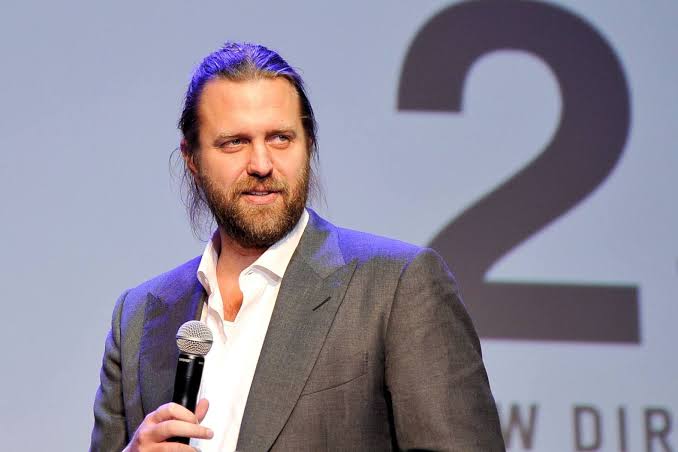
Hollywood filmmaker Carl Erik Rinsch, best known for directing the 2013 action film 47 Ronin, has been sentenced to two and a half years in prison after being convicted of defrauding Netflix of $11 million meant for a television series.
A US federal court found that the 48-year-old diverted production funds provided by the streaming giant to finance a lavish lifestyle instead of completing the science fiction series, originally titled White Horse.
Judge Jay Rakoff sentenced Rinsch to 30 months in prison, followed by three years of supervised release. He was also ordered to forfeit $11 million and pay a $700 fine.
Before sentencing, Rinsch apologised to the court and accepted responsibility for his actions.
“Today’s sentence sends a deterrent message: Fraud will not be tolerated,” US Attorney Jay Clayton said after the ruling.
According to prosecutors, Netflix invested about $55 million in the unfinished project, including an additional $11 million that Rinsch claimed was needed to complete production.
Instead of using the money for the series, prosecutors said Rinsch transferred the funds into a personal bank account and invested heavily in financial markets, losing nearly half of the money within a few months.
He later made profits through cryptocurrency trading but spent large sums on luxury items, including Rolls-Royce vehicles, expensive mattresses worth hundreds of thousands of dollars, and other personal purchases.
During the week-long trial in New York, Netflix executives testified that the company had only commissioned one season of the show and that Rinsch failed to deliver the completed production despite receiving substantial funding.
Rinsch took the witness stand in his own defence, arguing that the dispute stemmed from a misunderstanding. He claimed he believed the money was intended to sustain production during the COVID-19 pandemic rather than being restricted solely to filming expenses.
The case also drew attention to reports about the director’s behaviour during the project. The New York Times previously reported that friends and colleagues observed increasingly erratic conduct after he signed the Netflix deal, including unusual claims that he could predict lightning strikes and volcanic eruptions and possessed knowledge of a secret COVID-19 transmission mechanism.
Federal prosecutors had charged Rinsch with fraud and money laundering offences carrying a potential prison sentence of up to 90 years. However, the court ultimately imposed a significantly shorter sentence after considering the circumstances of the case.
The ruling marks one of the most high-profile fraud cases involving a major streaming platform and serves as a warning over the misuse of production funds in the entertainment industry.