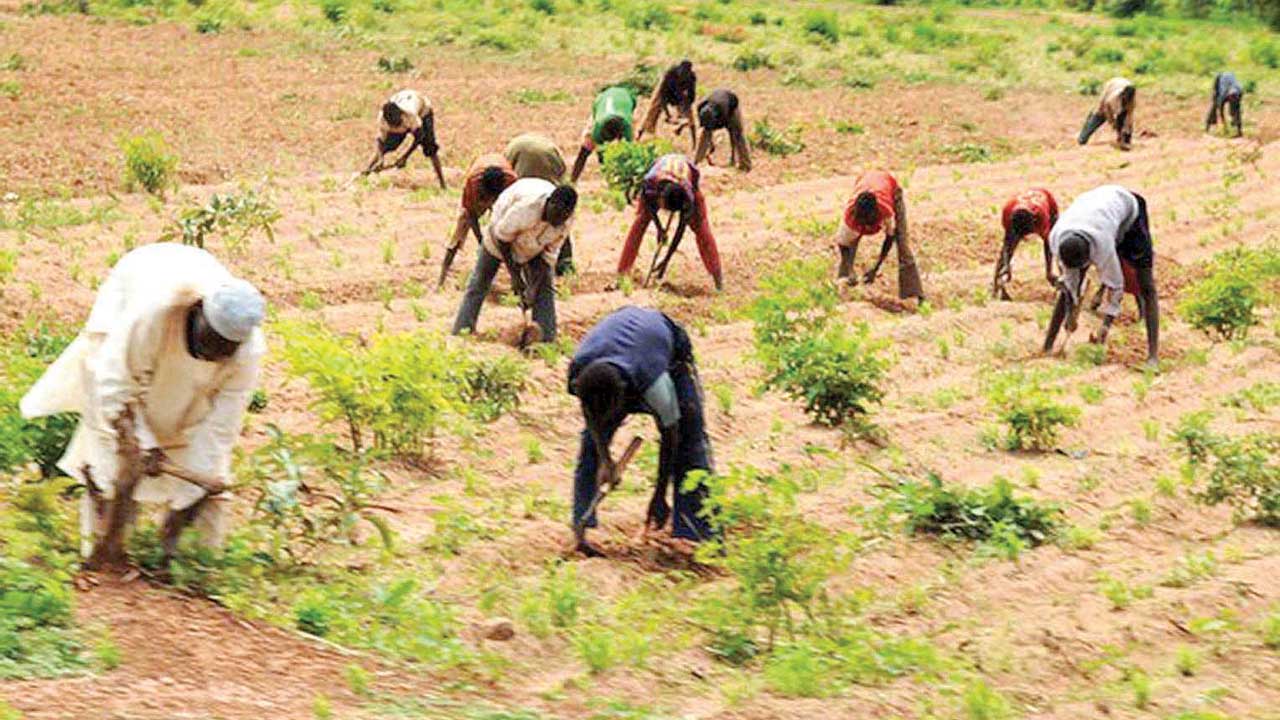

The World Bank has approved a $500 million credit facility for Nigeria through the International Development Association (IDA) to support the Nigeria Sustainable Agricultural Value-Chains for Growth (AGROW) project. The initiative aims to increase productivity among smallholder farmers, strengthen agricultural value chains, and create jobs across the country.
In a statement, the Bank highlighted that agriculture remains Nigeria’s largest source of employment, yet low productivity, limited access to quality inputs, climate shocks, and weak market linkages have restricted its potential to generate sustainable jobs and affordable food. Millions of Nigerians continue to face food and nutrition insecurity, while many farmers remain trapped in subsistence farming.
The AGROW project will provide support to agribusinesses that source from smallholder farmers through a results-based matching grant scheme. Focus areas include aggregation, post-harvest handling, agro-processing, and market access for key crops such as rice, maize, cassava, and soybeans.
The initiative will also strengthen agricultural research and extension services, expand access to climate-resilient seeds, and establish a national digital farm and farmer registry. Farmers will benefit from digital advisory services, including localized weather and climate information to boost productivity and resilience.
Further measures include improving seed and fertilizer regulatory systems, increasing early-generation seed supply, and promoting private sector involvement in the production of high-quality inputs. AGROW will also encourage responsible land-based investments and implement monitoring mechanisms to ensure accountability and inclusion, especially for women and youth.
Mathew Verghis, World Bank Country Director for Nigeria, described the project as a “transformative step” for the country’s agriculture sector. “AGROW empowers smallholder farmers, unlocks private sector-led growth, and strengthens food security sustainably,” Verghis said. “It is expected to benefit up to one million farmers, mobilize significant private investment, and improve yields across targeted crops, while enhancing resilience to climate shocks.”
The six-year project, set to run from 2026 to 2032, is also expected to attract an additional $220 million in private agribusiness investment.