
The Independent National Electoral Commission (INEC) has suspended recognition of all leadership factions of the African Democratic Congress (ADC) following a ruling by the Court of Appeal and ongoing litigation over the party’s leadership.
In a statement issued by its spokesperson, Mohammed Haruna, the commission said it acted in line with a court directive ordering both factions to maintain the status quo pending the determination of a substantive suit before the Federal High Court in Abuja. INEC added that it would no longer engage with either faction after receiving conflicting communications from both sides, each seeking official recognition.
The decision comes at a critical moment for the ADC, which has recently emerged as a major opposition platform ahead of the 2027 general elections, following the adoption of the party by a coalition led by Atiku Abubakar. Other prominent figures now associated with the party include Peter Obi and Rabiu Musa Kwankwaso, all of whom were leading contenders in the 2023 presidential election won by Bola Ahmed Tinubu.
The leadership crisis within the ADC followed the resignation of the party’s former executives led by Ralph Nwosu and the emergence of a new National Working Committee headed by former Senate President David Mark in July 2025. However, Nafiu Bala, a former vice-national chairperson, challenged the arrangement in court, insisting he should assume leadership in line with the party’s constitution.
Tensions escalated after INEC received separate letters from both camps in March, with the Mark-led faction urging the commission not to recognise Bala due to the pending case, while Bala’s group asked INEC to enforce a Court of Appeal judgment delivered earlier that month.
The appellate court, in its ruling, directed all parties, including INEC, to maintain the “status quo ante bellum” and avoid actions that could prejudice the case or render the court proceedings ineffective. It also ordered an accelerated hearing, given the proximity of the election timetable.
Citing the judgment, INEC said it would refrain from taking any action that could influence the outcome of the case. The commission announced the removal of the names of the party’s National Working Committee led by Mark from its official portal and declined requests from Bala’s camp to recognise him as acting national chairman. It further stated that it would not monitor or recognise any meetings, congresses, or conventions organised by any faction until the court delivers a final judgment.
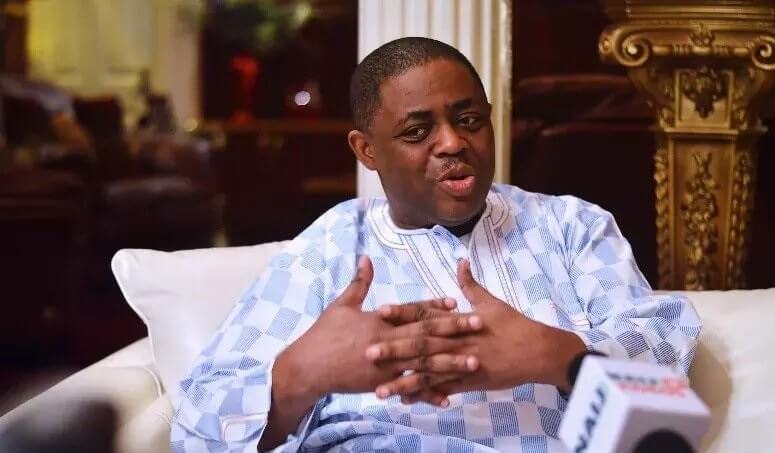
The development has triggered political reactions, including from Femi Fani-Kayode, a chieftain of the All Progressives Congress (APC), who criticised the opposition party and described the situation as a major setback to its ambitions. He argued that the ADC’s internal crisis and lack of a recognised leadership structure could weaken its chances ahead of the 2027 elections.
Despite the turmoil, the ADC said interest in the party remains strong, claiming that over 40,000 Nigerians have joined its ranks since the announcement of INEC’s decision. The unfolding legal battle continues to cast uncertainty over the party’s structure and its role in shaping Nigeria’s opposition politics ahead of the next electoral cycle.