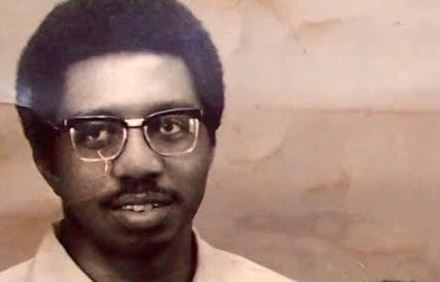

The daughter of late Nigerian Army officer, Lt. Col. Victor Adebukunola Banjo, has shared a deeply personal account of how her family received news of his execution during the Nigerian Civil War.
Professor Olayinka Omigbodun, speaking on the State of Affairs podcast hosted by Edmund Obilo, recounted the emotional moment her family first learnt that her father had been killed following orders issued during the conflict.
Lt. Col. Banjo, a Sandhurst-trained officer who later joined the Biafran side during the 1967 secession, was executed after being accused of treason alongside other officers during the war.
Omigbodun said the family was living in Kenema, Sierra Leone, when they received a letter informing them of her father’s fate, though details at the time were still unclear and unconfirmed.
According to her, the message came through a relative who wrote to her mother, prompting a painful family discussion about what had happened to their father.
She described how her mother gathered the children and gently broke the news, using words of faith to explain that their father had passed away, even while uncertainty still lingered around the exact circumstances.
Omigbodun also reflected on her father’s personality, describing him as a generous and disciplined man who ensured the family was well provided for and discouraged her mother from working while he was alive.
Despite his provision, she said her mother was left to shoulder the responsibility of raising four children alone after his death, a period marked by emotional distress and sleepless nights.
Lt. Col. Banjo played a controversial role during the war, including his involvement in the Midwest invasion before falling out with Biafran leadership. He was later convicted by a military tribunal and executed on September 22, 1967.
The account adds a deeply human dimension to one of the most sensitive episodes in Nigeria’s civil war history, highlighting the long-lasting personal impact of the conflict on families.