
Atiku Signals Final Presidential Bid in 2027, Vows to Step Aside for Peter Obi or Any ADC Winner
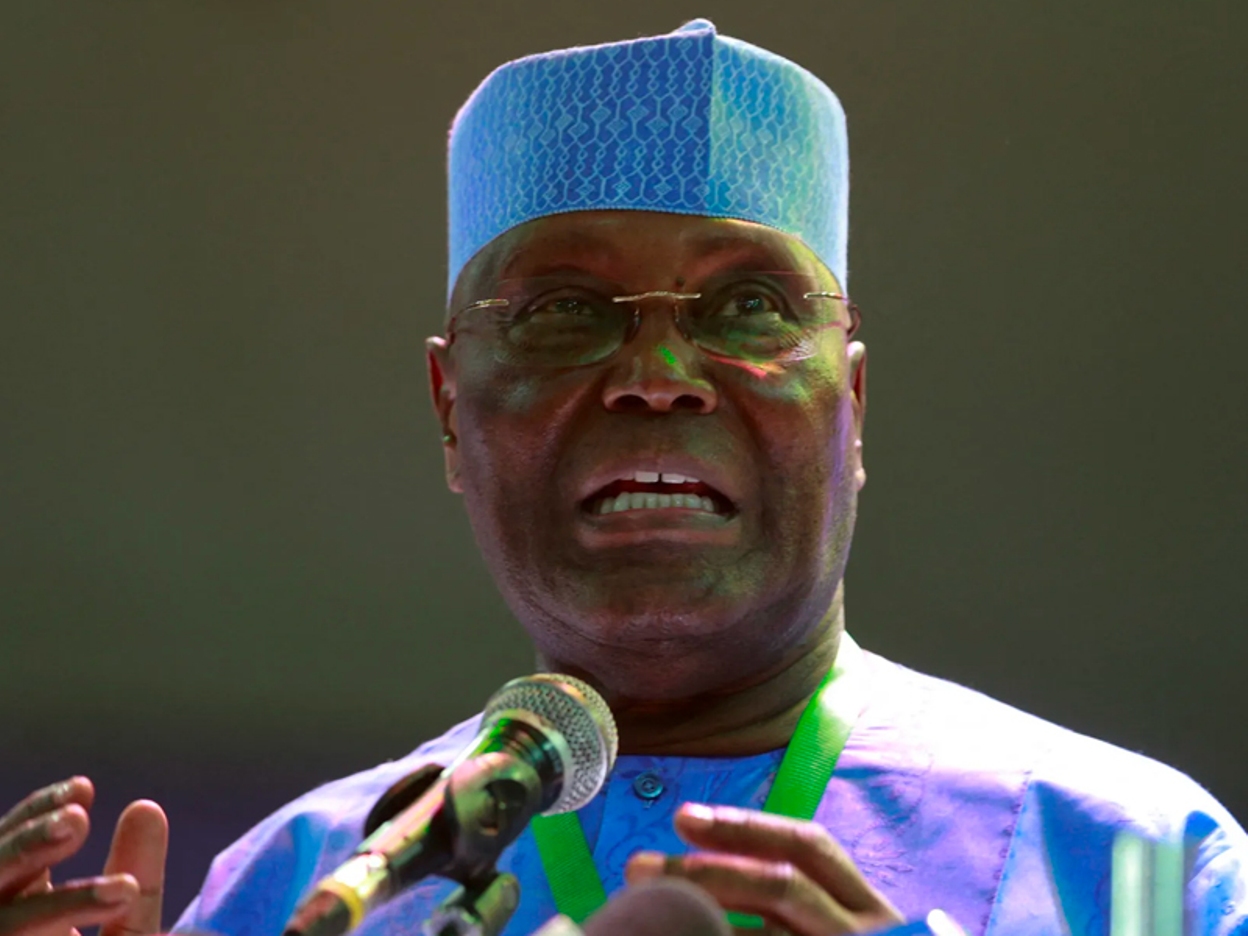
Nigeria’s long-standing presidential contender Atiku Abubakar has indicated that the 2027 election could mark the end of his decades-long pursuit of the nation’s top office, citing age and the high stakes of the race.
Speaking during a live television interview, the former vice president acknowledged that turning 80 before the next general election is a significant factor shaping his decision. He described the anticipated contest as his “last outing,” hinting at a political finale after years of repeated bids for the presidency.
Atiku’s comments arrive at a time of shifting alliances within Nigeria’s opposition, particularly around the African Democratic Congress (ADC), where he is widely believed to be positioning himself ahead of 2027. The evolving coalition has sparked speculation about who will eventually emerge as the party’s flagbearer.
In a notable show of flexibility, Atiku pledged to respect the outcome of a transparent primary process, even if it favours a rival such as Peter Obi. He made it clear that he would step aside for any candidate who wins fairly, reinforcing what he described as a commitment to democratic principles.
He dismissed suggestions that stepping down for another contender would be difficult, arguing that leadership should emerge either through consensus or a credible electoral process. The former vice president stressed that internal party democracy must take precedence over personal ambition.
Beyond the question of candidacy, Atiku used the moment to assert his continued political relevance, particularly in Northern Nigeria—a region widely regarded as decisive in national elections. He claimed that no current or emerging political figure from the region commands a voter base comparable to his.
He also downplayed the influence of other northern heavyweights, including Rabiu Kwankwaso, suggesting that their support remains limited in scope. According to Atiku, even Kwankwaso’s traditional stronghold in Kano is now divided, weakening his overall political reach.
The remarks add another chapter to Atiku’s extensive political journey, which spans more than three decades. From stepping aside during the historic 1993 Nigerian presidential election to multiple presidential bids under different party platforms, his career has been defined by persistence and shifting political alignments.
Despite previous defeats to figures such as Muhammadu Buhari and Bola Tinubu, Atiku has remained a central figure in Nigeria’s opposition politics. His latest declaration suggests that 2027 may represent both a final attempt and a defining moment in his political legacy.