
2027: Peter Obi Says No Rival Can Match His Plan for Northern Nigeria, Pitches Agriculture-Led Vision
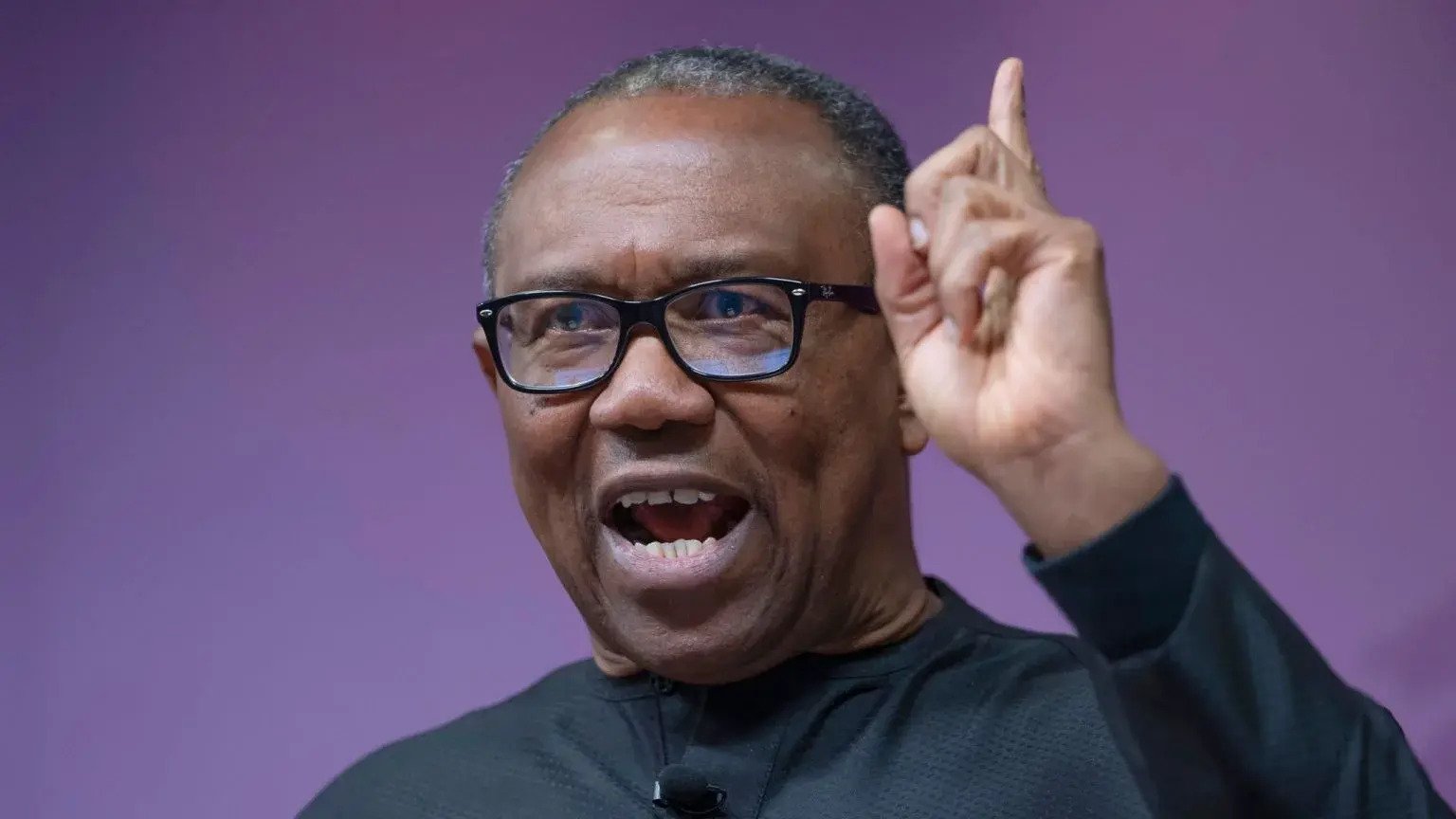
Former Anambra State governor and 2027 presidential hopeful, Peter Obi, has declared that his development blueprint for Northern Nigeria is unmatched by any other contender in the race.
Obi made the claim during a televised interview on Arise TV on Monday, where he focused heavily on the region’s economic potential and its role in Nigeria’s broader development agenda.
He argued that the North remains Nigeria’s most underdeveloped yet most valuable economic asset, insisting that targeted investment could transform it into a stronger revenue base than oil.
According to him, any serious national recovery plan must begin with agriculture, improved security, and sustained investment in education and healthcare across the region.
“Nobody can do what I intend to do in the North. We will change the North. Our greatest asset as a country is in the North. We can make more money from agriculture than we make from oil,” Obi said.
He stressed that development in the region should not depend on political endorsements from a few influential figures, but on policies that directly address poverty and insecurity affecting ordinary citizens.
Obi also dismissed suggestions that his political fortunes in the North hinge on backing from major power brokers, including figures such as Nasir El-Rufai and Rabiu Musa Kwankwaso, noting that while collaboration is welcome, national progress cannot be determined by individuals.
“I will work with them so they can support the process, but Nigeria is bigger than individuals,” he said.
The Labour Party presidential candidate further highlighted insecurity as the biggest barrier to development, warning that no meaningful economic progress can be achieved without restoring stability across affected regions.
He added that his policy direction is informed by development models he has studied in other countries, which he believes can be adapted to Nigeria’s realities.
Obi also called for stronger democratic engagement, urging the federal government to avoid undermining opposition voices and instead create an environment that supports accountability and healthy political competition.
“The government should protect the opposition. In fact, they should make opposition stronger and make it work,” he said.
His comments come as political activity intensifies ahead of the 2027 general elections, with major contenders positioning themselves across key voting blocs nationwide.