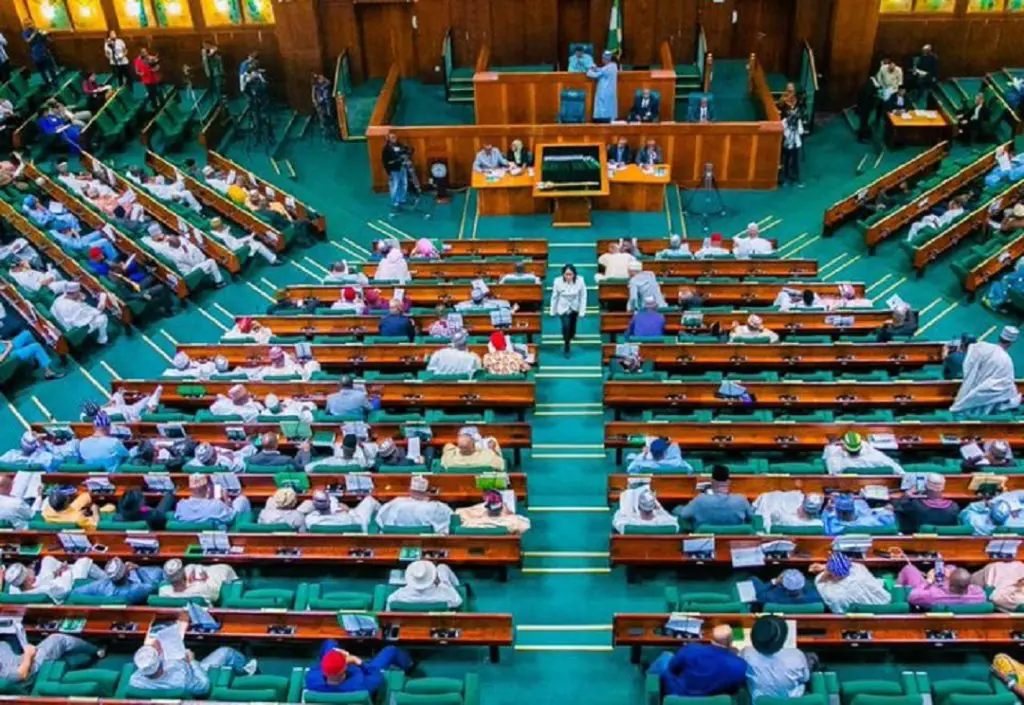

Nigeria’s House of Representatives has introduced a controversial amendment to the 2026 Electoral Act proposing a N10 million fine or up to two years imprisonment for individuals registered as members of more than one political party. The amendment has triggered debate among lawmakers, political analysts, and opposition figures over its constitutionality and implications for democratic freedoms ahead of the 2027 elections.
The amendment, sponsored by House Leader Julius Ihonvbere, adds three new clauses to Section 77 of the Electoral Act, which governs political party membership. It states that anyone knowingly holding membership in more than one party shall have their dual membership voided and could face a fine of N10 million, two years imprisonment, or both.
The proposal immediately divided opinion in the legislature. Jonathan Gaza, Chairman of the House Committee on Solid Minerals, supported the measure, saying registering with multiple parties is “mischievous.” Conversely, Abubakar Fulata, Chairman of the House Committee on University Education, argued it conflicts with Section 40 of the 1999 Constitution, which guarantees freedom of association.
Deputy Speaker Benjamin Kalu, presiding over the plenary, described dual membership as “fraudulent misrepresentation” and said individuals should align with parties reflecting their ideologies rather than joining multiple groups.
Opposition parties have condemned the amendment as unconstitutional. Prince Adewole Adebayo, SDP leader and 2023 presidential candidate, called the bill a threat to democratic freedoms, saying citizens retain the right to freely associate with political organizations. He accused lawmakers of using the legislation to shield the ruling All Progressives Congress (APC) under President Bola Tinubu from internal instability.
Public affairs analyst and lawyer Maarcellus Onah also criticized the amendment, arguing it aims to prevent defections from the ruling party amid economic hardship, worsening security, and declining public confidence. He described the National Assembly as failing to hold the executive accountable.
The amendment has intensified debates over whether the proposed restrictions violate fundamental constitutional rights and whether they serve partisan interests ahead of Nigeria’s 2027 general elections.