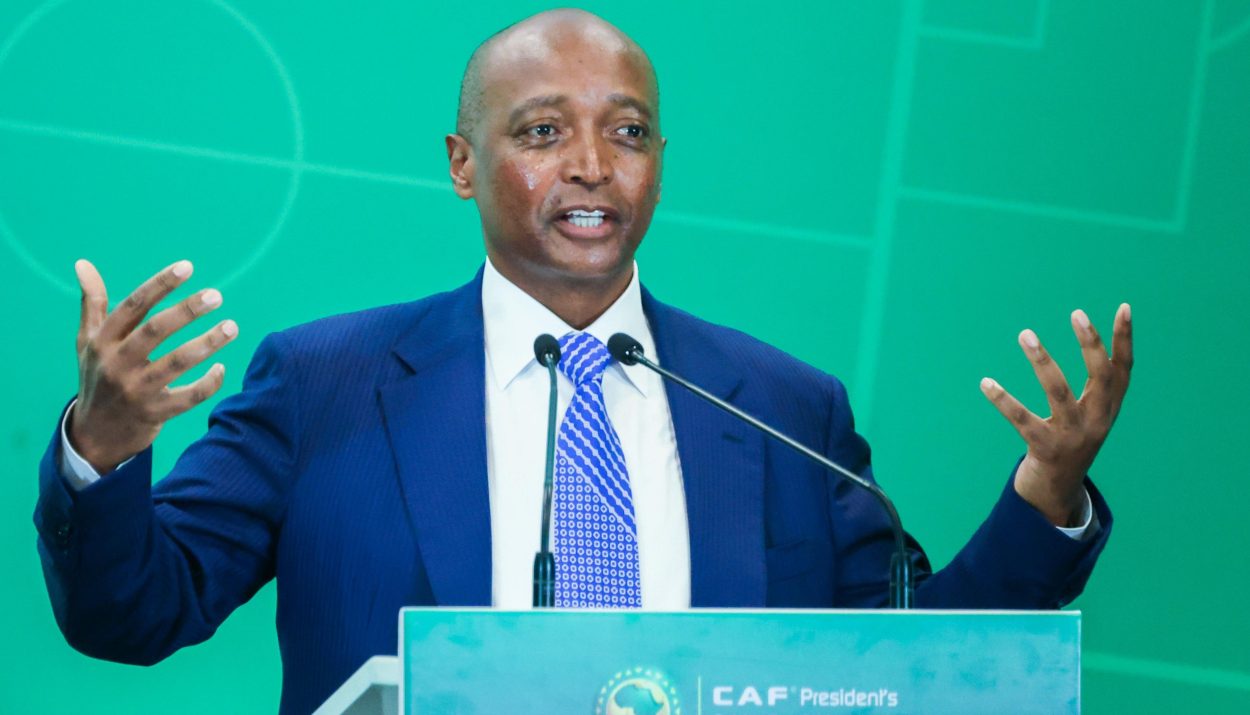

The President of the Confederation of African Football, Patrice Motsepe, has said Senegal is free to challenge the decision stripping it of the 2025 Africa Cup of Nations (AFCON) title, stressing that no country will receive preferential treatment.
The controversy erupted after Confederation of African Football overturned the result of the AFCON 2025 final, awarding a 3–0 victory to Morocco following a successful appeal by the Royal Moroccan Football Federation.
Senegal had originally secured a 1–0 win on January 18 through an extra-time goal. However, the match descended into chaos when Senegalese players staged a 15-minute walk-off in protest against a late penalty awarded to Morocco.
Citing Article 82 of its regulations, CAF ruled that the protest amounted to a forfeiture, leading to a reversal of the result and stripping Senegal of the title.
Speaking in a video interview, Motsepe confirmed that Senegal is preparing to appeal the decision and emphasised that all 54 CAF member nations have the right to seek redress, including at Court of Arbitration for Sport.
“And I’m told that Senegal is going to appeal, which is very important. Every one of the 54 nations in Africa has a right to pursue their appeals and advance their interests… and we will adhere to and respect the decision that’s taken at the highest level,” he said.
Motsepe acknowledged that the fallout from the disputed final has damaged confidence in African football, describing it as part of a longstanding challenge tied to trust, officiating, and governance.
“The important thing of what happened in that final match is it undermines the good work that CAF has done over many years to ensure integrity, respect, ethics, governance, as well as credibility of results,” he said.
He added that issues of suspicion and distrust remain a “legacy challenge” within African football, particularly around the independence of referees and match officials.
The CAF president also noted that the incident has renewed scrutiny on the independence of the organisation’s judicial bodies. He said CAF has taken steps to improve transparency by involving member associations and regional zones in appointing members of its disciplinary and appeals committees.
Despite the controversy, Motsepe reiterated CAF’s commitment to fairness and equal treatment across all member nations.
“A critical factor is that not a single country in Africa will be treated in a manner that is more preferential or more advantageous than any other country on the African continent,” he said.