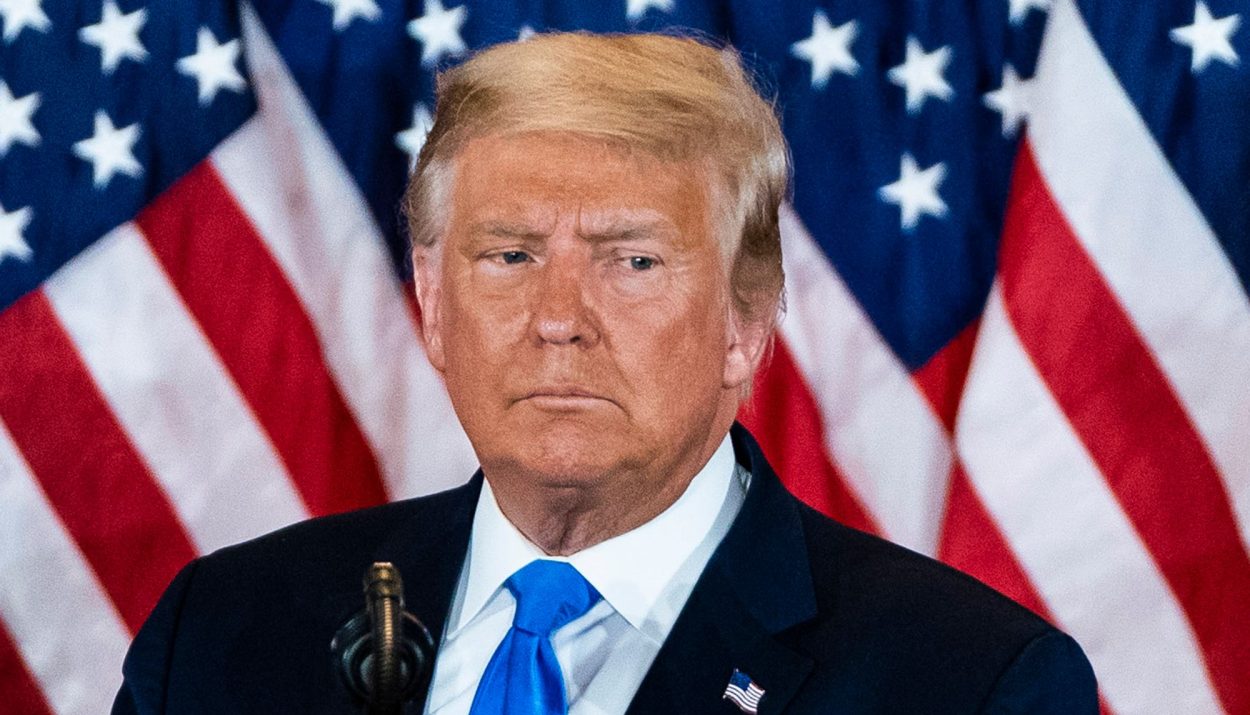

United States President Donald Trump has attributed Nigeria’s inclusion on the US travel restriction list to the ongoing operations of Boko Haram, the Islamic State, and other terrorist groups in the country. The move was announced in a recent proclamation citing security concerns and visa overstay rates.
Trump noted that “radical Islamic terrorist groups such as Boko Haram and the Islamic State operate freely in certain parts of Nigeria,” underlining the threat posed by extremist cells. The statement suggested that terrorism, rather than visa overstays, was the primary reason for Nigeria’s listing.
While Nigeria’s visa overstay rates—5.56% for B-1/B-2 visas and 11.90% for F, M, and J visas—remain relatively low compared to other countries on the list, the security threat appears decisive. Neighboring countries such as Angola, Benin, and Malawi recorded higher overstay rates but were also assessed under different criteria.
The designation follows a series of high-profile incidents, including violent attacks on Christian communities in Nigeria. Trump previously tagged Nigeria as a Country of Particular Concern under the International Religious Freedom Act, highlighting severe violations of religious freedoms.
The US administration has also signaled readiness to support counter-terrorism operations. In November, a US congressional delegation led by Congressman Riley Moore conducted a fact-finding mission, describing the situation as “heartbreaking” and calling for a strategic security framework to tackle Boko Haram, ISIS, and extremist Fulani groups.
Trump’s comments echo recent US initiatives, including discussions at the United Nations on religious violence in Nigeria. The administration has drawn international attention to the plight of Christians and other vulnerable communities, with public figures such as Nicki Minaj participating in solidarity campaigns.
The latest proclamation reflects Washington’s growing concern over Nigeria’s security challenges, emphasizing both domestic and international efforts to curb terrorism and protect human rights in the West African nation.