
Political Violence, Campaign Attacks Raise Fears Ahead of Nigeria’s 2027 Elections
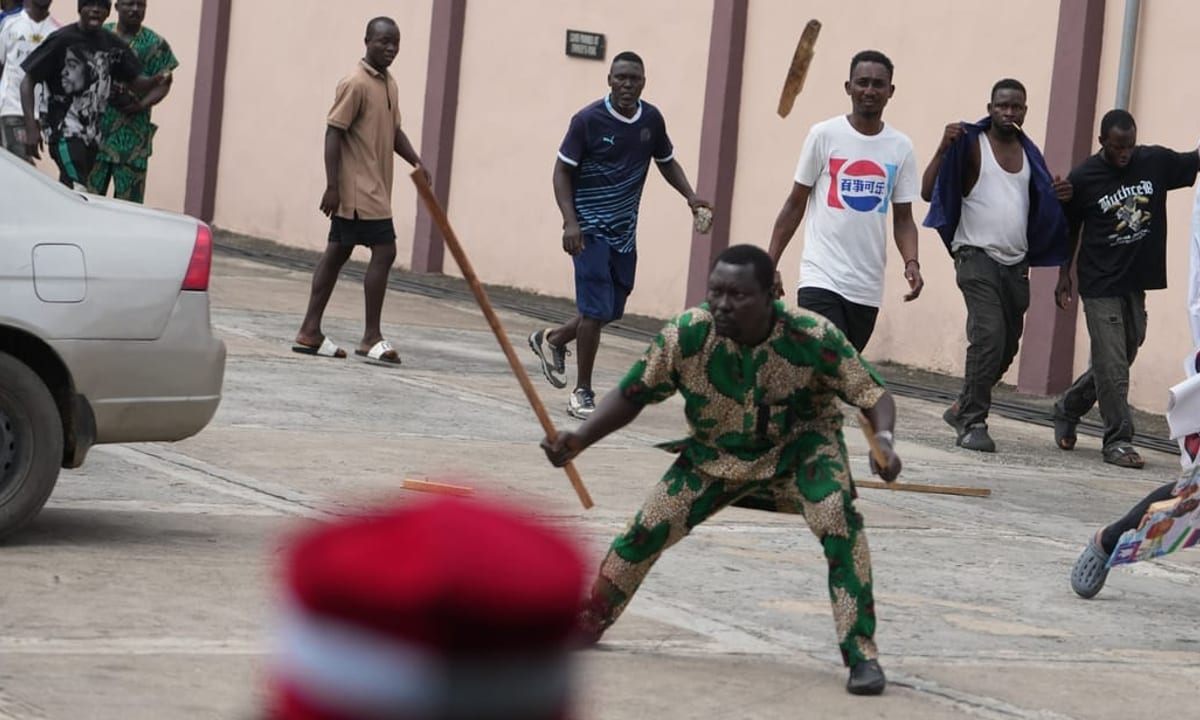
Rising cases of political violence, attacks on campaign teams and the destruction of political materials across Nigeria are raising concerns about the safety of political participation ahead of the 2027 general elections.
Recent incidents in Niger, Kano, the Federal Capital Territory and Anambra have brought renewed attention to the conduct of political supporters, the response of security agencies and the responsibility of political parties to prevent violence.
In Niger State, police announced the arrest of seven suspected political thugs following two separate incidents in Minna. Six suspects were arrested at the Trade Fair Complex, Shango, on November 12, with cutlasses, knives and other weapons reportedly recovered. Another suspect, identified as Anasho, was arrested around Tunga the following day over an alleged attack on a campaign team and damage to vehicles and campaign materials. Police spokesperson SP Wasiu Abiodun said the suspects were investigated and charged to court. Opposition parties have also alleged that their billboards and campaign materials were removed or destroyed, while the APC has complained about vandalism of its own materials.
In Kano State, eight suspects were arrested after a clash between APC and NDC supporters in Bichi Local Government Area on November 15. The incident reportedly left five people injured and 13 vehicles vandalised. The NDC described it as an attack on the convoy of its vice-presidential candidate, Rabiu Musa Kwankwaso, and governorship candidate Aminu Abdussalam Gwarzo. However, the state government disputed the claim that the convoy was deliberately targeted. Police said investigations were continuing to identify those responsible and any alleged sponsors.
In the Federal Capital Territory, police arrested 78 suspects following an incident involving President Bola Tinubu’s motorcade after Jumu’ah prayers in Abuja’s Garki area on November 13. The police said stones and other dangerous objects were thrown at the departing convoy, damaging vehicles and injuring security operatives. Other accounts said some worshippers booed the President and criticised his administration over insecurity. On November 16, police announced that Tinubu had directed the suspects’ release through what the command described as presidential clemency. The police did not announce any convictions.
Anambra State also witnessed controversy over the removal of a billboard belonging to Senator Victor Umeh, which carried the image of Peter Obi, the NDC presidential candidate. The state government said the presidential campaign image had not attracted the required separate signage fee, while the Coalition of South East Youth Leaders claimed Umeh had paid the stipulated N20 million senatorial campaign fee and obtained the necessary permit. The disagreement has raised questions about the enforcement of campaign signage regulations.
The National Peace Committee, chaired by former Head of State General Abdulsalami Abubakar, recorded 109 breaches of the National Peace Accord across 26 states and the FCT between August 19 and October 27, 2026. Its report identified 33 incidents of political violence and thuggery, 29 cases of misinformation and disinformation, 19 attacks on political activities and campaign assets, and 15 incidents involving intimidation and threats. The committee said 57 of the recorded breaches did not involve physical attacks.
The Senate, on November 17, condemned political violence and called on the police to investigate reported attacks, identify those responsible and prosecute suspects where evidence supports charges. Meanwhile, the Socio-Economic Rights and Accountability Project urged INEC to take stronger action against political violence and intimidation, including using its powers under Section 83 of the Electoral Act 2026 to demand explanations from political parties over reported violations.
Political analyst Bernard Mark warned that rising hostility among supporters could undermine the credibility of the 2027 elections. He argued that arresting people found at the scene would not be enough if those who organise, finance or sponsor attacks are not identified and held accountable. He also warned that fear of violence could discourage voters from attending political gatherings and participating in the electoral process.
With the 2027 elections approaching, the challenge for political parties, security agencies and electoral authorities is to ensure that candidates and supporters can campaign without intimidation or violence. Beyond announcing arrests, investigations must establish responsibility and ensure that anyone found guilty faces the consequences provided by law.