
Fashola Challenges Atiku to Provide Figures for Proposed Petrol Subsidy Return
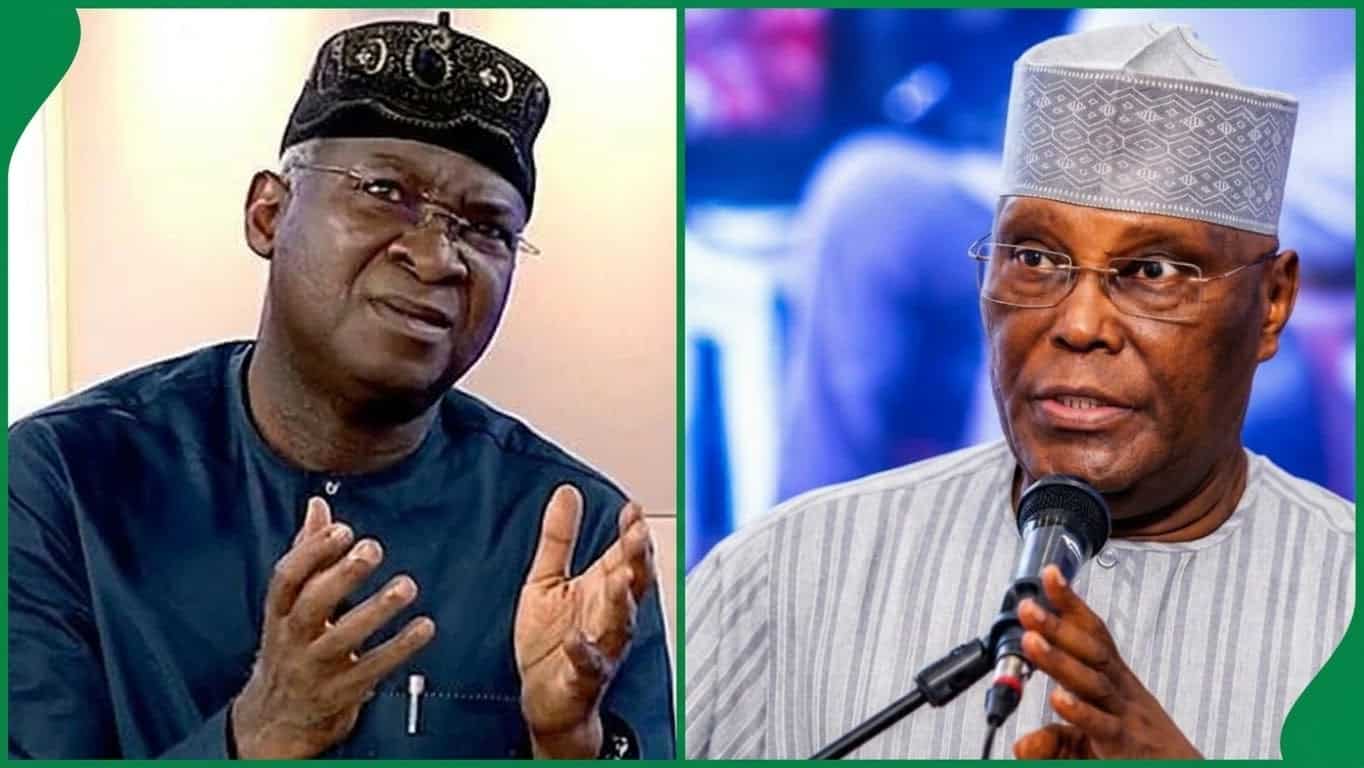
Former Lagos State Governor Babatunde Fashola has challenged former Vice-President Atiku Abubakar to provide detailed figures and an implementation plan for his proposal to restore petrol subsidy if elected president in 2027.
Atiku, the presidential candidate of the African Democratic Congress (ADC), said in August that he would reinstate petrol subsidy if elected, arguing that the savings from its removal had not been properly managed.
Fashola, who served as Minister of Power under former President Muhammadu Buhari, spoke on Tuesday during an interview on Channels Television’s Politics Today.
He recalled that major presidential candidates in the last election had promised to remove fuel subsidy, questioning why some politicians were now advocating a return to the policy.
“For credibility’s sake, all major candidates, at least as at the last election, promised to remove this fuel subsidy. So what has changed?” he asked.
Fashola argued that politicians proposing a different approach should explain the reasons for their change of position and provide details of how they intend to sustain the arrangement.
He questioned the source of funding for a restored subsidy, warning that the policy could reduce revenue available to state governments and affect their ability to meet financial obligations.
“I was in a government that was paying subsidy. And the states were not getting money. So we are going to go back to partial, near-zero returns, states borrowing money to pay salaries. Is that where you want us to go?” he asked.
The former minister urged voters to examine the financial implications of the proposal, particularly its possible impact on state government revenue and public services.
Asked whether he considered Atiku’s proposal unrealistic, Fashola said he wanted to see supporting figures and a detailed explanation of how it would work.
“With the sketchy pronouncements that come with it, I want to see rigour, I want to see detail; I want to see numbers,” he said.
Fashola also questioned Atiku’s argument that increased domestic refining would encourage competition and reduce petrol prices. He asked how local refineries would obtain the crude oil needed to operate and whether Nigeria could supply enough crude for domestic consumption.
He noted that Nigeria’s crude oil production involves joint ventures and production-sharing contracts with international oil companies, meaning the country does not own all the oil produced.
According to Fashola, the assumption that crude could simply be made available to local refineries at cheaper rates overlooks the international benchmark pricing system governing crude oil transactions.
He further questioned whether Nigeria was producing enough crude to meet the demands of domestic refineries, pointing to the country’s challenges in optimising its production capacity.
Fashola attributed the production difficulties to legacy issues, insecurity and vandalism in oil-producing areas.
“If we have refineries working, what is our current oil production quota? Are we optimising it yet? No, because there are legacy issues; there are challenges with security, vandalism, and so on and so forth, so where is this magic crude oil going to come from?” he asked.
He maintained that Atiku needed to provide evidence and practical details to support the proposed policy.
“Let people choose. But without proof, it’s like abracadabra,” Fashola said.