
Simbarashe Kundizeza Denies AI Use After Winning Caine Prize for African Writing
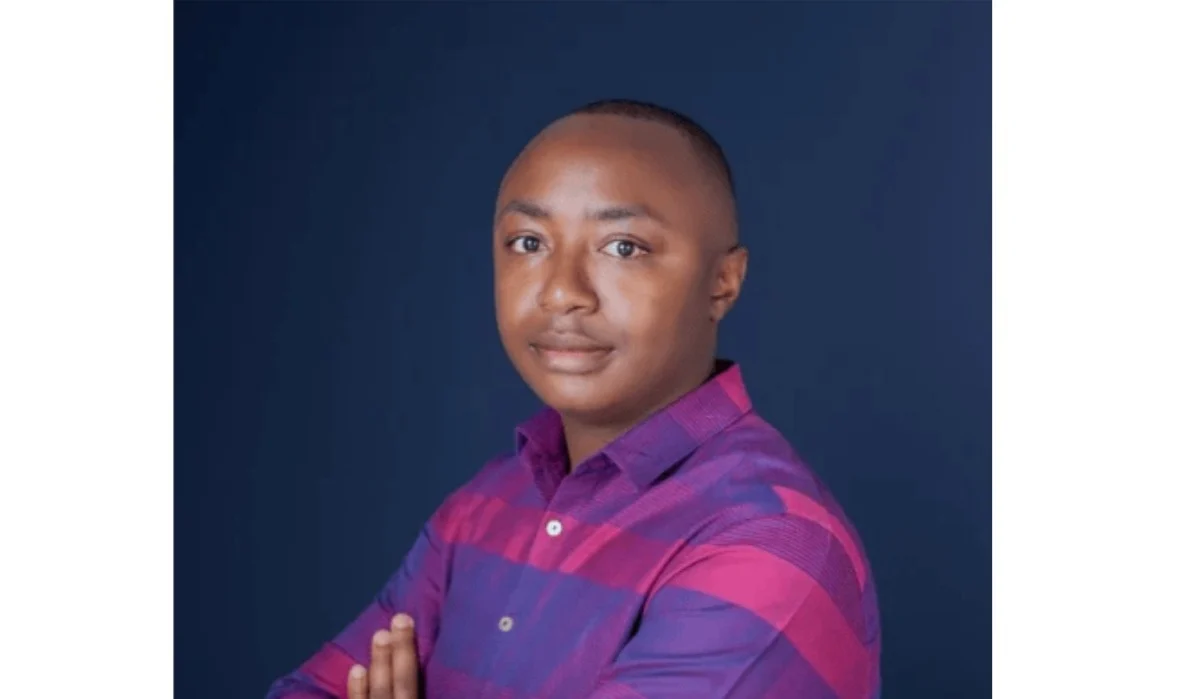
Zimbabwean writer Simbarashe Kundizeza has denied using artificial intelligence to write his award-winning short story, The Blue Fighter, following allegations that the work was generated entirely by AI. The controversy emerged a week after he won the £10,000 Caine Prize for African Writing, sparking debate about the reliability of AI-detection tools and their impact on writers.
The allegations followed an article in The Atlantic by Vauhini Vara, which reported that AI-detection software Pangram had classified Kundizeza’s story as entirely AI-generated. In response, the writer issued a statement on X, declaring: “For the avoidance of doubt, I wrote The Blue Fighter.” He also said he had a documented history of the story’s inspiration and development.
Caine Prize chair Ellah Wakatama criticised the timing of the publication, saying the magazine should have allowed more time for a thorough investigation before publishing its findings. She confirmed that the prize organisers were conducting an internal review and that Kundizeza would provide documentation of his drafts. Discussions were also ongoing with the judges and The Shallow Tales Review, which first published the story in 2025.
Wakatama said the prize’s submissions were not routinely checked for AI use because the stories had already been published and writers vouched for the originality of their work. While she was open to the use of AI tools as part of an assessment process, she objected to treating their findings as conclusive. She also warned against using writers’ work, particularly that of Black writers, as a testing ground for detection technology she described as still insufficiently developed.
The controversy has drawn criticism from African writers and publishing figures, some of whom questioned whether Black and African authors face disproportionate scrutiny. Nigerian publisher Wale Lawal described The Atlantic article as “crazy, racist and wildly unethical”, while Zimbabwean writer Joe Ruzvidzo expressed support for Kundizeza and called for resistance to what he termed a “literary stop-and-frisk”. Nigerian publisher Modupe Daramola also raised concerns about the targeting of Black and African writers.
Vara defended her reporting, arguing that her concerns about AI detection were supported by Pangram’s internal research. She said she had also examined Kundizeza’s earlier work, including a 2021 story that the software classified as human-written. Vara said the differences in tone and style between the two stories raised questions for her. She also pointed to repeated sentence patterns and metaphors in The Blue Fighter that she believed were common in AI-generated writing. However, she acknowledged that AI-detection products, including Pangram, were not completely accurate.
Kundizeza has explained that The Blue Fighter drew inspiration from a poem by South African poet Vangile Gantsho, which he heard at an event in Ghana. The poem concerned her father’s fascination with building fish tanks. He said he combined that inspiration with fictionalised elements of his own experiences around the period when Zimbabwe’s economic difficulties began in 2002. He also challenged the suggestion that a writer could not develop significantly or write in different styles over several years.
The dispute comes amid other controversies involving literary awards and allegations of AI use, including cases connected to the Commonwealth Short Story Prize and France’s Prix Goncourt. Research has also raised concerns about false positives from AI-detection systems, while a study cited in The Atlantic article recommended treating such tools as an initial signal for further investigation rather than definitive proof. Kundizeza, meanwhile, thanked writers and readers who had expressed solidarity with him and said he would continue writing as the Caine Prize investigation proceeds.