
Alleged Coup Plot: Army Colonel Ma’aji Says Patriotism, Hardship Drove Plan Against Tinubu Government
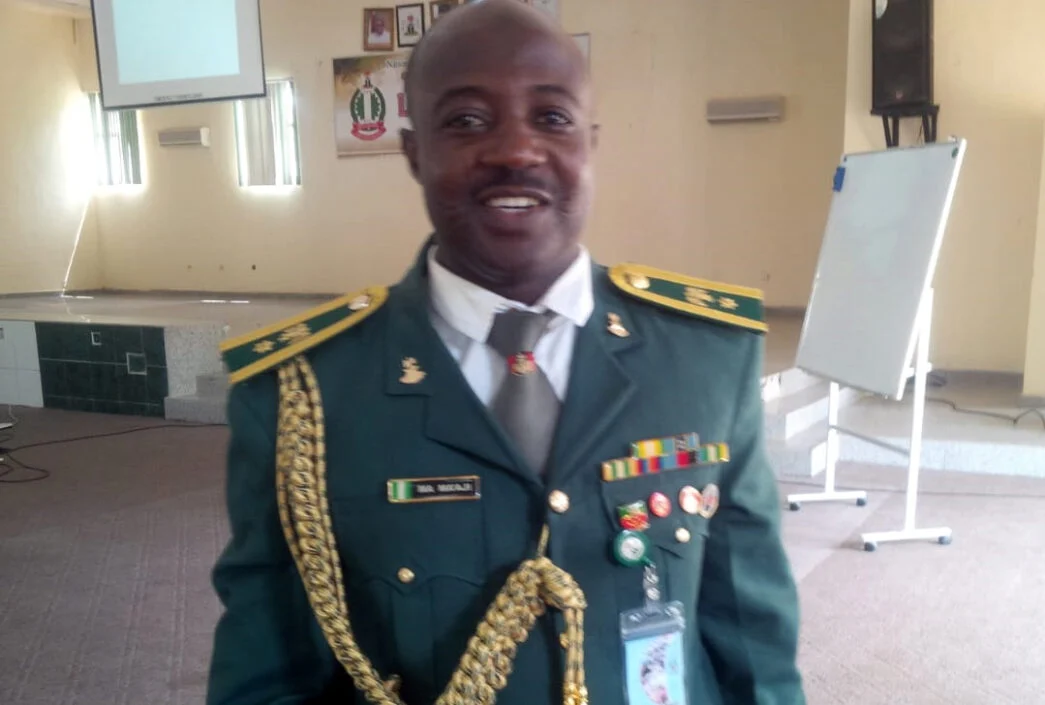
Army Colonel Mohammed Ma’aji, accused of being involved in an alleged plot to overthrow President Bola Tinubu’s government, has said his actions were driven by concerns about Nigeria’s worsening economic and security conditions rather than personal ambition.
Ma’aji said his frustrations grew from what he described as poor governance, declining living standards and the welfare challenges facing Nigerian soldiers and their families. He told investigators that he believed the country was heading towards a dangerous point and that he wanted to help change its direction.
The colonel also pointed to his personal struggles, saying his salary had made it difficult to raise his five children. He argued that the economic pressures facing ordinary Nigerians were also affecting military families and limiting their ability to provide quality education and basic needs.
Ma’aji said he was particularly troubled by the condition of military personnel injured during operations. He alleged that some wounded soldiers receiving treatment at the 44 Nigerian Army Reference Hospital in Kaduna were not getting adequate care, describing their situation as part of wider welfare problems within the armed forces.
He said the alleged plan was still at the mobilisation stage when he was arrested, insisting that no specific date had been fixed for the operation. According to him, the group intended to recruit officers who shared their concerns, but it had not been fully formed and further meetings were still expected to take place.
Ma’aji also claimed that he personally financed much of the alleged operation, while former minister Timipre Sylva contributed about N400 million. He denied foreign involvement and said he had not contacted some senior military officers, while citing dissatisfaction within the military and unsuccessful promotion attempts as factors that influenced his decision.
The officer called for better channels through which military personnel can raise concerns with the Chief of Army Staff, Waidi Shaibu, without fear of punishment. He also advocated improved salaries, welfare and pension packages, better education opportunities and stronger measures against corruption in both government and the armed forces.
Ma’aji appealed for leniency, saying his arrest and subsequent interactions with the investigative panel had changed his perspective. He maintained that the alleged plan was not intended to destabilise Nigeria, but said he now recognised that his approach was wrong and asked authorities to give the accused officers an opportunity to reform.
The alleged coup plot was uncovered in late September 2025 and led to the cancellation of Nigeria’s October 1 Independence Day parade and changes in the military leadership, including the removal of Christopher Musa as Chief of Army Staff.