
President Bola Ahmed Tinubu has approved a fresh salary increase of up to 80 per cent for members of the Nigerian Armed Forces, marking the second military pay review within a month as his administration intensifies efforts to tackle the country’s growing security challenges.
The new salary structure, which takes effect in September 2026, will see junior military personnel receive the largest increase. Privates, who previously earned about $36 (approximately ₦55,000) monthly before a July adjustment to $73, are now expected to receive about $132 under the latest approval.
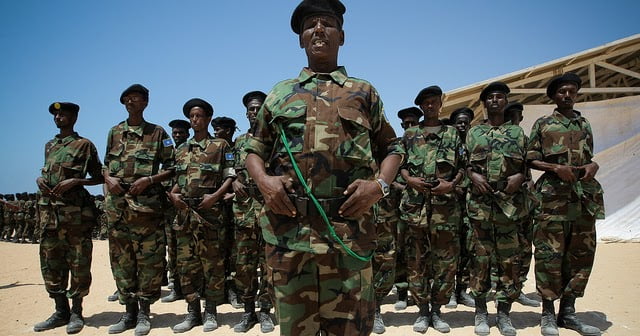
The Federal Government described the increase as a show of appreciation for the sacrifices of military personnel engaged in the fight against terrorism, banditry, kidnapping and other security threats across the country.
Announcing the decision, President Tinubu praised the commitment of officers and soldiers serving on the front lines.
“The men and women who help to keep us safe in our homes must be supported and appreciated in the course of their duties to our nation. I urge our servicemen to take our gesture as a sign of our deep appreciation of the services they render to our fatherland. Together we shall prevail over the enemies intent on destroying the fabric of our nation,” the President said.
Under the new salary structure, personnel from the rank of Private to Staff Sergeant will receive an 80 per cent increase, while Warrant Officers to Colonels will benefit from a 50 per cent raise. Officers from the rank of Brigadier General to General will receive a 30 per cent increase.
The salary review comes shortly after Tinubu approved the recruitment of 28,000 additional soldiers and the establishment of four new Army divisions, part of broader reforms aimed at strengthening Nigeria’s security architecture ahead of the 2027 general elections.
Despite increased military spending over the years, Nigeria continues to battle multiple security threats, including insurgency in the North-East, armed banditry across the North-West and North-Central, separatist violence in the South-East and recurring clashes between farmers and herders in several parts of the country.
Retired Major General Bashir Galma welcomed the salary increase, describing it as a long-awaited intervention. However, he cautioned that sustaining the higher wage bill could become challenging for future administrations. He also called for similar welfare improvements for other security agencies and urged the government to invest more in military equipment, including modern rifles, uniforms and operational logistics.
With the latest approval, Nigeria’s annual military wage bill is expected to rise significantly as the government combines improved welfare with ongoing investments in personnel recruitment, weapons acquisition and the expansion of the Armed Forces to improve response to security threats nationwide.