
Global Oil Prices Jump as Brent Crude Hits $86.79 Following US-Iran Tensions
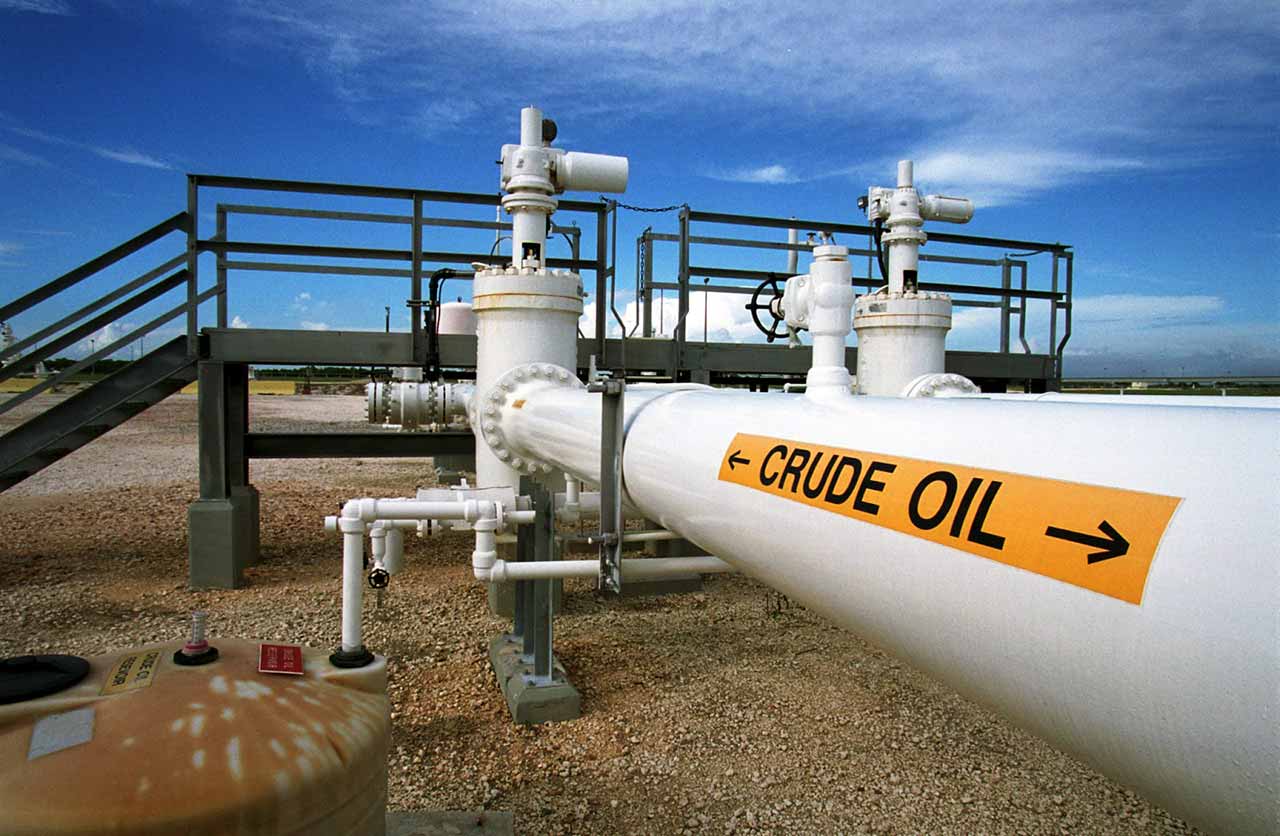
Fresh tensions in the Middle East have sent global oil prices sharply higher, with Brent crude climbing to its highest level in over a month amid renewed fears of supply disruptions through the Strait of Hormuz.
Brent crude gained 4.19 percent on Tuesday to trade at $86.79 per barrel, its highest level since June 12. Meanwhile, the US benchmark, West Texas Intermediate (WTI), rose by 3.16 percent to $80.61 per barrel, reflecting growing uncertainty in the global energy market.
The latest surge follows the United States’ decision to reimpose a naval blockade on Iran, while renewed hostilities between Washington and Tehran have raised fresh concerns over the movement of crude oil through the strategically important Strait of Hormuz.
The situation escalated on July 12 when Iran announced the closure of the Strait of Hormuz after its naval forces fired a cruise missile at a vessel it claimed was using an unauthorised shipping route. The waterway is one of the world’s busiest oil transit corridors, making any disruption a major concern for global energy markets.
Just a month earlier, crude oil prices had eased to around $82 per barrel after the United States, Israel and Iran reached an agreement aimed at ending hostilities across the Middle East, including Lebanon. The deal also led to the reopening of the Strait of Hormuz, easing fears of supply interruptions and pushing oil prices lower.
The earlier drop in crude prices sparked criticism from Nigeria’s Federal Competition and Consumer Protection Commission (FCCPC), which accused petroleum marketers of failing to reflect the decline in international oil prices in domestic pump prices. The commission argued that the reductions announced by marketers did not match the significant fall in global crude prices.
Responding to the concerns, Minister of Finance and Coordinating Minister of the Economy, Taiwo Oyedele, disclosed that the Federal Government had begun discussions with petroleum marketers and regulators to ensure future changes in international crude prices are more transparently reflected in fuel prices paid by Nigerians.
As part of those efforts, the Federal Government convened a meeting with key stakeholders in the oil and gas sector on July 10 to discuss fair and transparent pricing of petroleum products nationwide. With global oil prices rising again, attention is now shifting to whether the latest increase will trigger another adjustment in fuel prices.