
Zamfara Governor Dauda Lawal Reveals He Rejected ₦300 Million Ransom for Kidnapped Brothers, Backs State Police
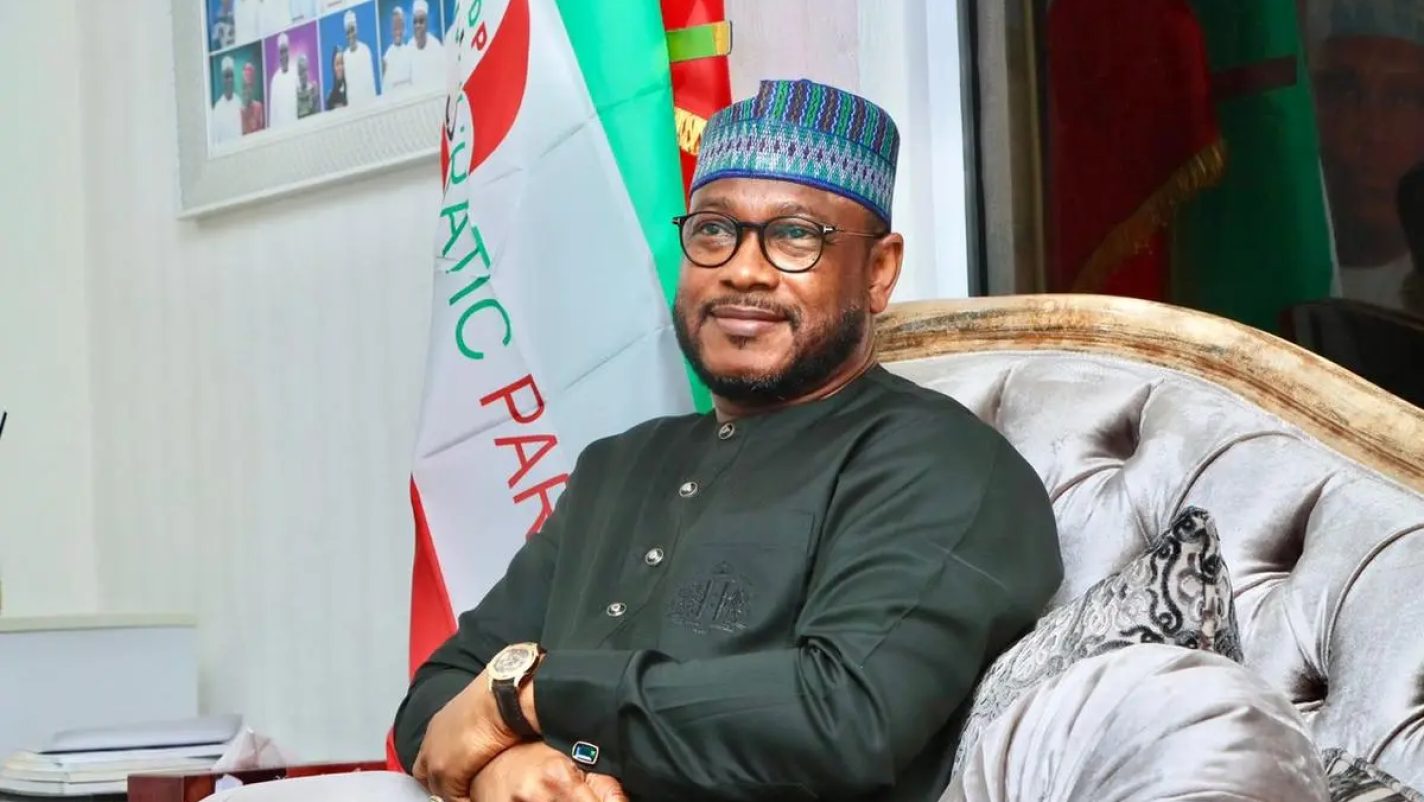
Zamfara State Governor Dauda Lawal has disclosed that he refused to pay a ₦300 million ransom demanded by bandits who abducted his brothers in 2019, insisting that giving in to kidnappers only fuels more criminal activity.
The governor made the revelation on Thursday during the ARISE TV National Town Hall Meeting in Abuja, where political leaders, security experts and lawmakers debated the proposed creation of state police under the theme, “Building National Consensus for State Police and Security.”
Lawal said he has remained consistent in his opposition to ransom payments, arguing that negotiating with criminals from a position of weakness only encourages further kidnappings. Recalling the abduction of his brothers seven years ago, he said the kidnappers demanded ₦300 million, but he refused to pay.
“My own brothers were kidnapped in 2019, and these criminals demanded about ₦300 million. I said I was not going to pay a dime. If you like, go and kill them,” the governor stated, adding that kidnappers would think twice before targeting victims if ransom payments stopped.
The governor also renewed his support for the establishment of state police, saying governors are unfairly described as chief security officers despite having no operational control over security agencies in their states. According to him, state police would make governors directly accountable for protecting lives and property while improving security coordination at the grassroots.
Lawal dismissed concerns that governors could misuse state police for political purposes, arguing that no governance system is completely immune from abuse. He pointed to Zamfara’s Community Protection Guard (CPG), established in 2023, saying the outfit has been deployed solely to combat insecurity rather than intimidate political opponents.
The town hall attracted several top government officials and security stakeholders, many of whom endorsed state policing while calling for strong legal safeguards. Deputy Speaker of the House of Representatives, Benjamin Kalu, said public consultations showed widespread support for decentralising policing, adding that constitutional amendments under consideration include measures to prevent abuse by state governments.
Senate Leader Opeyemi Bamidele stressed that funding would determine the success of state police, warning that poorly financed security institutions could become vulnerable to political and private influence. Former Chief of Defence Staff, General Lucky Irabor (Rtd.), also urged the government to establish uniform training standards, recruitment procedures and oversight mechanisms to ensure professionalism across all states.
Former Edo State Governor Adams Oshiomhole backed the proposal, describing it as contradictory for governors to bear responsibility for security without having authority over the police. Anambra State Governor Charles Soludo, who joined virtually, argued that state police should form part of broader constitutional reforms, including fiscal restructuring and the establishment of state appellate and supreme courts.
Kogi Central Senator Natasha Akpoti-Uduaghan also supported the initiative but warned that strong constitutional safeguards must be built into the system to prevent state police from becoming tools for political intimidation. She emphasised that adequate funding, accountability and operational independence would be essential for the success of the proposed policing structure.